

 プレビュー
プレビュー
 プリントを購入
 シェアする
シェアする シェアする
シェアする
 詳細を見る
詳細を見る

 ダウンロード
 似ている作品
 X線調査
X線調査 スライドショー
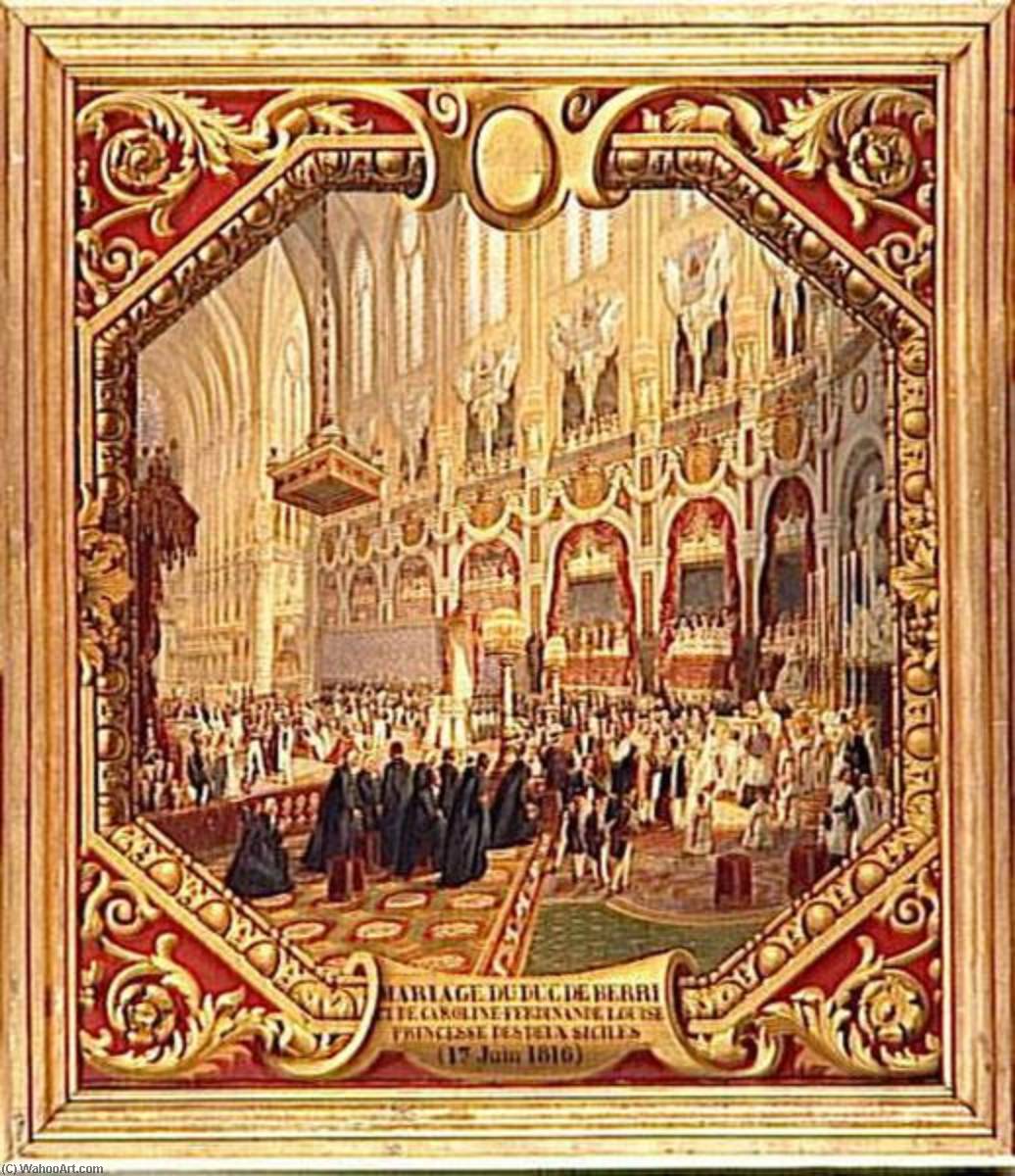
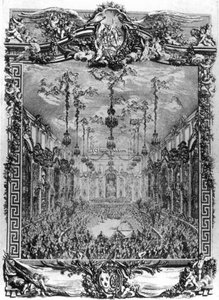
MARIAGE DU DUC DE BERRY ET DE CAROLINE, PRINCESSE DES DEUX SICILES.17 JUIN 1816

 詳細を見る
詳細を見る
オンラインプレビューをはるかに凌ぐ、高解像度で鮮明なデジタル画像をご購入いただけます。
各ファイルは、社内の専門家が高度なツールと熟練した手作業によるレタッチを用いて、細心の注意を払って準備されています。すべての画像において、卓越した鮮明度、正確な色彩再現性、そして繊細なディテールを保証いたします。
最終ファイルは、プロフェッショナルな編集・印刷環境ですぐにご利用いただけるよう最適化された状態で、72時間以内にメールにてお届けいたします。これは、一流のデザインスタジオ、出版社、ギャラリーから信頼されているものと同等の品質です。
デジタル画像のご注文に付随する特典
高品質なデジタル画像配信を、確かな品質で。
ArtsDot.com を選ぶことは、単に画像を手に入れることではありません。それは、プロの手によって精密に仕上げられ、満足保証が付いた高品質なデジタルアートワークを受け取ることを意味します。ご注文いただいた際に自動的に付随する内容は、以下の通りです:

メールですぐにお届け
ご注文から72時間以内に、高解像度のデジタル画像ファイルがメールでお手元に届きます。すぐにそのままご利用いただけます。

AI技術で最適化されたデジタルファイル
お客様の作品は、高度なAIツールと専門家による手作業の編集を組み合わせてプロフェッショナルに最適化されており、細部のディテール、鮮明さ、そして正確な色再現性を最大限に引き出しています。

一生涯無料の再送サービス
ファイルを誤って削除したり、紛失してしまったりしましたか?ご安心ください。いつでも無料で再送いたします。

輸入手数料は一切かかりません
関税や手数料、配送料を気にすることなく、お気に入りのアートワークをすぐにお楽しみいただけます。デジタルダウンロードは常に免税です。

色彩再現の保証
プロ仕様のツールとカラーマネジメント技術を用いることで、デジタル画像が元の色を最大限に忠実に再現することを保証いたします。

60日間満足保証
ご購入いただいたデジタル画像にご満足いただけない場合は、60日以内であれば、修正または100%の返金(理由を問う必要はありません)をさせていただきます。

100% 返金保証
ご満足いただけない場合は、デジタルファイルを受け取ってから60日以内であれば、理由を問わず全額返金いたします。

まとめ買い割引
3枚購入で10%OFF - 5枚購入で15%OFF - 10枚以上購入で20%OFF。クリエイティブなプロジェクト、ギャラリー、エージェンシーに最適です。
関連作品
作家の略歴
The Romantic Vision of Charles-Caïus Renoux
In the heart of nineteenth-century Paris, a period defined by both revolutionary upheaval and a profound longing for the past, Charles-Caïus Renoux emerged as a master of historical memory. Born in 1795, Renoux did not merely paint scenes; he resurrected eras. His artistic journey was deeply intertwined with the Romantic movement, a period that sought to find beauty in the melancholic decay of antiquity and the dramatic tension of human history. While much of his early life remains shrouded in the quiet shadows of history, his training at the prestigious École Royale Supimeure des Beaux-Arts provided him with the technical foundation necessary to translate grand historical narratives onto canvas with both precision and passion.
Renoux’s early career was marked by a poignant fascination with the architectural remnants of France. He found profound inspiration in the ruins of cloisters and monasteries—structures that had been ravaged during the French Revolution. Through his brush, these broken stones and hollowed arches were imbued with a spiritual weight, capturing the Troubadour style that would become his hallmark. His ability to render the solemn beauty of ruined churches allowed him to tap into a collective national nostalgia, making him a vital voice in an era obsessed with reclaiming its medieval heritage.
Mastery of Light and the Diorama
The technical brilliance of Renoux lay in his sophisticated use of atmospheric lighting and a muted, evocative palette. He possessed a rare ability to manipulate light to suggest the passage of time or the weight of a historical moment. This mastery was not limited to traditional oil painting; Renoux was also a skilled lithographer and illustrator, talents that allowed him to explore different textures and scales of storytelling. His work often balanced meticulous architectural detail with an emotional intensity that prioritized the "feeling" of a scene over mere photographic realism.
As his career progressed, Renoux pushed the boundaries of visual storytelling by venturing into the creation of spectacular dioramas. These large-scale, immersive works were essentially the "moving pictures" of his age, offering audiences a theatrical experience that blended painting with light and shadow to create an illusion of depth and motion. This transition from static canvas to dynamic spectacle demonstrated his evolution from a painter of ruins to a creator of entire worlds. His work in this medium was uniquely prepared by his earlier experiences painting large-scale battle scenes and landscapes, which taught him the complexities of compositional grandeur.
Legacy and Artistic Influence
The influence of Renoux can be traced through the lineage of French Romanticism, drawing strength from the expressive brushwork of Eugène Delacroix and the naturalistic sensibilities of Théodore Rousseau. He was a bridge between the classical traditions of the past and the burgeoning theatricality of the nineteenth century. His role as an educator at the École des Beaux-Arts further cemented his legacy, as he passed his technical expertise to notable students such as Narcisse Berable and Hector Hanoteau.
Renoux’s contributions to art can be summarized through several key pillars of his career:
- Historical Preservation: His paintings served as visual chronicles of medieval architecture, preserving the memory of structures lost to revolution.
- The Troubadour Aesthetic: He perfected a style that blended historical accuracy with romanticized, emotional narratives.
- Innovation in Media: Through his dioramas, he pioneered immersive, multi-sensory art forms that predated modern cinematic techniques.
- Educational Impact: As a professor, he helped shape the next generation of French painters, ensuring the continuity of classical and romantic techniques.
Though his life was relatively short, ending in 1846, Charles-Caïus Renoux left behind a body of work that continues to haunt and inspire. His ability to find life within ruins and drama within the stillness of a cloister ensures that his name remains etched in the annals of French art history, reminding us that even in decay, there is an enduring, magnificent beauty.
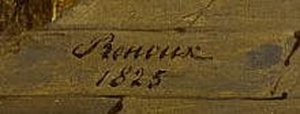
renoux charles caius
1795 - 1846
プロフィール概要
- Artistic Movement Or Style: Romantic Troubadour Style
- Artists Who Influenced This Artist:
- Eugène Delacroix
- Caspar David Friedrich
- Date Of Birth: 1795
- Date Of Death: 1846
- Full Name: Charles Caius Renoux
- Nationality: French
- Notable Artworks:
- Siege de Luxembourg
- Mariage du Duc de Berry et de Caroline
- Traité conclu entre les Croises et les Venitiens dans l’Église de Saint Marc
- Place Of Birth: Paris, France

