

 プレビュー
プレビュー
 プリントを購入
 シェアする
シェアする シェアする
シェアする
 詳細を見る
詳細を見る

 ダウンロード
 似ている作品
 X線調査
X線調査 スライドショー
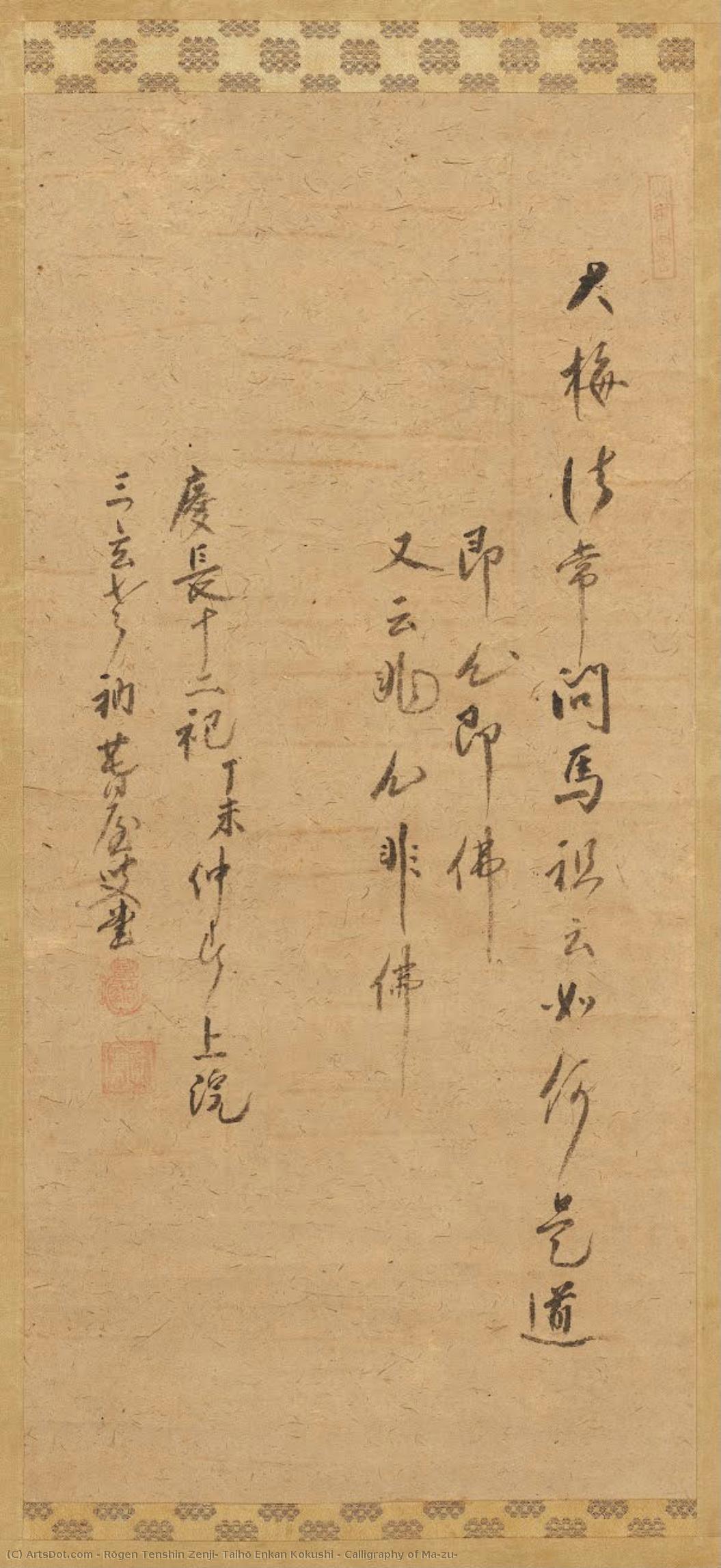
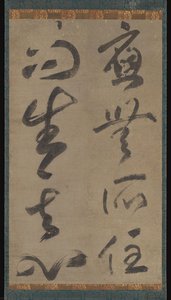
Calligraphy of Ma-zu


 詳細を見る
詳細を見る




































作品のオリジナル比率に合わせた、当店の規定サイズからお選びください。

特定のフレームやスペースに合わせて、ご希望のサイズをご入力いただけます。選択されたサイズが元の画像の比率と異なる場合、アートワークをトリミングするか、手描きで要素を追加して絵画を拡張いたします。デジタルモックアップ を制作し、制作開始前にご確認(承認)をいただきます。
画面上のプレビューは、実際のトリミングや拡張を正確に反映しているものではありません。最終的な構図は、モックアップによってのみ正確にご確認いただけます。
カスタムサイズもご利用いただけますが、元の比率を維持するためには、あらかじめ用意されたリストからサイズを選択することをお勧めいたします。
ご注文後、ArtsDot.com チームより詳細な指示をお送りするとともに、仕上がりイメージ(モックアップ)をご提供いたします。


 ガラスオプションは、110cm未満のサイズでのみご利用いただけます。

Calligraphy of Ma-zu
複製技法
複製画のサイズ
-


合計金額
$ 263
関連作品
アーティストの略歴
Rōgen Tenshin Zenji, Taihō Enkan Kokushi: A Legacy of Brush and Tea
Rōgen Tenshin Zenji, also known as Shunoku Soen, emerged from the heart of Yamashiro Province in Japan during a pivotal era – 1529. His life unfolded against a backdrop of burgeoning cultural shifts, marked by both political upheaval and an intense re-evaluation of artistic traditions. Initially trained as a monk at a young age, he embarked on a path deeply intertwined with Zen Buddhism and the evolving world of Japanese tea ceremony. His journey wasn’t merely one of religious devotion; it was a profound immersion into the aesthetics and philosophies that would define his enduring legacy. He ultimately became the 111th head priest of Daitoku-ji Temple in 1569, a position of immense responsibility and influence within the Rinzai Zen school. This elevation solidified his standing as a respected master, culminating in the prestigious titles of Zen Master Rōgen Tenshin bestowed upon him by Emperor Ōgimachi in 1586, and then the highest national honor, Taihō Enkan Kokushi, awarded by Emperor Go-Yōzei in 1600 – a testament to his profound contributions to Japanese culture.The Tea Master’s Circle: A Network of Influence
Rōgen Tenshin Zenji's life was inextricably linked with the vibrant world of tea ceremony, and he cultivated an extraordinary network of relationships with some of Japan’s most influential figures in this domain. He wasn’t simply a participant; he actively shaped its evolution. His association with legendary tea masters like Sen no Rikyū, Furuta Oribe, Ueda Sōko, Kobori Enshū, Sen Dōan, Sen Sōtan, Yabunouchi Jōchi, and Imai Sōkyū represents a remarkable confluence of artistic minds. These encounters weren’t merely social; they were deeply collaborative, each master influencing the other's approach to *wabi-cha* – the aesthetic principles underpinning the tea ceremony. Rikyū, in particular, is considered by many as the most influential figure in shaping the formalization of the tea ceremony, and Tenshin’s close relationship with him undoubtedly played a significant role in this process. His influence extended beyond individual interactions; he fostered an environment where innovative ideas and techniques could flourish, contributing to the refinement and expansion of *wabi-cha* ideals.Calligraphy and Brushwork: A Reflection of Zen
Beyond his role as a tea master, Rōgen Tenshin Zenji was a highly accomplished calligrapher. His work is characterized by a profound understanding of brush technique and an ability to imbue each stroke with meaning – reflecting the core tenets of Zen Buddhism. The piece “Calligraphy of Ma-zu,” created in 1607, exemplifies this perfectly. The serene ink wash scroll painting showcases masterful brushwork and embodies traditional Chinese aesthetics. The deliberate use of angular branches, reminiscent of a plum tree, speaks to themes of resilience and renewal – key concepts within Zen philosophy. The intensity of the brushstrokes, described as “martial precision,” suggests a connection between artistic expression and disciplined training, mirroring the samurai ethos that valued both skill and restraint. His calligraphy wasn’t merely decorative; it was a visual representation of his spiritual journey and a powerful embodiment of Zen principles.Historical Context: The Momoyama Period and Artistic Renaissance
Rōgen Tenshin Zenji's life unfolded during the Momoyama period (1568-1615), a time of remarkable artistic flourishing in Japan. This era, marked by the ambition of powerful warlords like Oda Nobunaga, Toyotomi Hideyoshi, and Tokugawa Ieyasu, witnessed an unprecedented investment in the arts. The warlords sought to impress visitors with lavish displays of wealth and power, commissioning elaborate castles and commissioning works of art that reflected their status and patronage. This period saw a synthesis of influences – incorporating elements from Chinese art while developing distinctly Japanese aesthetics. The influence of Western artistic concepts was also beginning to be felt, albeit cautiously. Rōgen Tenshin Zenji’s work reflects this complex interplay of tradition and innovation, embodying the spirit of a nation grappling with its identity and embracing new possibilities. As Robert Hughes noted in “Art: Japan's Renaissance,” the Momoyama period represented "a military creation" that simultaneously fostered austerity and refined taste.Legacy and Enduring Significance
Rōgen Tenshin Zenji died in 1611, leaving behind a profound legacy as both a Zen monk and a tea master. His influence on the development of Japanese aesthetics – particularly within the context of the tea ceremony – is undeniable. His association with figures like Sen no Rikyū cemented his place as a pivotal figure in shaping the formalization of *wabi-cha*. Furthermore, his calligraphy continues to be studied and admired for its technical mastery and spiritual depth. He stands as an icon of cultural refinement, embodying the harmonious blend of discipline, artistry, and philosophical insight that defined Japan’s Golden Age. His story serves as a reminder of how art can reflect and shape not only aesthetic values but also broader social and political landscapes.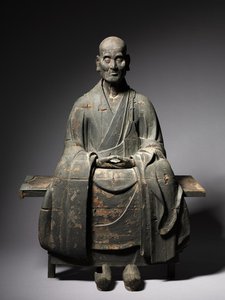
rōgen tenshin zenji, taihō enkan kokushi
1529 - 1611 , Japan
基本情報
- Artistic Movement Or Style: Rinzai Zen Buddhism, Tea Ceremony Arts
- Artists Or Movements Influenced By This Artist: ['Sen no Rikyū']
- Artists Who Influenced This Artist: ['Kaihō Yūshō']
- Date Of Birth: 1529, Yamashiro Province, Japan
- Date Of Death: 1611
- Full Name: rōgen tenshin zenji, taihō enkan kokushi
- Nationality: Japanese
- Notable Artworks:
- Calligraphy of Ma-zu
- Six Principles for the Composition of Poems
- Place Of Birth: Yamashiro Province, Japan
関連記事
Ephemeral Expressions: Exploring the Nuances of Ink on Paper Through History & Contemporary Art
Explore the captivating world of ink wash painting – from its ancient origins to contemporary masters. Discover techniques, symbolism & conservation insights with ArtsDot.com.
The Beauty of Ink Wash: Discover Serene & Soulful Art for Your Home
Discover the tranquil beauty of ink wash painting. Explore how Sumi-e and monochrome landscapes bring Zen-inspired serenity and soulful elegance to your home decor through expert curation and timeless East Asian aesthetics.
Xie Zhiliu: A Legacy of Ink Wash Painting & Modern Chinese Literati Tradition
Explore the legacy of Xie Zhiliu, a master of Chinese ink wash painting & prominent figure in modern art. Discover his techniques, influences, and contributions to literati tradition. A guide for discerning collectors.
Serenity on Canvas: A Guide to the Timeless Beauty of Japanese Landscape Painting
Discover the serene beauty of Japanese landscape painting. From Hokusai's iconic woodblock prints to meditative sumi-e ink washes, explore a visual journey through the 'floating world' and learn how to bring this timeless Zen aesthetic into your modern home decor.
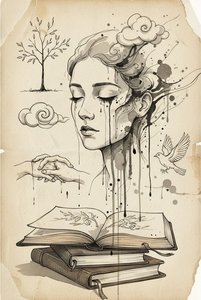
Ephemeral Lines: Exploring Emotional Resonance in Ink Sketching Traditions
Explore the profound art of ink sketching! Discover techniques to express emotion, master line work, and cultivate artistic sensitivity. Learn from historical masters & unlock your creative potential.

