

 プレビュー
プレビュー
 プリントを購入
 シェアする
シェアする シェアする
シェアする
 詳細を見る
詳細を見る

 ダウンロード
 似ている作品
 X線調査
X線調査 スライドショー
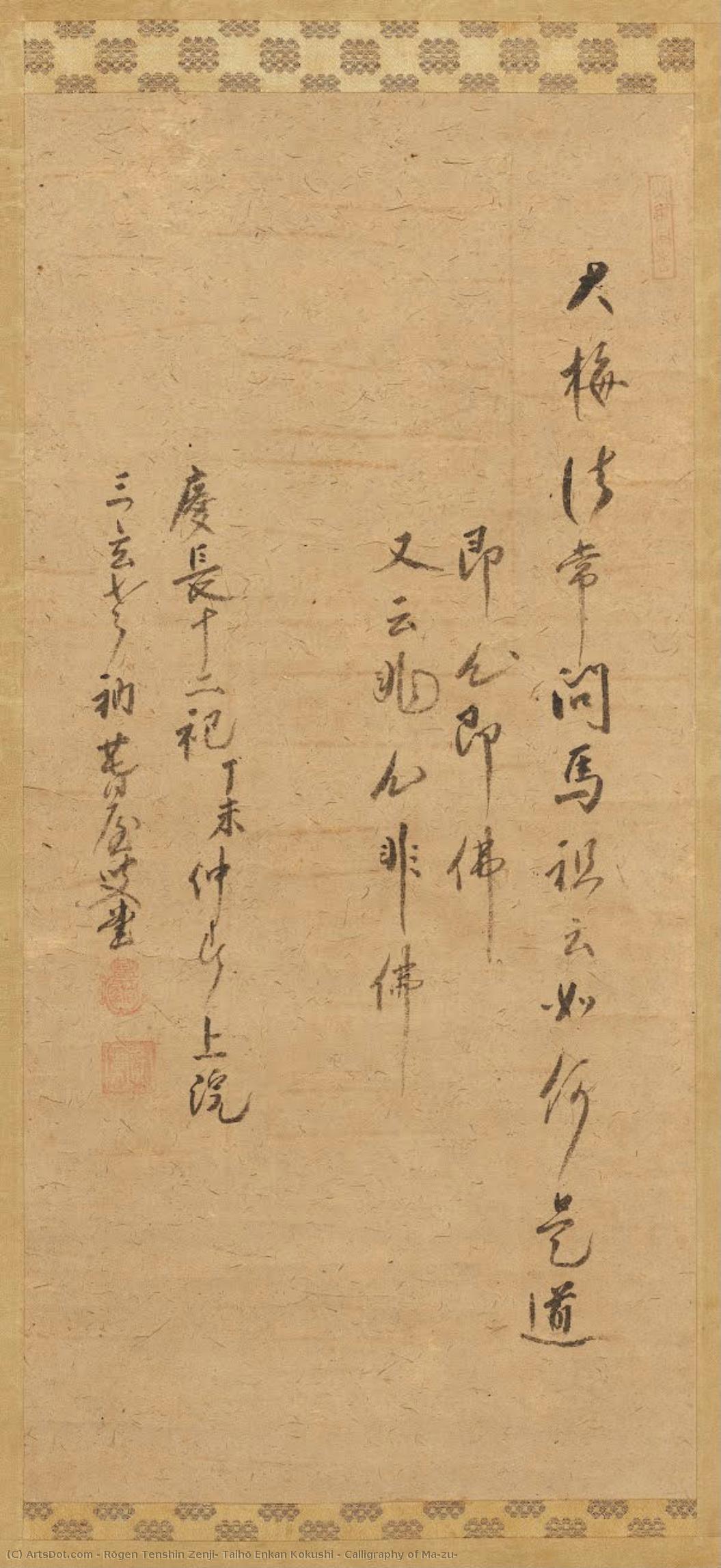
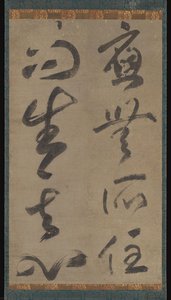
Calligraphy of Ma-zu


 詳細を見る
詳細を見る
オンラインプレビューをはるかに凌ぐ、高解像度で鮮明なデジタル画像をご購入いただけます。
各ファイルは、社内の専門家が高度なツールと熟練した手作業によるレタッチを用いて、細心の注意を払って準備されています。すべての画像において、卓越した鮮明度、正確な色彩再現性、そして繊細なディテールを保証いたします。
最終ファイルは、プロフェッショナルな編集・印刷環境ですぐにご利用いただけるよう最適化された状態で、72時間以内にメールにてお届けいたします。これは、一流のデザインスタジオ、出版社、ギャラリーから信頼されているものと同等の品質です。
デジタル画像のご注文に付随する特典
高品質なデジタル画像配信を、確かな品質で。
ArtsDot.com を選ぶことは、単に画像を手に入れることではありません。それは、プロの手によって精密に仕上げられ、満足保証が付いた高品質なデジタルアートワークを受け取ることを意味します。ご注文いただいた際に自動的に付随する内容は、以下の通りです:

メールですぐにお届け
ご注文から72時間以内に、高解像度のデジタル画像ファイルがメールでお手元に届きます。すぐにそのままご利用いただけます。

AI技術で最適化されたデジタルファイル
お客様の作品は、高度なAIツールと専門家による手作業の編集を組み合わせてプロフェッショナルに最適化されており、細部のディテール、鮮明さ、そして正確な色再現性を最大限に引き出しています。

一生涯無料の再送サービス
ファイルを誤って削除したり、紛失してしまったりしましたか?ご安心ください。いつでも無料で再送いたします。

輸入手数料は一切かかりません
関税や手数料、配送料を気にすることなく、お気に入りのアートワークをすぐにお楽しみいただけます。デジタルダウンロードは常に免税です。

色彩再現の保証
プロ仕様のツールとカラーマネジメント技術を用いることで、デジタル画像が元の色を最大限に忠実に再現することを保証いたします。

60日間満足保証
ご購入いただいたデジタル画像にご満足いただけない場合は、60日以内であれば、修正または100%の返金(理由を問う必要はありません)をさせていただきます。

100% 返金保証
ご満足いただけない場合は、デジタルファイルを受け取ってから60日以内であれば、理由を問わず全額返金いたします。

まとめ買い割引
3枚購入で10%OFF - 5枚購入で15%OFF - 10枚以上購入で20%OFF。クリエイティブなプロジェクト、ギャラリー、エージェンシーに最適です。
関連作品
作家の略歴
Rōgen Tenshin Zenji, Taihō Enkan Kokushi: A Legacy of Brush and Tea
Rōgen Tenshin Zenji, also known as Shunoku Soen, emerged from the heart of Yamashiro Province in Japan during a pivotal era – 1529. His life unfolded against a backdrop of burgeoning cultural shifts, marked by both political upheaval and an intense re-evaluation of artistic traditions. Initially trained as a monk at a young age, he embarked on a path deeply intertwined with Zen Buddhism and the evolving world of Japanese tea ceremony. His journey wasn’t merely one of religious devotion; it was a profound immersion into the aesthetics and philosophies that would define his enduring legacy. He ultimately became the 111th head priest of Daitoku-ji Temple in 1569, a position of immense responsibility and influence within the Rinzai Zen school. This elevation solidified his standing as a respected master, culminating in the prestigious titles of Zen Master Rōgen Tenshin bestowed upon him by Emperor Ōgimachi in 1586, and then the highest national honor, Taihō Enkan Kokushi, awarded by Emperor Go-Yōzei in 1600 – a testament to his profound contributions to Japanese culture.The Tea Master’s Circle: A Network of Influence
Rōgen Tenshin Zenji's life was inextricably linked with the vibrant world of tea ceremony, and he cultivated an extraordinary network of relationships with some of Japan’s most influential figures in this domain. He wasn’t simply a participant; he actively shaped its evolution. His association with legendary tea masters like Sen no Rikyū, Furuta Oribe, Ueda Sōko, Kobori Enshū, Sen Dōan, Sen Sōtan, Yabunouchi Jōchi, and Imai Sōkyū represents a remarkable confluence of artistic minds. These encounters weren’t merely social; they were deeply collaborative, each master influencing the other's approach to *wabi-cha* – the aesthetic principles underpinning the tea ceremony. Rikyū, in particular, is considered by many as the most influential figure in shaping the formalization of the tea ceremony, and Tenshin’s close relationship with him undoubtedly played a significant role in this process. His influence extended beyond individual interactions; he fostered an environment where innovative ideas and techniques could flourish, contributing to the refinement and expansion of *wabi-cha* ideals.Calligraphy and Brushwork: A Reflection of Zen
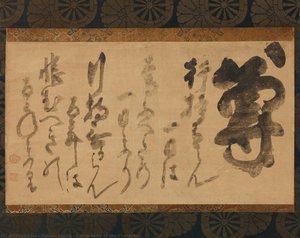
Beyond his role as a tea master, Rōgen Tenshin Zenji was a highly accomplished calligrapher. His work is characterized by a profound understanding of brush technique and an ability to imbue each stroke with meaning – reflecting the core tenets of Zen Buddhism. The piece “Calligraphy of Ma-zu,” created in 1607, exemplifies this perfectly. The serene ink wash scroll painting showcases masterful brushwork and embodies traditional Chinese aesthetics. The deliberate use of angular branches, reminiscent of a plum tree, speaks to themes of resilience and renewal – key concepts within Zen philosophy. The intensity of the brushstrokes, described as “martial precision,” suggests a connection between artistic expression and disciplined training, mirroring the samurai ethos that valued both skill and restraint. His calligraphy wasn’t merely decorative; it was a visual representation of his spiritual journey and a powerful embodiment of Zen principles.Historical Context: The Momoyama Period and Artistic Renaissance
Rōgen Tenshin Zenji's life unfolded during the Momoyama period (1568-1615), a time of remarkable artistic flourishing in Japan. This era, marked by the ambition of powerful warlords like Oda Nobunaga, Toyotomi Hideyoshi, and Tokugawa Ieyasu, witnessed an unprecedented investment in the arts. The warlords sought to impress visitors with lavish displays of wealth and power, commissioning elaborate castles and commissioning works of art that reflected their status and patronage. This period saw a synthesis of influences – incorporating elements from Chinese art while developing distinctly Japanese aesthetics. The influence of Western artistic concepts was also beginning to be felt, albeit cautiously. Rōgen Tenshin Zenji’s work reflects this complex interplay of tradition and innovation, embodying the spirit of a nation grappling with its identity and embracing new possibilities. As Robert Hughes noted in “Art: Japan's Renaissance,” the Momoyama period represented "a military creation" that simultaneously fostered austerity and refined taste.Legacy and Enduring Significance
Rōgen Tenshin Zenji died in 1611, leaving behind a profound legacy as both a Zen monk and a tea master. His influence on the development of Japanese aesthetics – particularly within the context of the tea ceremony – is undeniable. His association with figures like Sen no Rikyū cemented his place as a pivotal figure in shaping the formalization of *wabi-cha*. Furthermore, his calligraphy continues to be studied and admired for its technical mastery and spiritual depth. He stands as an icon of cultural refinement, embodying the harmonious blend of discipline, artistry, and philosophical insight that defined Japan’s Golden Age. His story serves as a reminder of how art can reflect and shape not only aesthetic values but also broader social and political landscapes.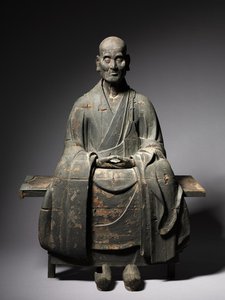
rōgen tenshin zenji, taihō enkan kokushi
1529 - 1611 , Japan
プロフィール概要
- Artistic Movement Or Style: Rinzai Zen Buddhism, Tea Ceremony Arts
- Artists Or Movements Influenced By This Artist: ['Sen no Rikyū']
- Artists Who Influenced This Artist: ['Kaihō Yūshō']
- Date Of Birth: 1529, Yamashiro Province, Japan
- Date Of Death: 1611
- Full Name: rōgen tenshin zenji, taihō enkan kokushi
- Nationality: Japanese
- Notable Artworks:
- Calligraphy of Ma-zu
- Six Principles for the Composition of Poems
- Place Of Birth: Yamashiro Province, Japan

