

 シェアする
シェアする シェアする
シェアする
 詳細を見る
詳細を見る

 ダウンロード
 似ている作品
 スライドショー
 統計情報
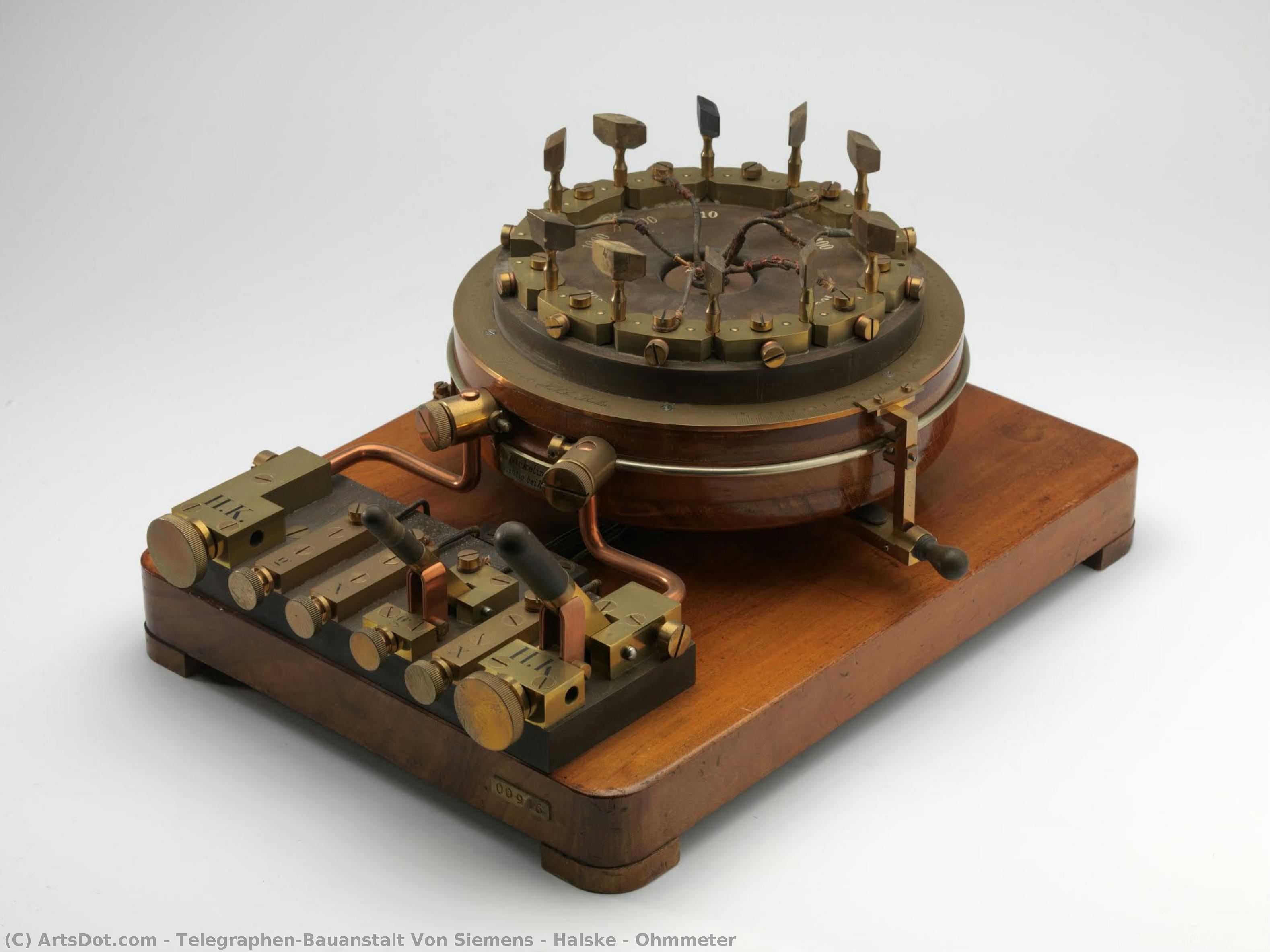
統計情報Ohmmeter
 Photography
- Photo
- Other
 1900
1900- 19th Century
 7.0 x 17.0 cm
 NEMO Science Museum
 詳細を見る
詳細を見る
オンラインプレビューをはるかに凌ぐ、高解像度で鮮明なデジタル画像をご購入いただけます。
各ファイルは、社内の専門家が高度なツールと熟練した手作業によるレタッチを用いて、細心の注意を払って準備されています。すべての画像において、卓越した鮮明度、正確な色彩再現性、そして繊細なディテールを保証いたします。
最終ファイルは、プロフェッショナルな編集・印刷環境ですぐにご利用いただけるよう最適化された状態で、72時間以内にメールにてお届けいたします。これは、一流のデザインスタジオ、出版社、ギャラリーから信頼されているものと同等の品質です。
デジタルアート
個人での鑑賞、印刷、クリエイティブなプロジェクト用に、高解像度ファイルをダウンロードできます。 ( プリント版に切り替え 手描きの絵画を購入)
デジタル画像のご注文に付随する特典
高品質なデジタル画像配信を、確かな品質で。
ArtsDot.com を選ぶことは、単に画像を手に入れることではありません。それは、プロの手によって精密に仕上げられ、満足保証が付いた高品質なデジタルアートワークを受け取ることを意味します。ご注文いただいた際に自動的に付随する内容は、以下の通りです:

メールですぐにお届け
ご注文から72時間以内に、高解像度のデジタル画像ファイルがメールでお手元に届きます。すぐにそのままご利用いただけます。

AI技術で最適化されたデジタルファイル
お客様の作品は、高度なAIツールと専門家による手作業の編集を組み合わせてプロフェッショナルに最適化されており、細部のディテール、鮮明さ、そして正確な色再現性を最大限に引き出しています。

一生涯無料の再送サービス
ファイルを誤って削除したり、紛失してしまったりしましたか?ご安心ください。いつでも無料で再送いたします。

輸入手数料は一切かかりません
関税や手数料、配送料を気にすることなく、お気に入りのアートワークをすぐにお楽しみいただけます。デジタルダウンロードは常に免税です。

色彩再現の保証
プロ仕様のツールとカラーマネジメント技術を用いることで、デジタル画像が元の色を最大限に忠実に再現することを保証いたします。

100日間満足保証
ご購入いただいたデジタル画像にご満足いただけない場合は、100日以内であれば、理由を問わず修正または100%の返金対応をさせていただきます。

100% 返金保証
ご満足いただけない場合は、デジタルファイルを受け取ってから100日以内であれば、理由を問わず全額返金いたします。

まとめ買い割引
3枚購入で10%OFF - 5枚購入で15%OFF - 10枚以上購入で20%OFF。クリエイティブなプロジェクト、ギャラリー、エージェンシーに最適です。
The Elegance of Precision: A Relic of the Electrical Age
In the quiet intersection of scientific rigor and industrial artistry lies the Ohmmeter, a breathtaking specimen of late 19th-century engineering by the legendary Telegraphen-Bauanstalt von Siemens & Halske. Created around 1900, this piece is far more than a mere measuring instrument; it is a sculptural testament to the dawn of the modern information age. The device, a Von Siemens Halske Ohmmeter, rests upon a dark, rich wooden base that provides a grounded, organic contrast to the intricate metallic complexity of the machine itself. To gaze upon this object is to witness the moment when human ingenuity began to master the invisible forces of electricity, capturing the very essence of the Second Industrial Revolution.
The composition of the work is intimate and focused, utilizing a tight framing that draws the viewer into the mechanical heart of the device. The lighting, reminiscent of a classic studio portrait, plays across the various textures with masterful clarity. One can almost feel the cool, smooth surfaces of the polished metal components and the tactile grain of the aged wood. The color palette is a sophisticated symphony of warm browns, muted greens, and the shimmering highlights of brass and silver. This harmonious blend of tones creates an atmosphere of nostalgic warmth, making it an ideal centerpiece for a study, a library, or any curated space that celebrates the intersection of history and design.
A Symphony of Form and Function
Technically, the Ohmmeter is a marvel of geometric precision. The visual language of the piece is defined by a rhythmic arrangement of circles, rectangles, and sharp, angular lines. Every lever, dial, and wire serves a dual purpose: they are functional components of the Kelvin bridge circuit, yet they possess an inherent aesthetic grace. The circular meter acts as a focal point, a window into the precision required to measure resistances as minute as 0.001 ohms. This interplay between the heavy, structural elements of the base and the delicate, intricate wiring creates a dynamic visual tension that keeps the eye moving across the surface, discovering new details with every glance.
For the collector or interior designer, this reproduction offers a profound symbolic depth. It represents the transition from the mechanical era to the electrical era—a period of unprecedented optimism and discovery. The Ohmmeter symbolizes the ability to quantify the unknown, to bring order to the invisible, and to bridge distances through technology. As an art piece, it evokes a sense of intellectual curiosity and reverence for the pioneers like Lord Kelvin and the visionary engineers at Siemens & Halske. It is not merely a decoration; it is a conversation starter that invites contemplation on how far we have traveled from these foundational mechanical marvels to our current digital landscape.
Integrating a high-quality reproduction of this masterpiece into a contemporary interior provides a sophisticated touch of "industrial chic." Whether placed in a minimalist modern setting to provide historical weight or within a classic, traditional room to enhance its sense of heritage, the Ohmmeter brings an unparalleled aura of prestige. It serves as a reminder that true innovation is often accompanied by a timeless, structural beauty that transcends the era of its creation.
関連作品



作家の略歴
The Dawn of Connection: Siemens & Halske and the Electrical Revolution
The story of Siemens & Halske is not one of a single artist’s hand, but rather the collective vision of pioneering engineers who fundamentally altered the course of 19th-century technology. Founded in Berlin in 1847 by Werner von Siemens and Johann Georg Halske, the firm emerged at a pivotal moment – an era hungry for faster communication and increasingly captivated by the possibilities of electricity. It wasn’t born from artistic impulse in the traditional sense, yet their work *was* profoundly creative, translating scientific principles into tangible tools that reshaped society. Their initial focus, the manufacturing of electrical telegraphs based on Charles Wheatstone's 1837 patent, was deceptively simple. However, it represented a leap forward, promising to shrink distances and connect people in ways previously unimaginable. The very first projects – like the construction of one of Europe’s earliest telegraph lines stretching from Berlin to Frankfurt am Main in 1848 – were acts of faith in a future powered by electrical signals. This wasn't merely about building machines; it was about weaving a new network across the continent, a nervous system for commerce, politics, and personal correspondence.From Telegraphs to Technological Titans
The early success with telegraphy laid the foundation for an ambitious expansion into nearly every facet of electrical engineering. Siemens & Halske didn’t remain confined to replicating Wheatstone's designs; they rapidly began innovating, refining existing technologies and venturing into new territories. The company quickly became synonymous with progress, tackling challenges in areas like incandescent lighting – a direct competitor to the burgeoning gas industry – and the development of powerful DC motors. This diversification wasn’t accidental. Werner von Siemens possessed an exceptional ability to foresee future needs and steer his company towards emerging markets. However, the path wasn't without competition. The rise of Allgemeine Elektrizitäts-Gesellschaft (AEG), founded by Emil Rathenau in 1887, created a formidable rival, sparking decades of intense innovation and market rivalry that ultimately benefited the field as a whole. Both companies pushed the boundaries of what was possible, driving down costs and improving efficiency. The internal dynamics of Siemens & Halske also shifted over time; Johann Georg Halske departed the company in 1867, leaving Werner von Siemens to guide its trajectory for another two decades until his retirement in 1890.Siemensstadt: A Crucible of Innovation
The physical embodiment of Siemens & Halske’s growth was Siemensstadt, a vast new industrial complex built in Berlin. More than just a factory, it became a self-contained community – a testament to the company's commitment to its workforce and a deliberate attempt to foster an environment conducive to innovation. This sprawling site wasn’t simply about production; it was designed to attract the brightest minds, providing housing, education, and recreational facilities. The creation of Siemensstadt signaled a new era for industrial enterprises, recognizing that technological advancement required not only capital investment but also a dedicated and skilled labor force. It became a symbol of German engineering prowess, attracting talent from across Europe and solidifying Siemens & Halske’s position as a global leader.A Legacy Forged in Wire and Current
The historical significance of Siemens & Halske extends far beyond the specific products they manufactured. They were instrumental in establishing the infrastructure for modern communication networks, powering industries, and illuminating cities. Their early work with telegraphs laid the groundwork for the telephone, radio, and ultimately, the internet. The development of efficient DC motors revolutionized manufacturing processes, enabling mass production and driving economic growth.- Their contributions to incandescent lighting challenged established energy paradigms.
- The company’s commitment to research and development fostered a culture of continuous improvement.
- Siemensstadt served as a model for industrial communities worldwide.
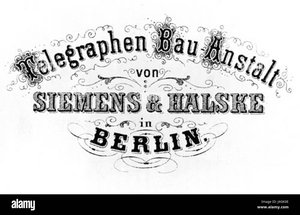
telegraphen-bauanstalt von siemens & halske
1847 - , Germany
プロフィール概要
- Artistic Movement Or Style: Electrical Engineering
- Artists Or Movements Influenced By This Artist: ['Early Electrical Tech']
- Artists Who Influenced This Artist: ['Charles Wheatstone']
- Date Of Birth: 1847
- Full Name: Siemens & Halske AG
- Nationality: German
- Notable Artworks:
- European Telegraph Lines
- Incandescent Light Bulbs
- DC Motors
- Place Of Birth: Berlin, Germany