

 プレビュー
プレビュー
 プリントを購入
 シェアする
シェアする シェアする
シェアする
 詳細を見る
詳細を見る

 ダウンロード
 似ている作品
 X線調査
X線調査 スライドショー
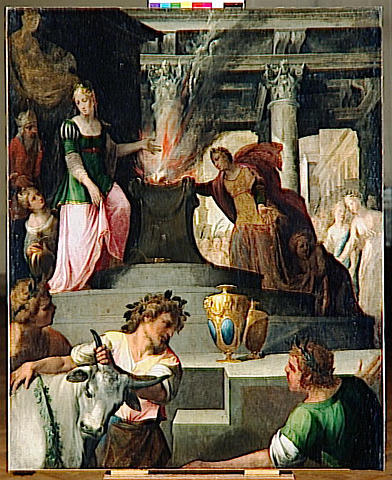
SUJET INCONNU, DIT SACRIFICE ANTIQUE


 詳細を見る
詳細を見る
オンラインプレビューをはるかに凌ぐ、高解像度で鮮明なデジタル画像をご購入いただけます。
各ファイルは、社内の専門家が高度なツールと熟練した手作業によるレタッチを用いて、細心の注意を払って準備されています。すべての画像において、卓越した鮮明度、正確な色彩再現性、そして繊細なディテールを保証いたします。
最終ファイルは、プロフェッショナルな編集・印刷環境ですぐにご利用いただけるよう最適化された状態で、72時間以内にメールにてお届けいたします。これは、一流のデザインスタジオ、出版社、ギャラリーから信頼されているものと同等の品質です。
デジタル画像のご注文に付随する特典
高品質なデジタル画像配信を、確かな品質で。
ArtsDot.com を選ぶことは、単に画像を手に入れることではありません。それは、プロの手によって精密に仕上げられ、満足保証が付いた高品質なデジタルアートワークを受け取ることを意味します。ご注文いただいた際に自動的に付随する内容は、以下の通りです:

メールですぐにお届け
ご注文から72時間以内に、高解像度のデジタル画像ファイルがメールでお手元に届きます。すぐにそのままご利用いただけます。

AI技術で最適化されたデジタルファイル
お客様の作品は、高度なAIツールと専門家による手作業の編集を組み合わせてプロフェッショナルに最適化されており、細部のディテール、鮮明さ、そして正確な色再現性を最大限に引き出しています。

一生涯無料の再送サービス
ファイルを誤って削除したり、紛失してしまったりしましたか?ご安心ください。いつでも無料で再送いたします。

輸入手数料は一切かかりません
関税や手数料、配送料を気にすることなく、お気に入りのアートワークをすぐにお楽しみいただけます。デジタルダウンロードは常に免税です。

色彩再現の保証
プロ仕様のツールとカラーマネジメント技術を用いることで、デジタル画像が元の色を最大限に忠実に再現することを保証いたします。

60日間満足保証
ご購入いただいたデジタル画像にご満足いただけない場合は、60日以内であれば、修正または100%の返金(理由を問う必要はありません)をさせていただきます。

100% 返金保証
ご満足いただけない場合は、デジタルファイルを受け取ってから60日以内であれば、理由を問わず全額返金いたします。

まとめ買い割引
3枚購入で10%OFF - 5枚購入で15%OFF - 10枚以上購入で20%OFF。クリエイティブなプロジェクト、ギャラリー、エージェンシーに最適です。
SUJET INCONNU, DIT SACRIFICE ANTIQUE – Toussaint Dubreuil
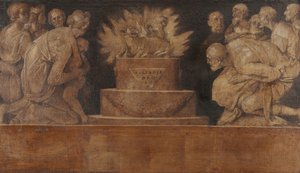
Toussaint Dubreuil’s “Ancient Sacrifice” stands as a testament to the Second School of Fontainebleau—a remarkable confluence of Mannerist grandeur and Italian Renaissance influence that captivated the artistic sensibilities of 16th-century France. While often overshadowed by more celebrated contemporaries like François Dubois, Dubreuil's oeuvre possesses an undeniable character defined by elongated figures, undulating draperies, and densely populated compositions mirroring the stylistic explorations championed by artists such as Francesco Primaticcio—a direct reflection of the profound impact Italian artistic ideals had on French painting during his prolific career. The artwork depicts a dramatic scene centered around an altar or pyre where flames ascend, immediately establishing a palpable sense of solemnity and impending ritual. Figures are meticulously arranged around this focal point, creating a dynamic narrative tension that draws the viewer’s eye into the heart of the composition. Dubreuil's masterful use of perspective subtly flattens the space, characteristic of the period, yet skillfully employs overlapping figures and receding architectural elements to convey depth and heighten visual interest. Color plays a crucial role in conveying the artwork’s emotional resonance. The dominant palette leans towards earthy tones—browns, ochres, and muted greens—providing a grounding counterpoint to bursts of vibrant red adorning one figure's drapery and pinks and greens punctuating the clothing of another. Strategic highlights within the flames introduce brilliant yellows and oranges, amplifying their luminosity and emphasizing their symbolic significance as conduits of divine fire. Dubreuil’s technique is characterized by layering colors with painstaking precision and employing loose brushstrokes to achieve a textural richness that captures the flickering effect of the flames. The medium—oil paint on canvas—allowed for nuanced blending and tonal modulation, contributing significantly to the artwork's overall visual impact. Furthermore, the artist’s meticulous attention to detail extends beyond mere representation; it embodies the humanist spirit prevalent during Dubreuil’s time, reflecting a desire to capture not just what is seen but also what is felt. The subject matter delves into themes of mortality and faith, underscored by the presence of a bull—a symbol deeply rooted in pagan religious traditions—further enriching the artwork's narrative complexity. “Ancient Sacrifice” transcends mere visual depiction; it invites contemplation on profound questions concerning human existence and spiritual belief. Dubreuil’s legacy resides not only in his artistic skill but also in his ability to evoke emotion and inspire reflection, cementing his place as a pivotal figure within the Second School of Fontainebleau and a cornerstone of French Renaissance art history.- Artist: Toussaint Dubreuil
- Born Year: 1561
- Death Year: 1602
- Birth City: Paris
- Birth Country: France
- Notable Artworks: Hyante & Climene
- Style & Medium: Mannerist; Oil Paint on Canvas
関連作品

作家の略歴
The Elegance of Mannerism: The Life and Legacy of Toussaint Dubreuil
Toussaint Dubreuil, a name etched into the delicate fabric of the French Renaissance, stands as a masterful bridge between the structured grandeur of Mannerism and the fluid, emotive grace of Italian influence. Born in Paris around 1561, Dubreuil emerged during a transformative era when the French court sought to mirror the sophisticated aesthetics of the Italian masters. His life, though relatively brief, concluded in 1602, yet the impact of his brushwork remains a testament to the artistic ambitions of the Second School of Fontainebleau. This movement was not merely a stylistic choice but a cultural phenomenon, blending the elongated, stylized forms of Mannerism with a vibrant, rhythmic energy that sought to elevate the French spirit through classical ideals.
The foundation of Dubreuil’s artistry was laid under the watchful eye of Ruggiero de Ruggieri at Fontainebleau. This formative period was crucial, as it immersed him in the principles of classical sculpture and the humanist philosophies that defined the royal court. From this tutelage, he inherited a meticulous devotion to detail and an uncanny ability to render idealized beauty. His early works reveal a profound grasp of Mannerist techniques—characterized by expressive gestures and complex, undulating draperies—yet they are simultaneously infused with a subtle, lyrical nuance derived from Italian traditions. This synthesis allowed him to create compositions that felt both structurally sophisticated and emotionally resonant.
Narrative Grandeur and Mythological Vision
Dubreuil’s creative impulse was deeply rooted in the literary and mythological landscapes of his time. He found endless inspiration in the epic tales of Homer, the poetic explorations of Pierre de Rationale, and the dramatic narratives of Torquato Tasso. Through these subjects, he explored universal themes of heroism, virtue, and divine grace, translating ancient legends into visual spectacles for the French aristocracy. His canvases often feature:
- Heroic Confrontations: Dramatic scenes where figures are caught in moments of intense physical and emotional struggle, utilizing elongated limbs to heighten the sense of tension.
- Opulent Festivities: Grandiose depictions of banquets and royal celebrations, such as his work Sujet inconnu, dit Un banquet, which capture the splendor and social hierarchy of the era.
- Intimate Portraits and Domesticity: More delicate explorations of beauty and ritual, exemplified by works like La Toilette et le Lever d'une Dame, where the grace of the human form is celebrated through soft light and refined detail.
In masterpieces such as Sacrifice Antique, Dubreuil demonstrates his ability to evoke profound mystery. Through the use of flickering flames and shadowy, enigmatic figures, he invites the viewer into a world of ancient ritual, where the boundaries between the mortal and the divine become blurred. This capacity for atmosphere is what distinguishes him from his contemporaries, as he moved beyond mere imitation of style to achieve a true sense of narrative depth.
Historical Significance and Artistic Triumph
The zenith of Dubreuil’s career was marked by his monumental contributions to the Fontainebleau Palace. His ability to execute ambitious fresco projects showcased a technical versatility that commanded respect within the highest circles of French nobility. These large-scale works served as much more than decoration; they were political and cultural statements, reinforcing the prestige of the French monarchy through the language of classical triumph. While he may not have achieved the widespread fame of some of his peers, his role in refining the Second School of Fontainebleau was indispensable.
Dubreuil’s legacy lies in his ability to harmonize disparate influences into a cohesive, uniquely French aesthetic. By weaving together the tension of Mannerism with the harmony of the Italian Renaissance, he helped define an era of unparalleled elegance. His work remains a vital study for anyone seeking to understand the transition of European art toward a more emotive and narrative-driven future, ensuring that his name continues to resonate within the halls of art history.
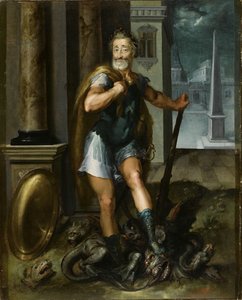
Toussaint Dubreuil
1561 - 1602 , France
プロフィール概要
- Artistic Movement Or Style: Second School Fontainebleau; Mannerism; Italian Art Influence
- Artists Who Influenced This Artist: ['Ruggiero de Ruggieri']
- Date Of Birth: ca. 1561
- Date Of Death: 1602
- Full Name: Toussaint Dubreuil
- Nationality: French
- Notable Artworks:
- Hyante & Climene
- Sujet inconnu, dit Un banquet
- SUJET INCONNU, DIT LA TOILETTE ET LE LEVER D'UNE DAME
- Place Of Birth: Paris, France

