

 プレビュー
プレビュー
 プリントを購入
 シェアする
シェアする シェアする
シェアする
 詳細を見る
詳細を見る

 ダウンロード
 似ている作品
 X線調査
X線調査 スライドショー
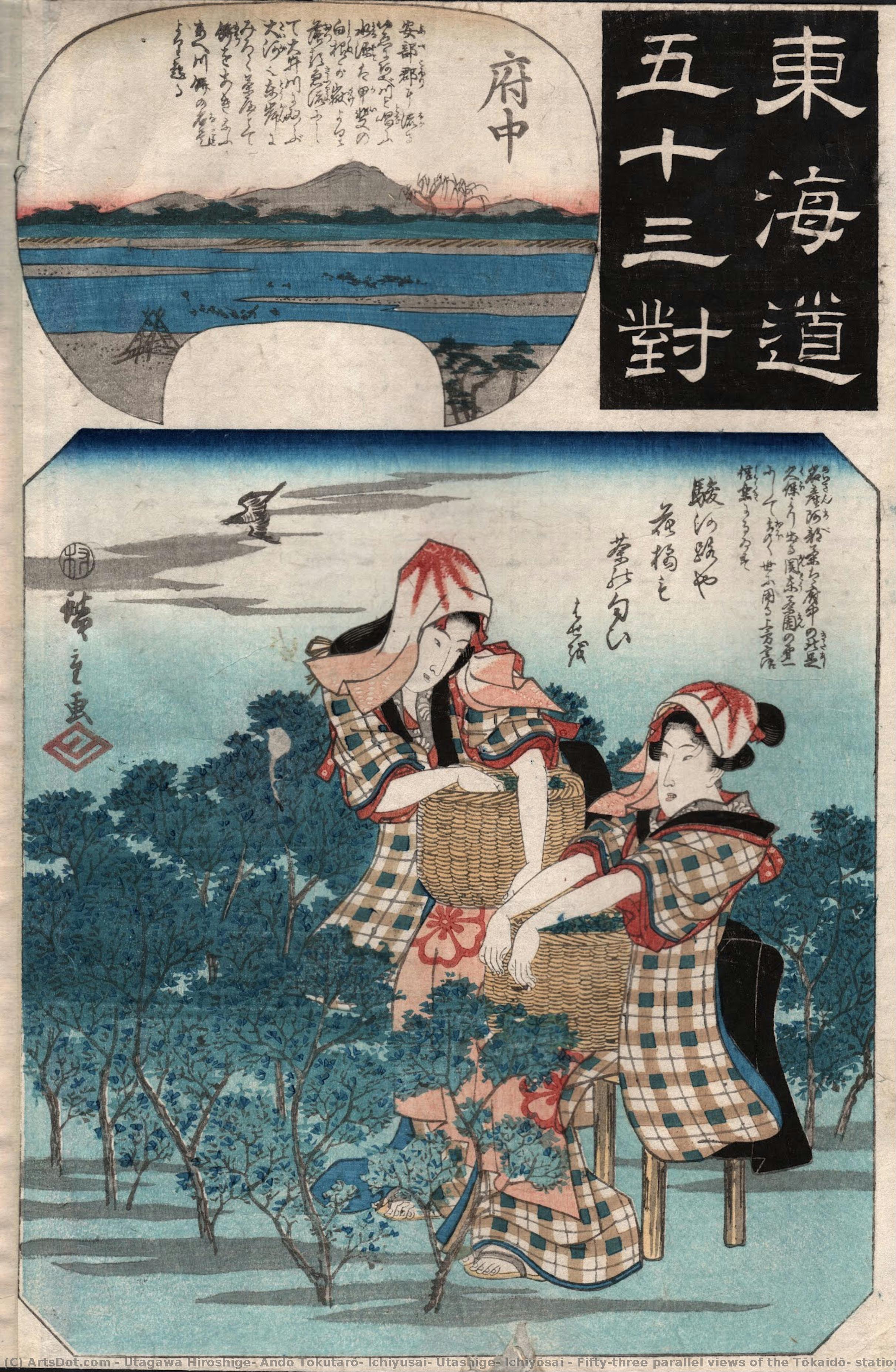
Fifty-three parallel views of the Tōkaidō, station 11
 Woodblock Print
- Ukiyo-e
 1845
1845- 19th Century
 38.0 x 26.0 cm
 Bujalance Collection
 詳細を見る
詳細を見る




P118B $10

P118H $10

P118W $10

P438Z $10

P508JH $12

P508YH $12

P805H $10

P805Z $10

P919BZ $10

P919G $10

P919XJ $10

P959ZH $10

P968JZ $12

W106C $8

W218G $10

W218JH $8

W218Y $10

W307PJ $10

W316G $10

W316PJ $8

W316Y $10

W398PJ $8

W4111J $10

W500HY $15

W500JH $15

W692G $12

W849H $8

W940BG $15

W953PJ $8




作品のオリジナル比率に合わせた、当店の規定サイズからお選びください。

特定のフレームやスペースに合わせて、ご希望のサイズをご入力いただけます。選択されたサイズが元の画像の比率と異なる場合、アートワークをトリミングするか、手描きで要素を追加して絵画を拡張いたします。デジタルモックアップ を制作し、制作開始前にご確認(承認)をいただきます。
画面上のプレビューは、実際のトリミングや拡張を正確に反映しているものではありません。最終的な構図は、モックアップによってのみ正確にご確認いただけます。
カスタムサイズもご利用いただけますが、元の比率を維持するためには、あらかじめ用意されたリストからサイズを選択することをお勧めいたします。
ご注文後、ArtsDot.com チームより詳細な指示をお送りするとともに、仕上がりイメージ(モックアップ)をご提供いたします。


 ガラスオプションは、110cm未満のサイズでのみご利用いただけます。

Fifty-three parallel views of the Tōkaidō, station 11
複製技法
複製画のサイズ
-


合計金額
$ 263
A Poetic Journey Through the Floating World
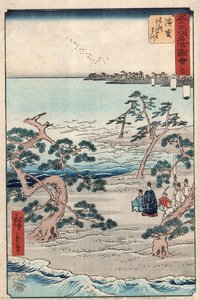
In the delicate interplay of line and color found within Fifty-three parallel views of the Tōkaidō, station 11, we encounter a profound moment of serenity captured from the golden age of Japanese ukiyo-e. Created in 1845, this exquisite woodblock print is part of a collaborative masterpiece that brought together the most formidable talents of the Utagawa school: Hiroshige, Kunisada, and Kuniyoshi. The artwork invites the viewer to step away from the chaos of modern life and into a tranquil coastal scene where time seems to suspend itself. Here, a group of figures rests upon a bench, their presence harmonizing perfectly with the rhythmic ebb and flow of the ocean waves. A solitary dog sits nearby, adding a touch of domestic warmth to the vast, maritime landscape, while birds drift lazily through a sky that breathes with peace.
The composition is a masterclass in the oban tate-e format, utilizing a sophisticated structural duality characteristic of this specific series. The upper portion of the print serves as a lyrical window, framed by whimsical, organic shapes reminiscent of swirling clouds or unfurling scrolls. This section contains a delicate haiku and symbolic imagery that provides a literary soul to the visual landscape, grounding the physical scene in poetic thought. In stark contrast, a bold, dark cartouche anchors the right side of the work, displaying the series title in striking white characters. This juxtaposition between the ethereal, dreamlike upper vignettes and the grounded, detailed lower landscapes creates a rhythmic tension that keeps the eye moving, much like a traveler navigating the famous Tōkaidō road itself.
The Mastery of Utagawa Technique and Spirit
To behold this print is to witness the pinnacle of 19th-century Japanese printmaking technique. The subtle gradations of color—the soft blues of the sea meeting the pale expanse of the sky—demonstrate the incredible skill of the printers in managing bokashi, or color gradation. This technique allows for a sense of atmospheric depth that makes the ocean feel infinitely vast and the air feel heavy with salt and mist. The linework, though fine and precise, possesses an organic fluidity that captures the movement of the wind and the gentle posture of the seated figures, evoking a sense of "mono no aware"—a bittersweet awareness of the impermanence of all things.
For the discerning collector or interior designer, this reproduction offers more than mere decoration; it provides a window into a lost era of contemplative beauty. The artwork’s ability to evoke stillness makes it an ideal centerpiece for spaces dedicated to relaxation and mindfulness. Whether placed in a sunlit study or a sophisticated contemporary living room, the print acts as a focal point of calm, its historical weight and artistic elegance lending an air of cultured sophistication to any environment. It is a piece that does not demand attention through loudness, but rather commands it through a quiet, enduring grace that resonates across centuries.
関連作品
アーティストの略歴
A Life Immersed in the Floating World: The Journey of Utagawa Hiroshige
Born Andō Tokutarō in 1797, within the bustling heart of Edo (modern Tokyo), Utagawa Hiroshige’s path to becoming Japan's last great ukiyo-e master was not one initially paved with artistic ambition. His lineage traced back to samurai roots, a background that afforded him a degree of leisure despite his eventual responsibilities as a fire warden—a position inherited from his father. This seemingly mundane duty, however, proved unexpectedly fertile ground for the blossoming artist. The time it allowed him to observe the world around him, coupled with an innate sensitivity, would become the cornerstone of his unique artistic vision. Early loss – the passing of both parents during his childhood – perhaps instilled a quiet introspection that later permeated his work. He initially pursued painting as a hobby, seeking instruction from Toyokuni of the Utagawa school but ultimately finding mentorship under Toyohiro, also of the same lineage. By 1812, he was granted permission to sign his works as Hiroshige, marking the formal beginning of his artistic journey.From Genre Scenes to Landscapes: A Poetic Evolution
Hiroshige’s early work adhered more closely to the conventions of ukiyo-e – depictions of beautiful women, popular actors, and scenes from Edo's vibrant pleasure districts. However, he soon began to diverge from these established norms, drawn instead to the subtle beauty of landscapes. This shift was significantly influenced by Hokusai’s groundbreaking *Thirty-six Views of Mount Fuji*, a series that demonstrated the power of focusing on a single motif across multiple compositions. Yet, Hiroshige's approach differed markedly. Where Hokusai embraced boldness and formality, Hiroshige cultivated a poetic sensibility, prioritizing atmosphere, emotion, and nuanced color gradations. He wasn’t merely recording scenes; he was evoking feelings – the melancholy of rain, the warmth of sunlight, the quiet solitude of a rural path. This mastery of *bokashi*, a technique involving multiple impressions to create soft transitions in color, became a defining characteristic of his style, demanding considerable skill and patience from both artist and printer. His early landscape work often featured depictions of famous tea houses and other local scenes, gradually expanding into broader explorations of the Japanese countryside.The Tōkaidō and Beyond: Defining Series and Lasting Impact
Hiroshige’s reputation solidified with his *Fifty-three Stations of the Tōkaidō* (1833–1834), a horizontal-format series depicting the journey along the main road connecting Edo to Kyoto. This work wasn't simply a travelogue; it was an intimate portrait of life in motion, capturing the bustling energy of post towns, the serene beauty of natural landscapes, and the everyday encounters of travelers. Each print functioned as both a standalone artwork and a piece within a larger narrative, offering glimpses into the social fabric of Edo-period Japan. Following this triumph, he embarked on *One Hundred Famous Views of Edo* (1856–1858), a vertical-format series that celebrated his hometown with an unprecedented level of detail and emotional depth. These series weren’t just commercially successful; they established Hiroshige as the foremost landscape artist of his time. He also produced numerous other notable works, including *Thirty-six Views of Mount Fuji* (a response to Hokusai's series) and various albums showcasing seasonal landscapes and historical scenes.A Legacy Transcending Borders: Japonisme and Modern Influence
The impact of Hiroshige’s work extended far beyond the shores of Japan. In the late 19th century, as Japan opened its borders to the West, *ukiyo-e* prints flooded European markets, sparking a phenomenon known as *Japonisme*. Artists like Manet and Monet were captivated by Hiroshige's compositions, his use of color, and his unconventional perspectives. Vincent van Gogh, in particular, became an ardent admirer, meticulously copying several of Hiroshige’s prints – notably those from the *Fifty-three Stations of the Tōkaidō* – as a means of studying composition and technique. Van Gogh's own paintings bear striking evidence of this influence, demonstrating the profound impact Hiroshige had on the development of modern art. Hiroshige’s death in 1858 coincided with a period of rapid change in Japan, marked by the Meiji Restoration and increasing westernization. While *ukiyo-e* as a genre declined in popularity, his legacy endured, inspiring generations of artists both within Japan and abroad. He remains celebrated not only for his technical mastery but also for his ability to capture the essence of a fleeting moment, transforming ordinary scenes into enduring works of art that continue to resonate with audiences today.A Quiet Revolution: Symbolism and Artistic Philosophy
Beyond the aesthetic beauty of his prints, Hiroshige’s work is imbued with subtle symbolism and a profound connection to nature. He often incorporated poetic verses – *haiku* – into his compositions, adding layers of meaning and inviting viewers to contemplate the deeper significance of the scenes depicted. Rain, for example, wasn't merely a meteorological phenomenon; it represented melancholy, transience, and the passage of time. The inclusion of travelers on the Tōkaidō road spoke to themes of pilgrimage, self-discovery, and the interconnectedness of human experience. His artistic philosophy was rooted in observation and empathy. He sought not to impose his own vision onto the landscape but rather to capture its inherent beauty and evoke a sense of emotional resonance within the viewer. This quiet revolution – a departure from the more flamboyant styles of his predecessors – established Hiroshige as a uniquely sensitive and poetic artist, whose work continues to inspire awe and contemplation centuries later. His influence on Impressionism is undeniable, but perhaps even more significant is his lasting contribution to our understanding of landscape as a vehicle for emotional expression and cultural reflection. Hiroshige’s prints are not simply images; they are windows into the soul of Japan.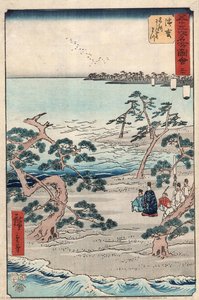
基本情報
- Artistic Movement Or Style: Ukiyo-e
- Artists Or Movements Influenced By This Artist:
- Manet
- Monet
- Van Gogh
- Artists Who Influenced This Artist: ['Hokusai']
- Date Of Birth: 1797
- Date Of Death: October 12, 1858
- Full Name: Utagawa Hiroshige
- Nationality: Japanese
- Notable Artworks:
- Fifty-three Stations...
- One Hundred Famous Views...
- Place Of Birth: Edo, Japan
関連記事

葛飾北斎:25の傑作が語る浮世絵の世界 - ArtsDot
葛飾北斎の25選:『神奈川沖浪裏』や『富嶽三十六景』など、浮世絵の世界を深く探求。木版画の技法と日本美術の美をArtsDotで。高品質なアートプリントで空間に感動を。コレクションはこちら。
The Enduring Legacy of Woodblock Printmaking: Technique, History & Artistic Expression
Explore the rich history of woodblock printmaking – from ancient techniques to Ukiyo-e masterpieces. Discover expert insights on collecting, preserving & appreciating this enduring art form.
Ukiyo-e: Exploring Japan's Floating World & Enduring Artistic Legacy
Explore the captivating world of Ukiyo-e – Japan's iconic woodblock prints! Discover masters like Hokusai & Hiroshige, learn about Edo period culture, and find expert art collecting guidance at ArtsDot.
Tsukioka Yoshitoshi: A Master of Ukiyo-e's Final Flourish – Narrative, Innovation, and the Meiji Transition
Explore the life & art of Tsukioka Yoshitoshi, the last great master of ukiyo-e woodblock printing. Discover his dramatic warrior prints, innovative series like 'One Hundred Aspects of the Moon,' and legacy reflecting Japan's Meiji transition.
Serenity on Canvas: A Guide to the Timeless Beauty of Japanese Landscape Painting
Discover the serene beauty of Japanese landscape painting. From Hokusai's iconic woodblock prints to meditative sumi-e ink washes, explore a visual journey through the 'floating world' and learn how to bring this timeless Zen aesthetic into your modern home decor.