

 プレビュー
プレビュー
 プリントを購入
 シェアする
シェアする シェアする
シェアする
 詳細を見る
詳細を見る

 ダウンロード
 似ている作品
 X線調査
X線調査 スライドショー
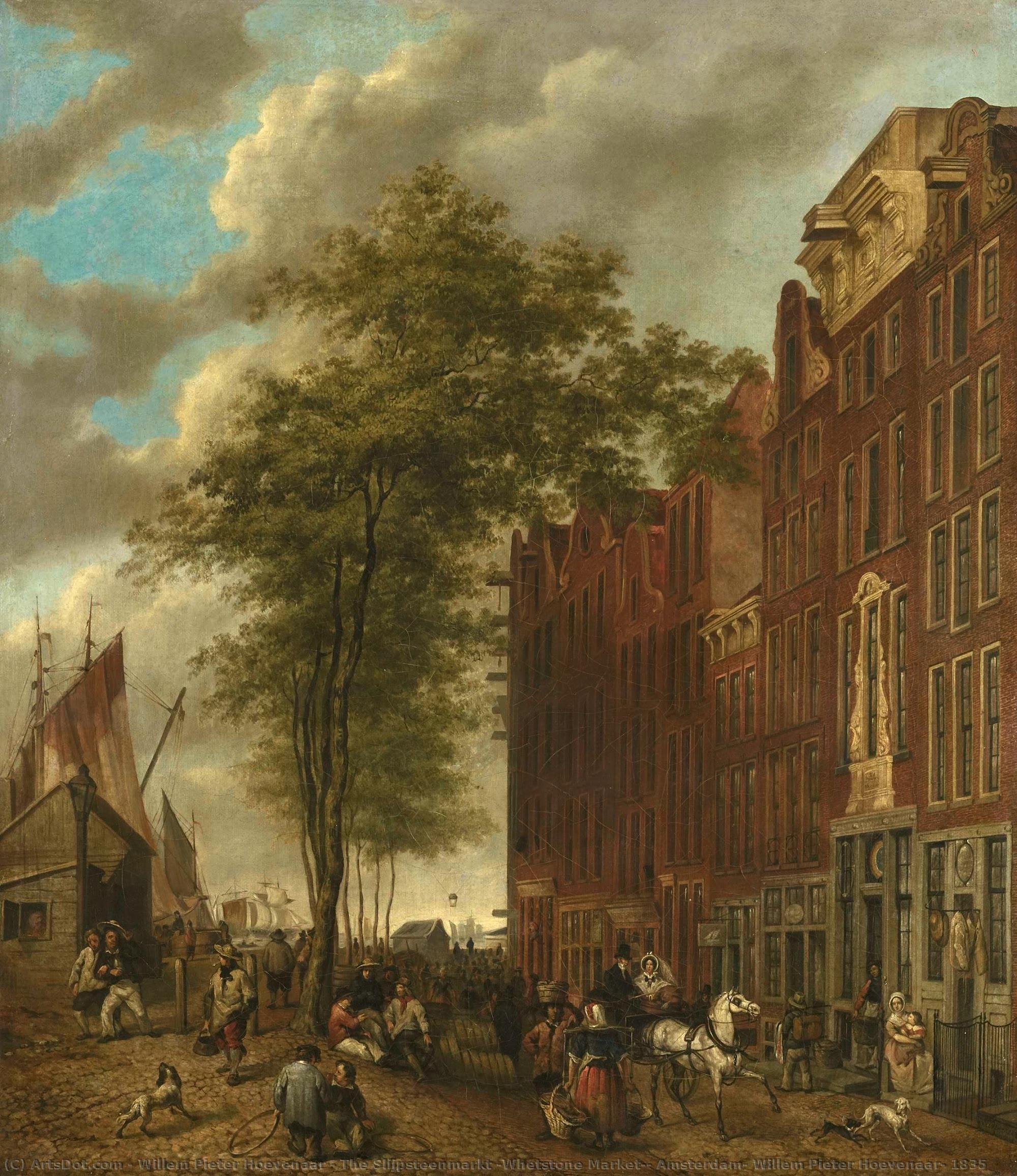
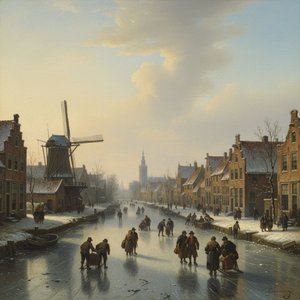
The Slijpsteenmarkt (Whetstone Market), Amsterdam, Willem Pieter Hoevenaar, 1835
 Dutch Golden Age
 1835
1835 63.0 x 55.0 cm
 詳細を見る
詳細を見る




































作品のオリジナル比率に合わせた、当店の規定サイズからお選びください。

特定のフレームやスペースに合わせて、ご希望のサイズをご入力いただけます。選択されたサイズが元の画像の比率と異なる場合、アートワークをトリミングするか、手描きで要素を追加して絵画を拡張いたします。デジタルモックアップ を制作し、制作開始前にご確認(承認)をいただきます。
画面上のプレビューは、実際のトリミングや拡張を正確に反映しているものではありません。最終的な構図は、モックアップによってのみ正確にご確認いただけます。
カスタムサイズもご利用いただけますが、元の比率を維持するためには、あらかじめ用意されたリストからサイズを選択することをお勧めいたします。
ご注文後、ArtsDot.com チームより詳細な指示をお送りするとともに、仕上がりイメージ(モックアップ)をご提供いたします。


 ガラスオプションは、110cm未満のサイズでのみご利用いただけます。

The Slijpsteenmarkt (Whetstone Market), Amsterdam, Willem Pieter Hoevenaar, 1835
複製技法
複製画のサイズ
-


合計金額
$ 338
関連作品

アーティストの略歴
Willem Pieter Hoevenaar: A Dutch Painter of Vintage Costumes and Everyday Life
Born in Utrecht in 1808, Willem Pieter Hoevenaar emerged as a significant figure in 19th-century Dutch painting. His artistic journey began within a family steeped in artistic tradition – his father, Adriaenus Hoevenaar, was himself a painter, and later, Pieter Christoffel Wonder became his mentor. This lineage instilled in him not just technical skill but also an appreciation for the rich visual heritage of the Netherlands. Alongside his brothers, Cornelis Willem and Nicolaas Ludolph, all pursuing careers as artists, Hoevenaar’s creative spirit blossomed amidst a thriving artistic community in Utrecht.
Hoevenaar's early training undoubtedly shaped his distinctive style. He quickly established himself as a master of genre painting – scenes depicting ordinary life, often imbued with a nostalgic quality. His most recognizable works feature figures dressed in meticulously researched vintage Dutch costumes, transporting the viewer to a bygone era. These weren’t simply historical recreations; they were carefully constructed narratives, capturing the spirit and social customs of earlier periods. The meticulous detail evident in these garments—from the elaborate fabrics to the precise accessories—demonstrates his dedication to authenticity and his keen eye for visual storytelling.
The Influence of Pieter Christoffel Wonder and the Rise of Sepia Drawings
Pieter Christoffel Wonder, a prominent artist known for his landscapes and portraits, played a crucial role in Hoevenaar’s development. Wonder's influence is particularly evident in Hoevenaar’s technique – a refined approach to rendering light and shadow, combined with a subtle use of color. However, it was Hoevenaar’s exploration of sepia drawings that truly distinguished him during his time. These monochrome studies, executed with remarkable precision, gained considerable popularity amongst the public. The somber tones and intricate detail of these drawings offered a unique aesthetic appeal, contrasting sharply with the vibrant colors of his oil paintings.
The demand for Hoevenaar’s sepia drawings fueled his success and established him as a respected artist within the Dutch art world. Exhibitions in The Hague and Amsterdam throughout the 1828-1863 period showcased both his paintings and his drawings, solidifying his reputation and attracting a loyal following. His work was not merely decorative; it offered a glimpse into a carefully constructed past, inviting viewers to contemplate the evolution of Dutch society and culture.
Notable Works and Artistic Techniques
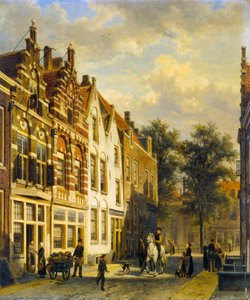
Among Hoevenaar’s most celebrated works is “The Slijpsteenmarkt (Whetstone Market), Amsterdam,” painted in 1835. This vibrant cityscape captures the bustling atmosphere of a traditional Dutch market, showcasing a diverse cast of characters engaged in everyday activities. The painting's meticulous detail—from the architecture to the clothing and facial expressions—demonstrates Hoevenaar’s mastery of composition and his ability to convey a sense of immediacy and realism. His use of light and shadow creates depth and drama, drawing the viewer into the scene.
Another significant piece is “Willem Pieter Hoevenaar (1808-1863), Jan Steen en Frans van Mieris in de herberg,” painted in 1842. This work, a lively depiction of Jan Steen and Frans van Mieris enjoying themselves at an inn, exemplifies Hoevenaar’s talent for capturing human interaction and creating engaging narratives. The painting is notable for its dynamic composition and the artist's skillful portrayal of character.
Hoevenaar’s technical skill extended beyond mere representation; he possessed a keen understanding of color theory and perspective. His paintings are characterized by their balanced compositions, harmonious color palettes, and realistic depictions of figures and settings. He was also a skilled draughtsman, evident in the precision and detail of his sepia drawings.
Legacy and Influence
Willem Pieter Hoevenaar’s legacy extends beyond his individual works. He played a vital role in preserving and celebrating Dutch cultural heritage through his art. His meticulous depictions of vintage costumes and everyday life offered valuable insights into the social customs and traditions of earlier periods. His influence can be seen in the work of his pupils, David van der Kellen Jr. and his son Jozef Hoevenaar, who continued to explore similar themes and techniques.
Despite a relatively short career, Hoevenaar left an indelible mark on the Dutch art world. His paintings and drawings remain highly valued for their artistic merit, historical significance, and evocative portrayal of a bygone era. His work continues to be exhibited and studied today, ensuring that his contribution to Dutch art history is remembered and appreciated.
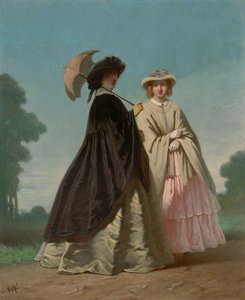
Willem Pieter Hoevenaar
1808 - 1863 , Netherlands
基本情報
- Artistic Movement Or Style: Genre painting
- Artists Or Movements Influenced By This Artist: ['David van der Kellen Jr.']
- Artists Who Influenced This Artist:
- Adriaenus Hoevenaar
- Pieter Christoffel Wonder
- Date Of Birth: 1808, Utrecht
- Date Of Death: 1863, Utrecht
- Full Name: Willem Pieter Hoevenaar
- Nationality: Dutch
- Notable Artworks:
- The Slijpsteenmarkt
- Jan Steen en Frans van Mieris
- Place Of Birth: Utrecht, Netherlands
関連記事

黄金世紀の巨匠たち:バロック絵画が彩る10選|ArtsDot
オランダ黄金時代の10大傑作を紐解く!レンブラント、フェルメール…バロック絵画の魅力と時代背景を深く探求。ArtsDotで、至高のアートコレクションと空間演出のヒントを見つけよう。高品質なアートプリントで、お部屋を華やかに。

Golden Age Reflections: Dutch Baroque Painting & Cultural Innovation
Explore the Dutch Golden Age of painting! Discover key artists like Vermeer & ter Borch, their innovative techniques, and the rich cultural context behind these Baroque masterpieces. Learn about collecting & appreciating this iconic art period.

Illuminating Innovation: Exploring the Dutch Golden Age of Painting
Explore the Dutch Golden Age of painting with ArtsDot. Discover Rembrandt, Vermeer & other Masters. Learn about key characteristics, iconic artworks, and lasting influence. Expert insights for collectors & enthusiasts.
Illuminating Realism: Exploring the Dutch Golden Age of Painting (1600-1700)
Explore the Dutch Golden Age of painting (1600-1700) with ArtsDot. Discover Rembrandt, Vermeer & other masters. Learn about techniques, history & find museum-quality reproductions.
Charles Leickert: Capturing the Dutch Golden Age Light – A Comprehensive Study of Technique, Context, and Legacy
Explore the captivating winter landscapes of Charles Leickert, a master of Dutch Golden Age light & atmosphere. Discover his techniques, symbolism, and lasting legacy – a comprehensive study for art enthusiasts and collectors.

