Table of Contents
Quick Facts
- Lifespan: 59 years
- Art period: 19th Century
- Died: 1880
- Copyright status: Public domain
- Museums on APS: Metropolitan Museum of Art
- Born: 1821, New York, United States of America
- More…
- Nationality: United States of America
- Also known as: george augustus baker jr.
- Top 3 works:
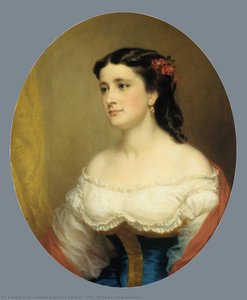
- Mrs. William Loring Andrews
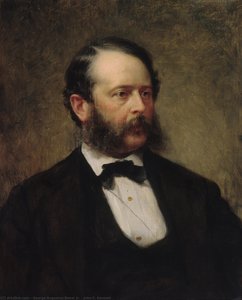
- John F. Kensett
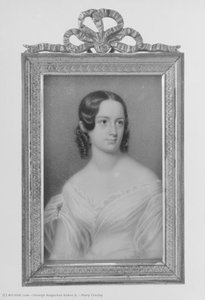
- Mary Crosby
- Top-ranked work: Mrs. William Loring Andrews
- Works on APS: 3
Art Quiz
There is only one correct answer for each question.
Question 1:
George Augustus Baker Jr. was primarily known for painting what types of subjects?
Question 2:
What was George Augustus Baker Jr.'s relationship to his father?
Question 3:
In what year did George Augustus Baker Jr. become a member of the National Academy of Design?
Question 4:
Which of the following is NOT mentioned as one of Baker Jr.'s well-known ideal works?
Question 5:
Where did George Augustus Baker Jr. spend time studying art outside of the United States?
Related Articles

Georges Braque's Masterpieces: 25 Paintings That Defined Cubism & Modern Art | ArtsDot
Explore 25 iconic Georges Braque paintings that revolutionized Cubism & modern art. Discover the stories behind his masterpieces, from Fauvism to Analytical Cubism. Find museum-quality reproductions & elevate your home decor with ArtsDot.com.


Georges Seurat's Masterpieces: 25 Paintings That Defined Pointillism | ArtsDot
Explore 25 iconic Georges Seurat paintings & discover the brilliance of Pointillism. From 'La Grande Jatte' to his harbor scenes, delve into art history with ArtsDot.com. Find museum-quality reproductions for your home decor. Explore the full collection online!

Grant Wood & American Regionalism: Identity, Myth & the Rural Landscape
Explore the world of Grant Wood & American Regionalism with ArtsDot. Discover the symbolism behind 'American Gothic', recurring themes, and the movement's lasting impact on art history. High-quality reproductions available.