


 Предпросмотр
 Поделиться
 Поделиться
 Детали произведения

 Скачать
 Похожие работы
 Рентгенография
 Слайд-шоу
 Статистика
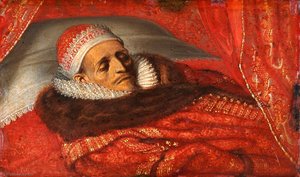
Maurice (1567-1625), Prince of Orange, Lying in State
 Oil On Copper
- WallArt
- Baroque
 1625
1625 8.0 x 13.0 cm
 Рейксмюзеум
 Читать далее
Масляная репродукция ручной работы
Картина маслом на холсте в выбранном вами размере и раме, написанная на заказ нашими художниками. ( Перейти к печати Перейти к цифровым изображениям)




P118B $10

P118H $10

P118W $10

P438Z $10

P508JH $12

P508YH $12

P805H $10

P805Z $10

P919BZ $10

P919G $10

P919XJ $10

P959ZH $10

P968JZ $12

W106C $8

W218G $10

W218JH $8

W218Y $10

W307PJ $10

W316G $10

W316PJ $8

W316Y $10

W398PJ $8

W4111J $10

W500HY $15

W500JH $15

W692G $12

W849H $8

W940BG $15

W953PJ $8
Выберите один из наших стандартных размеров, соответствующих оригинальным пропорциям произведения искусства.

Вы можете указать собственные размеры, чтобы картина идеально вписалась в выбранную раму или пространство. Если выбранный вами размер не соответствует пропорциям оригинала, мы либо обрежем полотно, либо расширим его за счет дополнительных элементов, написанных вручную. Цифровой макет будет отправлен вам на утверждение перед началом производства.
Обратите внимание, что предварительный просмотр на экране не отражает фактическую обрезку или расширение. Только макет точно покажет окончательную композицию.
Хотя доступны индивидуальные размеры, мы рекомендуем выбирать вариант из предопределенного списка, чтобы сохранить исходные пропорции.
После оформления заказа команда ArtsDot.com свяжется с клиентом по электронной почте для уточнения деталей и предоставит предварительный макет
Доставка по всему миру () за 3–4 недели вместо стандартных 5 недель. (15 Сентябрь). Без компромиссов в качестве.

Бесплатная экспресс-доставка по всему миру

Высококачественный льняной холст

Полное страхование доставки

Гарантия возмещения таможенных пошлин

Гарантия точного соответствия цветов

100-дневная политика возврата (только при обнаружении дефектов)

Гарантия возврата 100% средств

Предложение оптовых скидок
 Вариант со стеклом доступен только для размеров менее 110 см

Maurice (1567-1625), Prince of Orange, Lying in State
Техника репродукции
Размер репродукции
-


Итоговая стоимость
$ 263
A Portrait of Mortality: Adriaen van de Venne’s “Maurice”
Adriaen Pietersz van de Venne's "Maurice (1567-1625), Prince of Orange, Lying in State" is not merely a portrait; it’s a meticulously crafted tableau of power, vulnerability, and the profound weight of history. Painted in 1625 during the tumultuous years of the Dutch Revolt, this oil on copper masterpiece offers a haunting glimpse into the final moments of a key figure – Maurice of Nassau, a brilliant military strategist and one of the architects of modern Holland. The painting transcends simple representation, becoming a potent symbol of a nation grappling with independence and confronting its own mortality.
Van de Venne, a master of the Baroque style, expertly employs dramatic lighting to sculpt Maurice’s form. The deep shadows that engulf his body create an atmosphere of solemnity and reverence, while carefully placed highlights accentuate the details of his attire – the crimson robe signifying his rank, the intricate embroidery hinting at his wealth and status, and the gleaming crown a testament to his princely lineage. The artist's use of copper as the support lends a remarkable richness and depth to the colors, imbuing the scene with an almost metallic sheen that speaks to both the material world and the enduring nature of memory.
The Symbolism of Rest
Maurice is depicted lying in state – a tradition observed across Europe for centuries, signifying respect and allowing the public to pay their final respects. However, Van de Venne elevates this familiar image with a subtle yet significant detail: Maurice’s eyes remain open. This seemingly simple gesture carries immense weight. It suggests not just death, but also awareness, contemplation, and perhaps even a quiet defiance. The pose itself – lying prone, relaxed, almost asleep – evokes a sense of peaceful surrender, yet the open gaze prevents the scene from becoming overly sentimental or mournful.
Furthermore, the inclusion of the crown is not simply an indicator of royalty; it’s a visual reminder of the burdens and responsibilities that came with his title. Maurice was a complex figure – a military leader, a diplomat, a landowner, and a key player in the fight for Dutch independence. The painting subtly acknowledges this multifaceted identity, presenting him as both a powerful prince and a man facing the inevitable end.
A Window into 17th-Century Holland
“Maurice” is deeply rooted in its historical context. Painted during the height of the Eighty Years’ War against Spain, the painting reflects the anxieties and aspirations of a nation striving for self-determination. The Dutch Republic was a relatively young entity, still navigating the complexities of governance and forging its own identity. Van de Venne's work captures this spirit of innovation and resilience, while simultaneously acknowledging the sacrifices made in pursuit of freedom.
The painting’s provenance – housed within the Rijksmuseum in Amsterdam – further underscores its significance as a national treasure. It represents not only a remarkable artistic achievement but also a vital link to Holland's rich cultural heritage. The meticulous detail and masterful technique employed by Van de Venne ensure that “Maurice” continues to captivate viewers centuries after its creation, offering a poignant meditation on power, mortality, and the enduring legacy of a nation’s struggle for independence.
Collecting the Legacy
Reproductions of "Maurice (1567-1625), Prince of Orange, Lying in State" offer an accessible way to experience the profound beauty and historical significance of this iconic artwork. ArtsDot’s hand-painted reproductions faithfully capture the original's rich colors, dramatic lighting, and intricate details, providing a stunning addition to any collection or interior space. Consider this piece not just as decoration, but as a window into a pivotal moment in European history – a testament to courage, resilience, and the enduring power of art.
Похожие произведения
Биография художника
A Life Forged in Flight: The World of Adriaen Pietersz van de Venne
Adriaen Pietersz van de Venne, a name resonating with the vibrant energy of the Dutch Golden Age, was more than just a painter; he was a visual storyteller, a social commentator, and a versatile artist who navigated the complex currents of 17th-century life. Born in Delft in 1589, his very origins were steeped in upheaval. His parents, fleeing religious persecution in the Southern Netherlands, instilled within him a sense of displacement that perhaps fueled his keen observation of societal fractures and human foibles. This early experience shaped not only his artistic vision but also his commitment to using art as a mirror reflecting the world around him—its joys, its sorrows, and its often-pointed ironies. Van de Venne’s education began in Leiden, where he immersed himself in the intellectual ferment of the university town, acquiring a grounding in Latin that would later serve him well in understanding classical allegories and humanist thought. His formal artistic training commenced with Simon de Valk, a master goldsmith and painter, followed by an apprenticeship with Jeronimus van Diest, honing his skills in the delicate art of grisailles—monochrome paintings executed in shades of gray, a technique that would become a hallmark of his style.Early Influences and Artistic Formation
The formative years of Adriaen Pietersz van de Venne’s artistic journey were marked by exposure to influential figures and artistic currents. Born into a family displaced by religious conflict—his parents sought refuge from persecution in the Southern Netherlands—he inherited a profound awareness of social instability, which undoubtedly shaped his worldview. Leiden University provided him with an unparalleled environment for intellectual exploration, fostering his passion for Latin and equipping him with the tools to engage critically with humanist thought. This academic grounding would prove invaluable as he pursued his artistic training under Simon de Valk, a respected goldsmith and painter who instilled in him a mastery of craftsmanship and visual representation. Subsequently, he apprenticed himself to Jeronimus van Diest, a celebrated grisailles artist—a technique characterized by its monochromatic palette—further refining his technical skills and establishing him as a student of one of the era’s foremost practitioners. This dual training ensured that Van de Venne possessed both artistic talent and intellectual acuity—qualities that would serve him well throughout his prolific career.The Flowering of Talent: Middelburg and Bruegel's Legacy
A pivotal moment in Adriaen Pietersz van de Venne’s artistic development arrived with his relocation to Middelburg in 1614. Here, he encountered the profound influence of Jan and Pieter Brueghel the Elder—artists who revolutionized genre painting by depicting peasant life with unflinching realism and imbued their canvases with moral lessons. The brothers' distinctive style—characterized by earthy palettes, detailed depictions of rural landscapes, and satirical portrayals of human folly—resonated deeply with Van de Venne’s sensibilities, inspiring him to adopt a similar approach in his own work. It was during this period that he created Fishing for Souls, arguably his most ambitious and symbolically laden masterpiece. This painting exemplifies Van de Venne's ability to translate complex theological and political ideas into compelling visual narratives—a hallmark of the Dutch Golden Age’s artistic tradition. The depiction of fishermen casting nets towards souls represents a powerful commentary on the religious divisions plaguing Europe during the Eighty Years’ War, skillfully blending allegory with meticulous observation of human behavior. This early work solidified Van de Venne's reputation as an artist capable of conveying profound messages through evocative imagery—a legacy that would endure throughout his lifetime.A Master of Grisailles and Literary Collaboration
Adriaen Pietersz van de Venne distinguished himself as a virtuoso of grisailles—monochrome paintings executed in shades of gray—a technique favored by artists like Rembrandt and Rubens for its ability to convey emotion and nuance without the distraction of color. He mastered this demanding medium, producing numerous grisaille portraits and decorative panels that showcased his exceptional artistic skill. These works demonstrate Van de Venne’s meticulous attention to detail and his profound understanding of tonal shading—essential elements in achieving a sense of depth and realism. Beyond painting, he excelled as a printmaker and book illustrator, collaborating closely with Jacob Cats—a celebrated Dutch poet and playwright—to produce visually striking editions of Cats' works. This partnership exemplifies the interconnectedness of artistic disciplines during the Golden Age, where writers and artists often engaged in reciprocal influences. Van de Venne’s illustrations captured the spirit of his time—reflecting both intellectual sophistication and a keen awareness of social realities—further enhancing the impact of Cats’ poetry.Later Years and Artistic Recognition
By 1625, Adriaen Pietersz van de Venne established himself in The Hague, where he continued to produce significant artistic achievements until his death in 1662. He became a respected member of the Guild of Saint Luke—a prestigious institution that governed artistic practice and ensured standards of excellence—serving as its dean from 1637 onwards. This position underscored his standing within the art world and allowed him to advocate for the interests of fellow artists, demonstrating his commitment to upholding professional traditions. He remained active as a printmaker and book illustrator throughout his life, producing works that celebrated Dutch culture and intellectual heritage. Notably, he was one of the founding members of The Hague painters’ confraternity, “Pictura schilders confrerie,” which aimed at elevating the status of artists and fostering a more academic approach to artistic training—a testament to Van de Venne's vision for the future of art in Holland. His enduring legacy rests on his masterful paintings, his innovative printmaking techniques, and his unwavering dedication to upholding artistic standards—solidifying his place as one of the most influential figures of the Dutch Golden Age.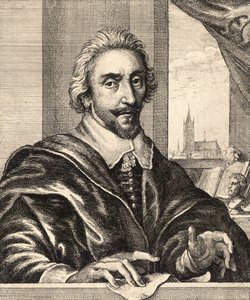
Адриаан Питерс ван дер Вэнне
1589 - 1662 , Нидерланды
Основные сведения
- Artistic Movement Or Style: Dutch Golden Age painting
- Artists Who Influenced This Artist:
- Jan Brueghel the Elder
- Pieter Brueghel the Elder
- Date Of Birth: 1589
- Date Of Death: 1662
- Full Name: Adriaen Pietersz van de Venne
- Nationality: Dutch
- Notable Artworks:
- Fishing for Souls
- Fools Have the Most Fun
- Place Of Birth: Delft, Netherlands
Похожие статьи

Рембрандт ван Рейн: Топ-25 шедевров великого голландского мастера | ArtsDot
Погрузитесь в мир великого Рембрандта! 25 шедевров голландского барокко, истории создания картин и уникальные техники художника. Купите репродукции картин Рембрандта высочайшего качества для вашего интерьера на ArtsDot.com
Theo van Doesburg: Pioneering De Stijl & the Evolution of Neo-Plasticism
Explore the revolutionary De Stijl movement & Neo-Plasticism with our expert guide. Discover Piet Mondrian, Theo van Doesburg, and the lasting impact of this influential art style. Learn about collecting & investing in De Stijl masterpieces.
Adriaen van Ostade: A Master of Dutch Genre Painting & Social Commentary
Explore the life & work of Adriaen van Ostade, a leading Dutch Golden Age painter. Discover his realistic genre scenes, social commentary, and lasting influence on art history. Learn more at ArtsDot.

О нас
Откройте для себя нашу историю! Мы привносим искусство мирового класса в вашу жизнь благодаря экспертному отбору, индивидуальным заказам и бесплатным обзорам. Одобрено частными лицами и компаниями с 2000 года.

Топ-25 шедевров Гойи: от придворного портрета до мрачных пророчеств | ArtsDot
Погрузитесь в мир гения Франсиско Гойи! 🎨 От придворных портретов до мрачных "Капричос" – исследуйте топ-25 шедевров испанского романтизма. Купите репродукции картин Гойи музейного качества на ArtsDot.com и украсьте свой интерьер искусством.