Предпросмотр
 Поделиться
 Поделиться
 Детали произведения

 Скачать
 Похожие работы
 Рентгенография
 Слайд-шоу
 Статистика
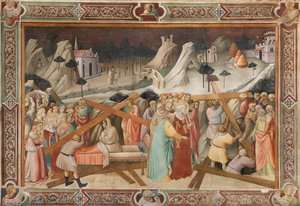
The Triumph of the Cross (detail)


 Читать далее
Масляная репродукция ручной работы
Картина маслом на холсте в выбранном вами размере и раме, написанная на заказ нашими художниками. ( Перейти к печати Перейти к цифровым изображениям)




P118B $10

P118H $10

P118W $10

P438Z $10

P508JH $12

P508YH $12

P805H $10

P805Z $10

P919BZ $10

P919G $10

P919XJ $10

P959ZH $10

P968JZ $12

W106C $8

W218G $10

W218JH $8

W218Y $10

W307PJ $10

W316G $10

W316PJ $8

W316Y $10

W398PJ $8

W4111J $10

W500HY $15

W500JH $15

W692G $12

W849H $8

W940BG $15

W953PJ $8
Выберите один из наших стандартных размеров, соответствующих оригинальным пропорциям произведения искусства.

Вы можете указать собственные размеры, чтобы картина идеально вписалась в выбранную раму или пространство. Если выбранный вами размер не соответствует пропорциям оригинала, мы либо обрежем полотно, либо расширим его за счет дополнительных элементов, написанных вручную. Цифровой макет будет отправлен вам на утверждение перед началом производства.
Обратите внимание, что предварительный просмотр на экране не отражает фактическую обрезку или расширение. Только макет точно покажет окончательную композицию.
Хотя доступны индивидуальные размеры, мы рекомендуем выбирать вариант из предопределенного списка, чтобы сохранить исходные пропорции.
После оформления заказа команда ArtsDot.com свяжется с клиентом по электронной почте для уточнения деталей и предоставит предварительный макет
Доставка по всему миру () за 3–4 недели вместо стандартных 5 недель. (14 Сентябрь). Без компромиссов в качестве.

Бесплатная экспресс-доставка по всему миру

Высококачественный льняной холст

Полное страхование доставки

Гарантия возмещения таможенных пошлин

Гарантия точного соответствия цветов

100-дневная политика возврата (только при обнаружении дефектов)

Гарантия возврата 100% средств

Предложение оптовых скидок
 Вариант со стеклом доступен только для размеров менее 110 см

The Triumph of the Cross (detail)
Техника репродукции
Размер репродукции
-


Итоговая стоимость
$ 263
The Triumph of the Cross: A Florentine Echo of Faith
Agnolo Gaddi’s “The Triumph of the Cross,” a breathtaking fresco fragment housed within the Basilica of Santa Croce in Florence, offers a profound glimpse into the artistic and spiritual landscape of late medieval Italy. Dating from around 1380, this work isn't merely a depiction of a pivotal biblical event; it’s a carefully constructed narrative imbued with the stylistic echoes of Giotto di Bondone – Gaddi’s revered master – yet subtly infused with his own burgeoning artistic vision. The fresco, meticulously executed in tempera and gold leaf on panel, captures a moment of intense religious drama: the culmination of the legend surrounding the True Cross, the very wood upon which Christ was crucified.
Gaddi's genius lies not just in his technical skill—evident in the remarkably detailed figures, the vibrant yet restrained palette dominated by reds, blues, and golds – but also in his ability to synthesize disparate influences. The composition is deeply rooted in the established conventions of Byzantine iconography, particularly in its hierarchical arrangement of figures and the use of symbolic gestures. However, Gaddi departs from strict adherence to tradition, introducing a greater sense of naturalism and emotional depth into the portrayal of the grieving onlookers. Notice, for instance, the subtle variations in facial expression—a hint of sorrow, contemplation, or even awe—that elevate these figures beyond mere decorative elements.
A Tapestry of Narrative and Symbolism
The fresco unfolds as a carefully orchestrated visual story. At its heart lies the central scene: a large cross adorned with a draped figure representing Jesus Christ, embodying both sacrifice and resurrection. Surrounding this focal point are numerous figures engaged in various acts of devotion and mourning. To the left, we encounter a group in prayer, their garments—richly embroidered robes and head coverings—suggesting a hierarchy of importance within the Christian community. Their postures convey a sense of solemn reverence, while their expressions hint at profound contemplation. On the right, celestial beings – angels rendered with delicate wings and ethereal features – appear to offer protection and witness the event.
Beyond the immediate narrative, “The Triumph of the Cross” is rich in symbolic meaning. The use of light and shadow—a hallmark of Gaddi’s style—creates a dramatic atmosphere, emphasizing the sacredness of the scene. The architectural backdrop, reminiscent of Florentine Gothic architecture, serves as a grounding element, anchoring the religious drama within a recognizable earthly context. The inclusion of figures like Saint Bernard and Saint Catherine, prominent saints associated with devotion and pilgrimage, further reinforces the fresco’s message of faith and spiritual journey.
Bridging Tradition and Innovation
Agnolo Gaddi's work represents a crucial transitional moment in Florentine art. He inherited Giotto’s revolutionary approach to depicting human form and emotion—a departure from the stylized, flattened figures of earlier Gothic painting—but he also began to explore new possibilities for spatial representation and compositional structure. His frescoes at Santa Croce demonstrate a growing confidence in creating dynamic scenes with a sense of depth and perspective, foreshadowing the innovations of the Early Renaissance masters like Masaccio and Brunelleschi.
Furthermore, Gaddi’s role as a merchant and art dealer—as documented by his biography—influenced his artistic practice. He was deeply involved in the commercial aspects of the art world, which likely shaped his approach to commissions and his understanding of the market for religious imagery. His legacy extends beyond this single fresco; he mentored artists like Cennino Cennini, whose treatise on art provides valuable insights into Gaddi’s techniques and artistic philosophy.
A Timeless Testament to Faith
“The Triumph of the Cross” is more than just a beautiful painting—it's a powerful testament to the enduring power of faith and the human desire for spiritual meaning. Its intricate details, evocative symbolism, and masterful execution continue to captivate viewers centuries after its creation. Whether viewed as a historical artifact or an artistic masterpiece, this fresco offers a profound glimpse into the heart of medieval Florence and the evolving relationship between art, religion, and society.
Похожие произведения
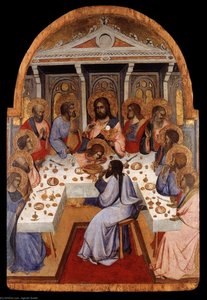
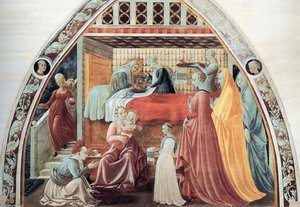
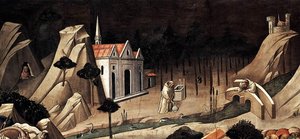
Биография художника
Agnolo Gaddi: Florentine Painter and the Last Echoes of Giotto
Agnolo Gaddi (c. 1350 – October 10, 1396) stands as a singular figure in the artistic panorama of Florence during the mid-XIV century—a descendant of Giotto di Bondone whose legacy transcended mere imitation, subtly reshaping the stylistic currents that would propel Florentine art toward the dawn of the Renaissance. He wasn’t merely perpetuating a tradition; he was skillfully navigating its transition, bridging the gap between Gothic grandeur and nascent humanist ideals. While often portrayed as “the last great Florentine painter descended from Giotto,” this categorization overlooks the profound complexity of his artistic journey—a journey marked by innovation tempered with respect for established conventions.A Familial Lineage Rooted in Innovation
Agnolo’s artistic lineage began with Taddeo Gaddi (1300 – 1366), himself a devoted pupil and protégé of Giotto di Bondone—the revolutionary artist who irrevocably altered the course of Western painting by introducing naturalism, emotional depth, and narrative clarity into Florentine art. This familial connection immediately positioned Agnolo within the epicenter of artistic ferment that Florence had become during Giotto’s lifetime—a city pulsating with intellectual curiosity and burgeoning economic prosperity. Taddeo's influence is palpable in Agnolo’s early works, particularly evident in his frescoes for San Jacopo tra i Fossi, where he skillfully employed dramatic lighting and expressive figures to convey the solemn grandeur of biblical narratives. This stylistic inheritance wasn’t simply a matter of copying Giotto’s techniques; it was about absorbing his spirit—a spirit that championed human emotion and sought to depict the divine within the earthly realm.The Gothic Legacy: Ornamentation, Light, and Emotional Resonance
Agnolo Gaddi's artistic style bears unmistakable traces of Gothic aesthetics—a fascination for ornate decoration, luminous illumination, and profound emotional resonance. Like Giotto before him, he embraced a visual language characterized by rich textural surfaces, intricate drapery folds, and carefully calibrated color palettes. However, Agnolo distinguished himself from his teacher through a subtle refinement of these elements—a move toward elegance and sophistication that reflected the evolving tastes of Florentine society. Consider the frescoes adorning Santa Croce—particularly those depicting the Legend of the True Cross. The monumental figures are imbued with palpable emotion, conveying both sorrow and awe—qualities that resonate deeply within the viewer’s experience. This expressive impulse is further amplified by Gaddi's masterful manipulation of light—creating dramatic chiaroscuro effects that heighten the visual impact of his compositions.Santa Croce: A Masterpiece of Narrative Painting
Among Agnolo Gaddi’s most celebrated achievements resides the monumental cycle of frescoes commissioned for Santa Croce—Florence’s cathedral dedicated to Saint Benedict—a project that cemented his reputation as one of Florence's foremost artists. These eight panels recount the biblical narrative of the True Cross, commencing with Michael the Archangel delivering a branch from the Tree of Knowledge to Seth—a scene rendered with breathtaking precision and imbued with palpable spiritual fervor. The frescoes exemplify Gaddi’s ability to synthesize Gothic grandeur with humanist sensibilities—capturing both the solemn majesty of religious iconography and the expressive dynamism characteristic of Early Renaissance art. Notably, Agnolo Gaddi included a portrait of himself within one of these panels—a testament to his confidence in his own artistic prowess and a poignant reminder of the artist's role as participant in the unfolding drama of Florentine culture.Beyond Santa Croce: Patronage, Technique, and Artistic Influence
Agnolo Gaddi’s artistic career extended beyond the cathedral walls—receiving commissions from wealthy patrons throughout Florence and Venice alike. His versatility as an artist is underscored by his involvement in diverse mediums—including tempera panels, mosaics, and sculptural medallions—demonstrating a mastery of technique that rivaled the greatest masters of his time. Furthermore, Gaddi exerted considerable influence on subsequent generations of Florentine painters—particularly Cennino Cennini, whose *Il Libro dell’Arte* acknowledges Gaddi as a pivotal figure in shaping artistic sensibilities. Cennini's treatise championed realism and meticulous observation—values that mirrored Gaddi’s own approach to painting—establishing him as a cornerstone of Italian art history. Agnolo Gaddi’s legacy endures not merely as an exemplar of Gothic style but as a conduit between tradition and innovation—a testament to the enduring power of artistic vision and craftsmanship.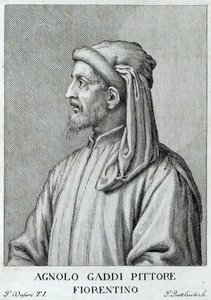
Агноло Гадди
1350 - 1396 , Италия
Основные сведения
- Artistic Movement Or Style: Gothic, Early Renaissance
- Artists Who Influenced This Artist:
- Taddeo Gaddi
- Giotto
- Date Of Birth: Florence, Italy (1350)
- Date Of Death: October 10, 1396
- Full Name: Agnolo Gaddi
- Nationality: Italian
- Notable Artworks:
- The Last Supper
- Crucifixion
- Discovery of True Cross
- Place Of Birth: Florence
Похожие статьи

The Enduring Legacy of Fresco Painting: Techniques, History & Contemporary Relevance
Explore the rich history & enduring artistry of fresco painting – from Giotto to Michelangelo! Discover techniques, conservation efforts, & modern applications. Learn how ArtsDot brings this timeless art form to your home.
Искусство, живущее с вами: эмоциональная сила индивидуальной интерьерной фрески
Узнайте о фресках в интерьере: история, технологии, выбор и уход. Создайте уникальный дизайн с экспертами! Качество и индивидуальный подход гарантированы.

Фреска как Семейное Наследие: Сохранение Истории в Искусстве Стен
Узнайте о фресках как семейном наследии! История, техника создания, реставрация и сохранение. Экспертные советы и вдохновение для вашего дома. .

The Enduring Legacy of Fresco: Technique, History & Artistic Expression Across Cultures
Explore the rich history & enduring legacy of fresco painting! Discover ancient techniques, Giotto's masterpieces, and modern applications. Expert insights for art lovers & professionals.
The Enduring Legacy of Fresco: Technique, History & Artistic Expression
Explore the rich history & enduring artistry of fresco painting. Discover techniques from Giotto to Michelangelo, conservation efforts, & modern applications. Learn how ArtsDot brings this timeless art form to your home.