

 Предпросмотр
 Поделиться
 Поделиться
 Детали произведения

 Скачать
 Похожие работы
 Рентгенография
 Слайд-шоу
 Статистика
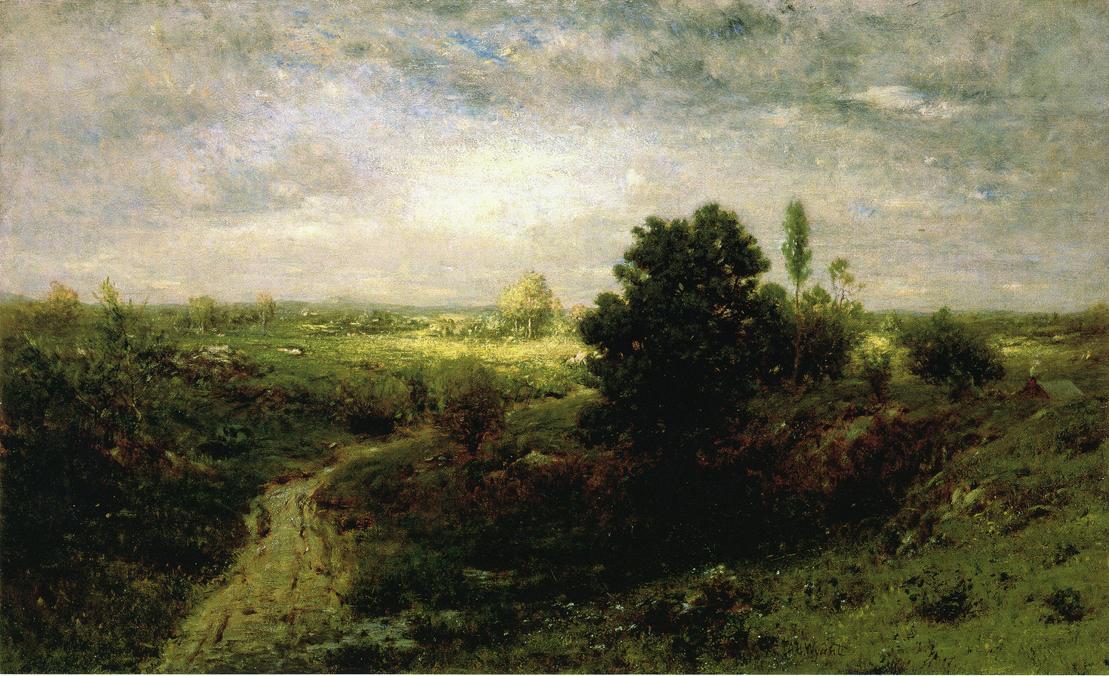
Keene Valley


 Читать далее
Приобретите цифровое изображение высокого разрешения в улучшенном качестве, которое значительно превосходит онлайн-превью.
Каждый файл тщательно подготавливается нашими специалистами с использованием передовых инструментов и экспертной ручной ретуши. Мы гарантируем исключительную четкость, точную цветопередачу и детальную проработку каждого изображения.
Финальный файл доставляется по электронной почте в течение 72 часов и оптимизирован для немедленного использования в профессиональной среде, при верстке и печати. Это тот же уровень качества, которому доверяют ведущие дизайнерские студии, издательства и галереи.
Цифровое изображение
Скачайте файл высокого разрешения для личного использования, печати и творческих проектов. ( Перейти к печати Купить картину ручной работы)
Включено в каждый заказ цифровых изображений
Гарантия экспертной цифровой доставки
Выбирая ArtsDot.com, вы получаете не просто изображение — вы приобретаете профессионально обработанное цифровое произведение искусства, созданное с безупречной точностью и под защитой гарантии качества. Вот всё, что автоматически входит в ваш заказ:

Мгновенная доставка по e-mail
Ваш цифровой файл в высоком разрешении будет отправлен вам по электронной почте в течение 72 часов после оформления заказа — и сразу станет доступен для использования.

Цифровой файл с ИИ-улучшением
Ваше произведение искусства проходит профессиональную оптимизацию с использованием передовых инструментов ИИ и ручной обработки, что гарантирует максимальную детализацию, четкость и точность цветопередачи.

Бессрочная бесплатная повторная доставка
Случайно удалили или потеряли файл? Не беспокойтесь — мы отправим его вам повторно в любое время и совершенно бесплатно.

Без импортных пошлин — навсегда
Наслаждайтесь вашим произведением искусства мгновенно без таможенных пошлин, сборов или затрат на доставку — цифровые загрузки всегда не облагаются налогом.

Гарантия точности цветопередачи
Мы гарантируем, что ваше цифровое изображение максимально точно передает оригинальные цвета благодаря использованию профессиональных инструментов и систем управления цветом.

Гарантия удовлетворенности 100 дней
Если вы не будете удовлетворены своим цифровым изображением, мы внесем правки или вернем 100% стоимости в течение 100 дней — без лишних вопросов.

100% Гарантия возврата средств
Не удовлетворены покупкой? Получите полный возврат средств в течение 100 дней после получения цифрового файла — без лишних вопросов.

Скидки на оптовые заказы
Купите 3 изображения, сэкономьте 10% — Купите 5, сэкономьте 15% — Купите 10+, сэкономьте 20%. Отличное решение для творческих проектов, галерей и агентств.
Alexander Helwig Wyant’s “Keene Valley”: A Poem of Light and Atmosphere
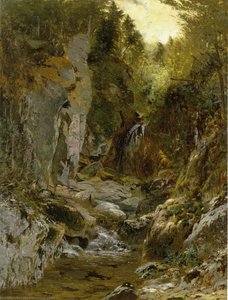
Alexander Helwig Wyant's "Keene Valley," painted in 1884-86, isn’t merely a landscape; it’s an immersion into the very soul of the Adirondack wilderness. This evocative work, now available as a fine art print through MeisterDrucke, captures not just the visual beauty of a valley nestled within New York's famed High Peaks region, but also the subtle, almost melancholic mood that defined Wyant’s distinctive artistic vision – a style he termed “atmospheric landscape.” The painting immediately draws the eye into a scene bathed in diffused light, a testament to Wyant’s mastery of tonalism and his deliberate rejection of hyper-realism. Instead of sharp details or vibrant colors, he employs a delicate layering of greys, browns, and blues to create an atmosphere thick with suggestion, inviting the viewer to complete the picture within their own imagination.
The Poet of Atmospheric Landscapes
Wyant’s artistic journey is as compelling as the landscapes he painted. Born in Port Washington, Ohio, in 1836, his early work aligned with the Hudson River School's romantic depictions of nature. However, a pivotal encounter with George Inness in New York City proved transformative. Inness’s emphasis on subtle tonal variations and atmospheric effects profoundly influenced Wyant, leading him to explore a more introspective and emotionally resonant approach. His subsequent travels through Europe – particularly his time studying Corot and Dupré in Paris and Hans Gude in Germany – further honed his skills, shaping his unique style. A debilitating stroke in 1873, which left him with partial paralysis of his right hand, ironically became a catalyst for innovation. Forced to adapt, Wyant learned to paint with his left hand, resulting in a looser, more expressive brushstroke that perfectly complemented his atmospheric vision.
Technique and Tonalism: A Delicate Dance
“Keene Valley” exemplifies Wyant’s signature tonalist technique. He achieved this effect through meticulous layering of thin glazes of oil paint, building up the image gradually over time. The absence of strong outlines and the reliance on subtle shifts in value create a sense of depth and atmosphere that is both captivating and profoundly moving. Notice how the distant mountains are rendered as hazy blue-grey masses, while the foreground trees appear almost sculpted from shadow. The use of light is particularly masterful – it’s not bright or direct, but rather diffused and reflected, lending the scene an ethereal quality. The painting's composition—a carefully balanced arrangement of trees, hills, and sky—guides the viewer’s eye through the landscape, fostering a sense of quiet contemplation.
Symbolism and Emotional Resonance
Beyond its technical brilliance, “Keene Valley” resonates with a deep emotional core. The painting isn't simply a depiction of a place; it’s an evocation of mood—a feeling of solitude, tranquility, and perhaps even a touch of melancholy. The muted palette and the hazy atmosphere suggest a timelessness, as if the scene exists outside of specific time or place. Some art historians interpret the painting as reflecting Wyant's own personal struggles with disability and loss, finding in the landscape a refuge from the challenges of his life. The valley itself, nestled within the majestic Adirondack Mountains, symbolizes resilience, strength, and the enduring beauty of nature—themes that are powerfully conveyed through Wyant’s masterful brushwork.
This exceptional reproduction offers an opportunity to bring this poignant and beautiful work into your home or office, allowing you to experience the quiet power of Alexander Helwig Wyant's artistic vision. It is a piece that speaks volumes without uttering a word, inviting contemplation and reminding us of the profound connection between humanity and the natural world.
Похожие произведения
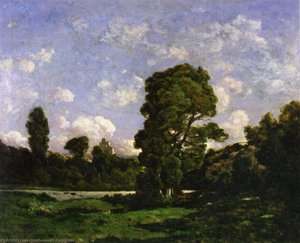
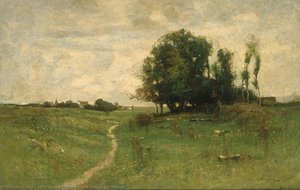
Биография художника
Alexander Helwig Wyant (1836–1892): A Poet of Atmospheric Landscapes
Alexander Helwig Wyant, born in Port Washington, Ohio, stands as a pivotal figure bridging the stylistic currents of the Hudson River School and Tonalism—a testament to American art’s capacity for innovation while retaining its connection to European traditions. He wasn't merely a painter *of* landscapes; he possessed an almost poetic sensibility, translating the subtle moods of nature onto canvas with remarkable sensitivity and nuance. His artistic journey began modestly, sketching along the banks of the Ohio River near Cincinnati, yet swiftly ascended into a vocation fueled by formative encounters and transformative experiences that would shape his oeuvre irrevocably.Early Influences and Artistic Formation
Wyant’s initial artistic endeavors bore the unmistakable imprint of the Hudson River School—a movement characterized by meticulous depictions of natural scenery and an ardent celebration of America's untamed wilderness. However, even within these early canvases, glimpses of his future trajectory emerge: a burgeoning preoccupation with atmospheric effects and a predilection for palettes imbued with subdued hues. This inclination intensified over time, propelling him away from purely representational painting toward the nascent aesthetic championed by Tonalism—a movement that prioritized mood, atmosphere, and poetic interpretation above precise detail. Crucially, Wyant’s artistic development was profoundly impacted by his acquaintance with George Inness in 1857. This encounter served as a catalyst for relocation to New York City, where he sought mentorship and formal training at the National Academy of Design—a patronage generously bestowed upon him by Nicholas Longworth of Cincinnati. The influence of Inness’s later style – particularly his masterful manipulation of tonal values – became an indelible mark on Wyant's artistic vision.European Exploration and Artistic Synthesis
A subsequent voyage to Europe in 1860 broadened Wyant’s intellectual horizons, exposing him to diverse artistic traditions flourishing in Germany and affording brief glimpses into the landscapes of England and Ireland. These formative experiences instilled within him a deep appreciation for European Impressionism and Barbizon painting—movements that championed *plein air* painting and prioritized capturing the ephemeral qualities of light and atmosphere. He studied diligently under Hans Gude in Düsseldorf and Karlsruhe, absorbing techniques honed by Norwegian masters who had pioneered similar approaches to landscape art. This synthesis of American and European influences resulted in a distinctive artistic style characterized by both meticulous observation and atmospheric resonance—a hallmark of Wyant’s oeuvre.The Shift Towards Tonalism and Artistic Maturity
Following his return from Europe, Wyant continued to refine his technique, gradually gravitating toward a more fluid handling of paint—a deliberate departure from the rigid conventions of academic painting. He embraced a palette dominated by whites, grays, and earthy tones—colors that allowed him to convey subtle emotional nuances within his landscapes. The debilitating stroke he suffered in 1873 – which paralyzed his right arm – presented an unforeseen challenge but spurred Wyant to adapt with remarkable resilience. Forced to paint exclusively with his left hand, he achieved a level of artistic mastery unparalleled by many of his contemporaries—a testament to his unwavering dedication and creative ingenuity. From 1867 onward, Wyant exhibited his watercolors annually, establishing the American Watercolor Society in 1878—a pivotal moment in furthering American watercolor painting as an art form.Legacy and Recognition
Wyant’s artistic legacy transcends mere technical proficiency; it resides in his profound understanding of the human condition reflected within his landscapes—a reflection of his belief that art should evoke emotion and inspire contemplation. His paintings, notably *Mohawk Valley* and *Arkville Autumn Landscape*, exemplify this ethos—capturing not just visual beauty but also intangible moods and sensations. Recognized primarily for his evocative depictions of woodland glades and open hillsides, Wyant’s work stands as a cornerstone of American Barbizon painting—a movement that championed *plein air* painting and prioritized capturing the fleeting effects of light and atmosphere. His enduring influence continues to inspire artists today, cementing his place as one of America's most celebrated landscape painters—a poet who transformed observation into art.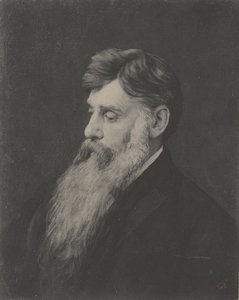
Александр Хельвиг Вайт
1836 - 1892 , Соединенные Штаты Америки
Основные сведения
- Artistic Movement Or Style: Тонализм и Художественная школа Хадсона
- Artists Or Movements Influenced By This Artist: ['Американское общество акварели']
- Artists Who Influenced This Artist:
- Джордж Иннес
- Джоан Констебл
- Джеймс Мэтью Уорстер
- Date Of Birth: Янв 11, 1836
- Date Of Death: Нояб 29, 1892
- Full Name: Alexander Helwig Wyant
- Nationality: Американский
- Notable Artworks:
- Мохокская долина
- Пейзаж Арквилл осень
- Place Of Birth: Порт Уэстпорт, США