

 Поделиться
 Поделиться
 Детали произведения

 Скачать
 Похожие работы
 Слайд-шоу
 Статистика
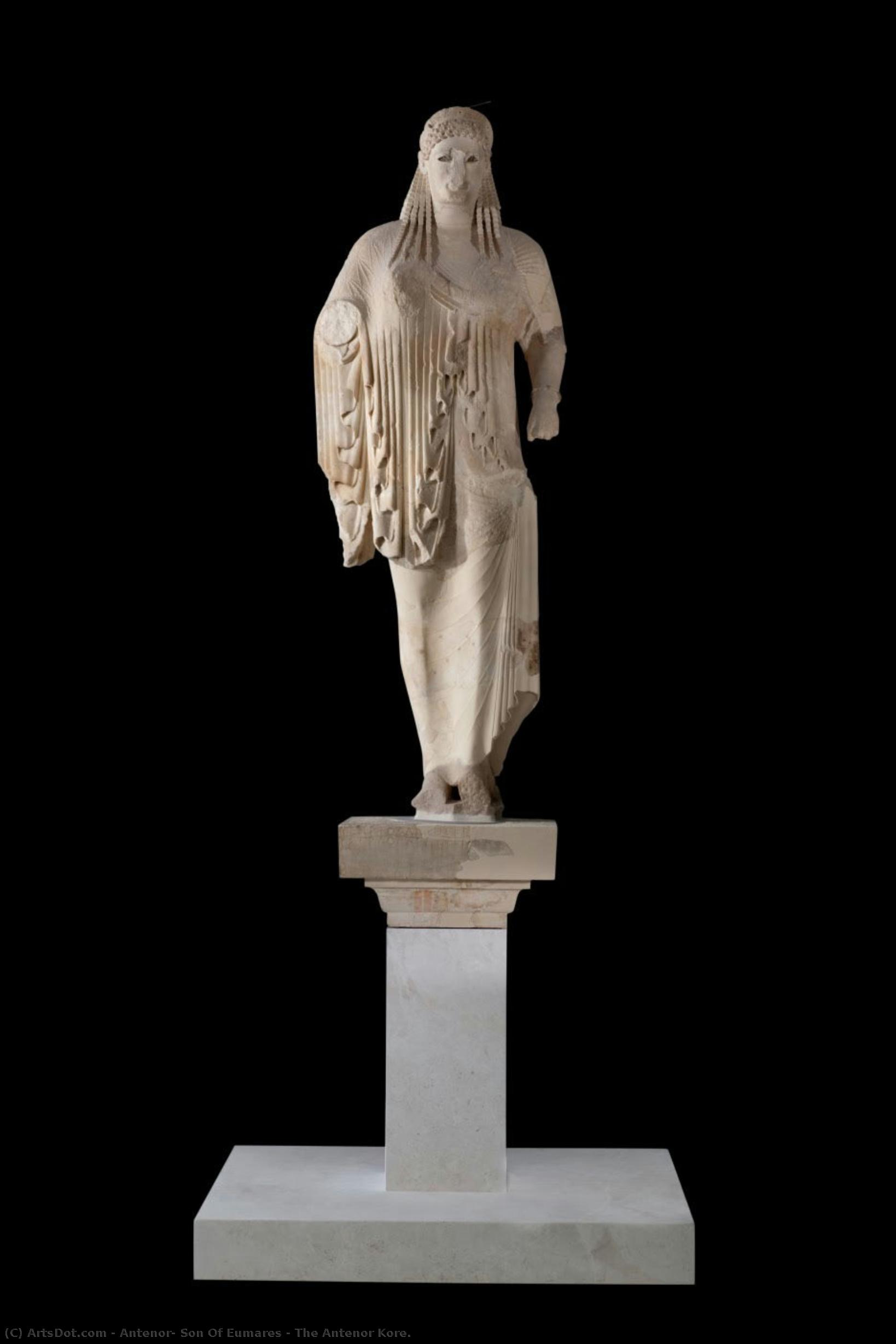
The Antenor Kore.


 Читать далее
Масляная репродукция ручной работы
Картина маслом на холсте в выбранном вами размере и раме, написанная на заказ нашими художниками. ( Перейти к печати Перейти к цифровым изображениям)




































Выберите один из наших стандартных размеров, соответствующих оригинальным пропорциям произведения искусства.

Вы можете указать собственные размеры, чтобы картина идеально вписалась в выбранную раму или пространство. Если выбранный вами размер не соответствует пропорциям оригинала, мы либо обрежем полотно, либо расширим его за счет дополнительных элементов, написанных вручную. Цифровой макет будет отправлен вам на утверждение перед началом производства.
Обратите внимание, что предварительный просмотр на экране не отражает фактическую обрезку или расширение. Только макет точно покажет окончательную композицию.
Хотя доступны индивидуальные размеры, мы рекомендуем выбирать вариант из предопределенного списка, чтобы сохранить исходные пропорции.
После оформления заказа команда ArtsDot.com свяжется с клиентом по электронной почте для уточнения деталей и предоставит предварительный макет
Доставка по всему миру () за 3–4 недели вместо стандартных 5 недель. (13 Сентябрь). Без компромиссов в качестве.

Бесплатная экспресс-доставка по всему миру

Высококачественный льняной холст

Полное страхование доставки

Гарантия возмещения таможенных пошлин

Гарантия точного соответствия цветов

100-дневная политика возврата (только при обнаружении дефектов)

Гарантия возврата 100% средств

Предложение оптовых скидок
 Вариант со стеклом доступен только для размеров менее 110 см

The Antenor Kore.
Техника репродукции
Размер репродукции
-


Итоговая стоимость
$ 263
Похожие произведения
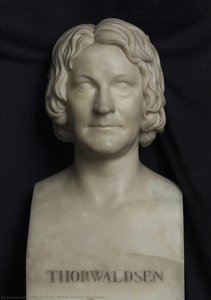
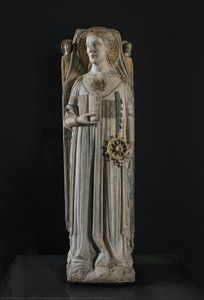
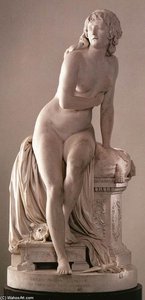
Биография художника
The Enigmatic Sculptor of Athenian Democracy: Antenor, Son of Eumares
Antenor, son of Eumares, remains a figure shrouded in the mists of sixth-century BCE Athens—a sculptor whose name is inextricably linked to the nascent spirit of democracy and the powerful symbolism that would define its early years. While biographical details are scarce, piecing together fragments from ancient texts and archaeological discoveries allows us to glimpse the life and artistry of this pivotal Athenian craftsman. Born in Athens, his existence coincides with a period of significant political upheaval, transitioning from tyranny under Hippias to the foundations of self-governance. He wasn’t merely a technician shaping stone; he was an active participant in defining the visual language of a new era, one that celebrated civic virtue and collective action. The very fact that his work was commissioned by the Athenian state following Hippias's expulsion speaks volumes about the trust placed in him to embody the ideals of freedom and resistance.The Tyrannicides: A Monument to Liberation
Antenor’s most celebrated achievement, and the one for which he is primarily remembered today, is his creation of the joint statues depicting Harmodius and Aristogeiton—the tyrannicides who assassinated Hippias's son, Tyranus, in 514 BCE. This act, though initially chaotic and ultimately unsuccessful in immediately overthrowing the tyranny, became a potent symbol of Athenian defiance. The commission for these bronze figures was not simply about commemorating two individuals; it was about solidifying a narrative of liberation and inspiring future generations to resist oppression. The statues weren’t intended as idealized portraits but rather as representations of courageous citizens willing to sacrifice everything for the common good. Plutarch, in his *Lives*, describes the profound impact these sculptures had on Athenian society, noting how they were venerated and even offered sacrifices. The figures stood not merely as art objects but as active participants in the civic life of Athens, influencing political discourse and reinforcing a sense of collective identity. The subsequent fate of these statues—their seizure by Xerxes I during the Persian Wars—further underscores their symbolic importance to both the Athenians and their adversaries; they were trophies representing Athenian spirit, deemed worthy of being displayed as spoils of war in Susa.Beyond Bronze: The Antenor Kore and Archaic Style
While the Tyrannicides represent Antenor’s most famous work, archaeological evidence reveals a broader artistic scope. The discovery of a basis signed by “Antenor son of Eumares” associated with a set of female figures in an archaic style displayed on the Acropolis suggests he was also proficient in creating *Kore* sculptures—the standing, draped maidens characteristic of early Greek art. These Kore figures, though less well-known than his bronze work, demonstrate Antenor’s mastery of marble carving and his adherence to the stylistic conventions of the Archaic period. The archaic style, with its rigid poses, stylized features, and emphasis on symmetry, was undergoing a gradual evolution during Antenor's lifetime. His Kore sculptures likely reflect this transition, showcasing both traditional elements and subtle innovations in drapery and anatomical representation. This suggests he wasn’t simply replicating existing forms but actively contributing to the development of Greek sculpture.Influences and Artistic Development
Pinpointing Antenor's specific artistic influences is challenging given the limited surviving evidence from this period. However, it’s reasonable to assume he was familiar with the sculptural traditions of Egypt and the Near East—cultures that exerted a significant influence on early Greek art. The rigid poses and stylized features characteristic of his Kore sculptures bear resemblance to Egyptian statuary, while the emphasis on detailed drapery may reflect influences from other Eastern cultures. His work also demonstrates an understanding of earlier Greek sculptors, building upon existing techniques and gradually refining them. The transition from the more static forms of early Archaic sculpture to the dynamic poses of his Tyrannicides suggests a deliberate artistic development, driven by both technical skill and a desire to capture movement and emotion. It’s important to note that sculptural workshops in ancient Greece were often collaborative endeavors, making it difficult to isolate the contributions of individual artists. Antenor likely worked alongside other sculptors, exchanging ideas and techniques, contributing to the collective evolution of Greek art.Legacy and Historical Significance
Antenor’s legacy extends far beyond his surviving sculptures. He represents a crucial link between the archaic and classical periods of Greek art—a sculptor who helped lay the foundations for the masterpieces that would define the Golden Age of Athens. His Tyrannicides, though lost to time, served as a powerful symbol of Athenian democracy, inspiring generations of artists and citizens alike. The very act of commissioning these statues by the state demonstrates the growing importance of public art in shaping civic identity and reinforcing political ideals.- His work embodies the spirit of resistance against tyranny.
- He contributed to the development of both bronze casting and marble carving techniques.
- Antenor’s sculptures played a vital role in defining the visual language of early Athenian democracy.
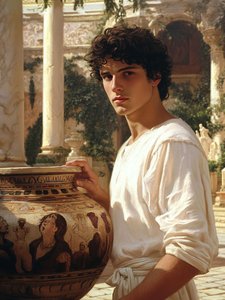
antenor, son of eumares
Greece
Основные сведения
- Artistic Movement Or Style: Archaic Style
- Artists Or Movements Influenced By This Artist: ['Classical Art']
- Artists Who Influenced This Artist: ['Euphranor']
- Full Name: Antenor, son of Eumares
- Nationality: Greek
- Notable Artworks:
- Tyrannicides statues
- Antenor Kore
- Place Of Birth: Athens, Greece
Похожие статьи
The Enduring Legacy of Marble: A Comprehensive Exploration of Technique, Symbolism & Artistic Expression
Explore the rich history of marble sculpture from antiquity to the Renaissance! Discover key techniques, influential artists & enduring themes in classical art. Expert insights for collectors and enthusiasts at ArtsDot.

The Enduring Form: Sculpture Across History, Technique & Emotional Resonance
Explore the rich history of sculpture with ArtsDot. Discover key techniques, influential artists & investment potential for discerning collectors. Expert insights into valuing and collecting timeless masterpieces.

The Enduring Form: Exploring Themes & Techniques in Sculpture Across Historical Periods
Explore the rich history of sculpture from ancient masterpieces to contemporary innovations. Discover key techniques, influential artists & investment potential for discerning art collectors.
The Enduring Allure of Marble in Art History: From Classical Sculpture to Modern Abstraction
Explore the captivating history of marble sculpture from ancient Greece to modern art. Discover renowned artists like Canova & Michelangelo, carving techniques, and investment insights at ArtsDot.

10 легендарных бронзовых скульптур, изменивших искусство навсегда | ArtsDot
Погрузитесь в мир великих бронзовых скульптур! От Давида Микеланджело до работ Родена – история искусства, техники и вдохновения. Купите репродукции шедевров для вашего интерьера на ArtsDot.com