

 Поделиться
 Поделиться
 Детали произведения

 Скачать
 Похожие работы
 Слайд-шоу
 Статистика
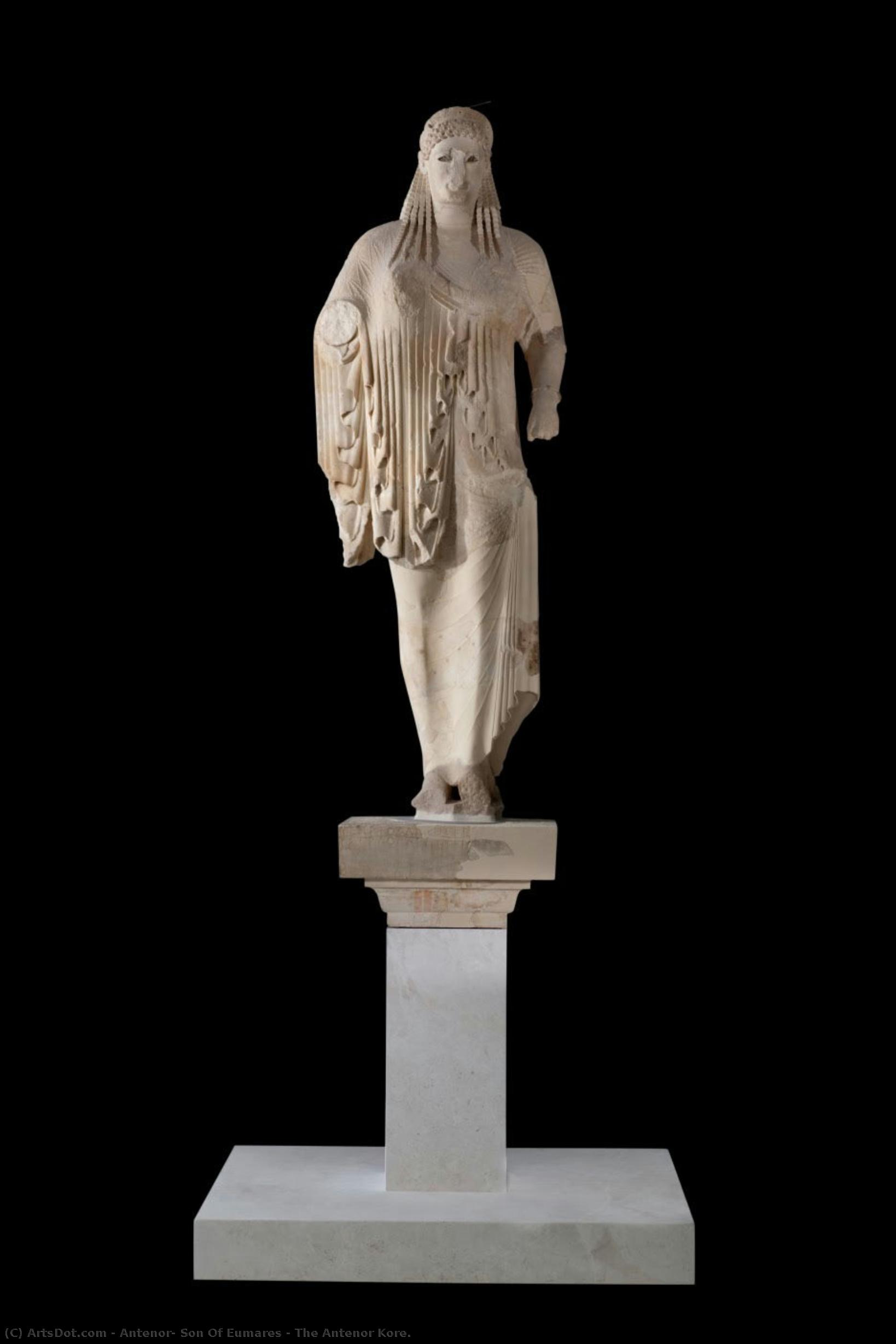
The Antenor Kore.


 Читать далее
Приобретите цифровое изображение высокого разрешения в улучшенном качестве, которое значительно превосходит онлайн-превью.
Каждый файл тщательно подготавливается нашими специалистами с использованием передовых инструментов и экспертной ручной ретуши. Мы гарантируем исключительную четкость, точную цветопередачу и детальную проработку каждого изображения.
Финальный файл доставляется по электронной почте в течение 72 часов и оптимизирован для немедленного использования в профессиональной среде, при верстке и печати. Это тот же уровень качества, которому доверяют ведущие дизайнерские студии, издательства и галереи.
Цифровое изображение
Скачайте файл высокого разрешения для личного использования, печати и творческих проектов. ( Перейти к печати Купить картину ручной работы)
Включено в каждый заказ цифровых изображений
Гарантия экспертной цифровой доставки
Выбирая ArtsDot.com, вы получаете не просто изображение — вы приобретаете профессионально обработанное цифровое произведение искусства, созданное с безупречной точностью и под защитой гарантии качества. Вот всё, что автоматически входит в ваш заказ:

Мгновенная доставка по e-mail
Ваш цифровой файл в высоком разрешении будет отправлен вам по электронной почте в течение 72 часов после оформления заказа — и сразу станет доступен для использования.

Цифровой файл с ИИ-улучшением
Ваше произведение искусства проходит профессиональную оптимизацию с использованием передовых инструментов ИИ и ручной обработки, что гарантирует максимальную детализацию, четкость и точность цветопередачи.

Бессрочная бесплатная повторная доставка
Случайно удалили или потеряли файл? Не беспокойтесь — мы отправим его вам повторно в любое время и совершенно бесплатно.

Без импортных пошлин — навсегда
Наслаждайтесь вашим произведением искусства мгновенно без таможенных пошлин, сборов или затрат на доставку — цифровые загрузки всегда не облагаются налогом.

Гарантия точности цветопередачи
Мы гарантируем, что ваше цифровое изображение максимально точно передает оригинальные цвета благодаря использованию профессиональных инструментов и систем управления цветом.

Гарантия удовлетворенности 100 дней
Если вы не будете удовлетворены своим цифровым изображением, мы внесем правки или вернем 100% стоимости в течение 100 дней — без лишних вопросов.

100% Гарантия возврата средств
Не удовлетворены покупкой? Получите полный возврат средств в течение 100 дней после получения цифрового файла — без лишних вопросов.

Скидки на оптовые заказы
Купите 3 изображения, сэкономьте 10% — Купите 5, сэкономьте 15% — Купите 10+, сэкономьте 20%. Отличное решение для творческих проектов, галерей и агентств.
Похожие произведения
Биография художника
The Enigmatic Sculptor of Athenian Democracy: Antenor, Son of Eumares
Antenor, son of Eumares, remains a figure shrouded in the mists of sixth-century BCE Athens—a sculptor whose name is inextricably linked to the nascent spirit of democracy and the powerful symbolism that would define its early years. While biographical details are scarce, piecing together fragments from ancient texts and archaeological discoveries allows us to glimpse the life and artistry of this pivotal Athenian craftsman. Born in Athens, his existence coincides with a period of significant political upheaval, transitioning from tyranny under Hippias to the foundations of self-governance. He wasn’t merely a technician shaping stone; he was an active participant in defining the visual language of a new era, one that celebrated civic virtue and collective action. The very fact that his work was commissioned by the Athenian state following Hippias's expulsion speaks volumes about the trust placed in him to embody the ideals of freedom and resistance.The Tyrannicides: A Monument to Liberation
Antenor’s most celebrated achievement, and the one for which he is primarily remembered today, is his creation of the joint statues depicting Harmodius and Aristogeiton—the tyrannicides who assassinated Hippias's son, Tyranus, in 514 BCE. This act, though initially chaotic and ultimately unsuccessful in immediately overthrowing the tyranny, became a potent symbol of Athenian defiance. The commission for these bronze figures was not simply about commemorating two individuals; it was about solidifying a narrative of liberation and inspiring future generations to resist oppression. The statues weren’t intended as idealized portraits but rather as representations of courageous citizens willing to sacrifice everything for the common good. Plutarch, in his *Lives*, describes the profound impact these sculptures had on Athenian society, noting how they were venerated and even offered sacrifices. The figures stood not merely as art objects but as active participants in the civic life of Athens, influencing political discourse and reinforcing a sense of collective identity. The subsequent fate of these statues—their seizure by Xerxes I during the Persian Wars—further underscores their symbolic importance to both the Athenians and their adversaries; they were trophies representing Athenian spirit, deemed worthy of being displayed as spoils of war in Susa.Beyond Bronze: The Antenor Kore and Archaic Style
While the Tyrannicides represent Antenor’s most famous work, archaeological evidence reveals a broader artistic scope. The discovery of a basis signed by “Antenor son of Eumares” associated with a set of female figures in an archaic style displayed on the Acropolis suggests he was also proficient in creating *Kore* sculptures—the standing, draped maidens characteristic of early Greek art. These Kore figures, though less well-known than his bronze work, demonstrate Antenor’s mastery of marble carving and his adherence to the stylistic conventions of the Archaic period. The archaic style, with its rigid poses, stylized features, and emphasis on symmetry, was undergoing a gradual evolution during Antenor's lifetime. His Kore sculptures likely reflect this transition, showcasing both traditional elements and subtle innovations in drapery and anatomical representation. This suggests he wasn’t simply replicating existing forms but actively contributing to the development of Greek sculpture.Influences and Artistic Development
Pinpointing Antenor's specific artistic influences is challenging given the limited surviving evidence from this period. However, it’s reasonable to assume he was familiar with the sculptural traditions of Egypt and the Near East—cultures that exerted a significant influence on early Greek art. The rigid poses and stylized features characteristic of his Kore sculptures bear resemblance to Egyptian statuary, while the emphasis on detailed drapery may reflect influences from other Eastern cultures. His work also demonstrates an understanding of earlier Greek sculptors, building upon existing techniques and gradually refining them. The transition from the more static forms of early Archaic sculpture to the dynamic poses of his Tyrannicides suggests a deliberate artistic development, driven by both technical skill and a desire to capture movement and emotion. It’s important to note that sculptural workshops in ancient Greece were often collaborative endeavors, making it difficult to isolate the contributions of individual artists. Antenor likely worked alongside other sculptors, exchanging ideas and techniques, contributing to the collective evolution of Greek art.Legacy and Historical Significance
Antenor’s legacy extends far beyond his surviving sculptures. He represents a crucial link between the archaic and classical periods of Greek art—a sculptor who helped lay the foundations for the masterpieces that would define the Golden Age of Athens. His Tyrannicides, though lost to time, served as a powerful symbol of Athenian democracy, inspiring generations of artists and citizens alike. The very act of commissioning these statues by the state demonstrates the growing importance of public art in shaping civic identity and reinforcing political ideals.- His work embodies the spirit of resistance against tyranny.
- He contributed to the development of both bronze casting and marble carving techniques.
- Antenor’s sculptures played a vital role in defining the visual language of early Athenian democracy.
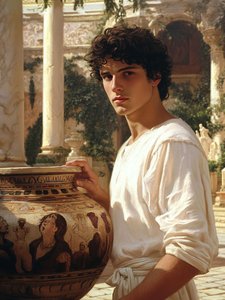
antenor, son of eumares
Greece
Основные сведения
- Artistic Movement Or Style: Archaic Style
- Artists Or Movements Influenced By This Artist: ['Classical Art']
- Artists Who Influenced This Artist: ['Euphranor']
- Full Name: Antenor, son of Eumares
- Nationality: Greek
- Notable Artworks:
- Tyrannicides statues
- Antenor Kore
- Place Of Birth: Athens, Greece