

 Предпросмотр
 Поделиться
 Поделиться
 Детали произведения

 Скачать
 Похожие работы
 Рентгенография
 Слайд-шоу
 Статистика
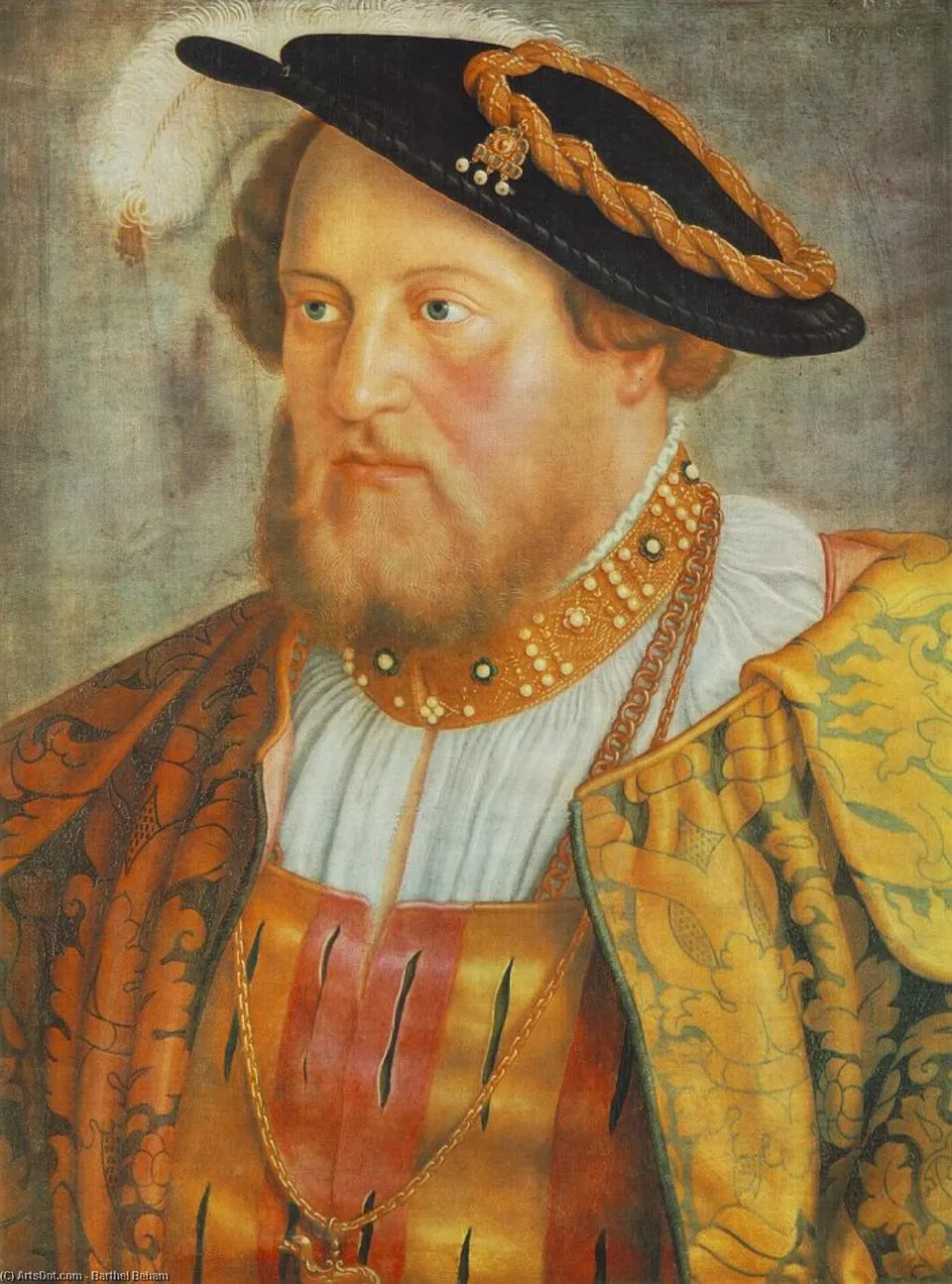
Portrait of Ottheinrich, Prince of Pfalz
 Oil On Canvas
- WallArt
- German Renaissance
 1535
1535- Renaissance
 43.0 x 32.0 cm
 Альте Пинакотека
 Читать далее
Приобретите цифровое изображение высокого разрешения в улучшенном качестве, которое значительно превосходит онлайн-превью.
Каждый файл тщательно подготавливается нашими специалистами с использованием передовых инструментов и экспертной ручной ретуши. Мы гарантируем исключительную четкость, точную цветопередачу и детальную проработку каждого изображения.
Финальный файл доставляется по электронной почте в течение 72 часов и оптимизирован для немедленного использования в профессиональной среде, при верстке и печати. Это тот же уровень качества, которому доверяют ведущие дизайнерские студии, издательства и галереи.
Цифровое изображение
Скачайте файл высокого разрешения для личного использования, печати и творческих проектов. ( Перейти к печати Купить картину ручной работы)
Включено в каждый заказ цифровых изображений
Гарантия экспертной цифровой доставки
Выбирая ArtsDot.com, вы получаете не просто изображение — вы приобретаете профессионально обработанное цифровое произведение искусства, созданное с безупречной точностью и под защитой гарантии качества. Вот всё, что автоматически входит в ваш заказ:

Мгновенная доставка по e-mail
Ваш цифровой файл в высоком разрешении будет отправлен вам по электронной почте в течение 72 часов после оформления заказа — и сразу станет доступен для использования.

Цифровой файл с ИИ-улучшением
Ваше произведение искусства проходит профессиональную оптимизацию с использованием передовых инструментов ИИ и ручной обработки, что гарантирует максимальную детализацию, четкость и точность цветопередачи.

Бессрочная бесплатная повторная доставка
Случайно удалили или потеряли файл? Не беспокойтесь — мы отправим его вам повторно в любое время и совершенно бесплатно.

Без импортных пошлин — навсегда
Наслаждайтесь вашим произведением искусства мгновенно без таможенных пошлин, сборов или затрат на доставку — цифровые загрузки всегда не облагаются налогом.

Гарантия точности цветопередачи
Мы гарантируем, что ваше цифровое изображение максимально точно передает оригинальные цвета благодаря использованию профессиональных инструментов и систем управления цветом.

Гарантия удовлетворенности 100 дней
Если вы не будете удовлетворены своим цифровым изображением, мы внесем правки или вернем 100% стоимости в течение 100 дней — без лишних вопросов.

100% Гарантия возврата средств
Не удовлетворены покупкой? Получите полный возврат средств в течение 100 дней после получения цифрового файла — без лишних вопросов.

Скидки на оптовые заказы
Купите 3 изображения, сэкономьте 10% — Купите 5, сэкономьте 15% — Купите 10+, сэкономьте 20%. Отличное решение для творческих проектов, галерей и агентств.
A Glimpse into Princely Power: Portrait of Ottheinrich
To stand before this portrait is to step directly into the opulent, charged atmosphere of the early sixteenth century German court. The Portrait of Ottheinrich, Prince of Pfalz, executed around 1535, is far more than a mere likeness; it is a carefully constructed statement of authority, lineage, and worldly status. The subject commands attention with a gaze that is both penetrating and undeniably stern, framed by the rich textures of his yellow garments and the weight of his princely regalia. One senses the gravity of expectation emanating from him—a man accustomed to being observed, judged, and revered.
The Craftsmanship of the Little Master
While the subject matter speaks of high nobility, the hand that captured this vision belongs to Barthel Beham, an artist whose mastery defined the German Renaissance. Though Beham is celebrated for his exquisite engravings, his ability to render such detailed portraiture showcases a profound understanding of human form and textile rendering. Observe the meticulous detail in the folds of the yellow coat, the subtle sheen on the crown, and the careful depiction of his beard and mustache. This level of precision speaks to an artist who was not merely recording reality but elevating it through skilled observation and technical virtuosity. The inclusion of secondary figures and the background elements—the visible clock against the wall—ground the portrait in a specific moment, lending it an air of documentary importance.
Historical Echoes and Courtly Symbolism
The year 1535 places this work at a fascinating crossroads in European history. The sitter’s attire speaks volumes about the political landscape; every element, from the necklace to the cut of his robes, is a coded message understood by those within his circle. These portraits were essential tools for projecting power across vast distances. For the modern collector or designer, understanding this symbolism adds an incredible layer of depth. It invites contemplation on how appearance was inextricably linked to actual authority during that era—a timeless commentary on status itself.
Bringing Renaissance Grandeur Home
For those seeking to infuse a space with the gravitas and artistry of the German Renaissance, a high-quality reproduction of this piece offers an unparalleled opportunity. Imagine this portrait gracing a formal drawing-room or a library; it acts as an immediate focal point, whispering tales of princes, courts, and meticulous craftsmanship across centuries. The rich palette, even in reproduction, retains its historical warmth, while the narrative tension held within Beham’s rendering ensures that the viewer remains engaged, drawn into the solemn dignity of Prince Ottheinrich.
Похожие произведения

Биография художника
Barthel Beham (1502–1540): The Little Master of Nuremberg
Barthel Beham (1502–1540) stands as a pivotal figure in the German Renaissance printmaking tradition, earning him the moniker “Little Master” – a testament to his extraordinary skill and meticulous detail. Born in Nuremberg, Germany, he was steeped in artistic heritage from birth, inheriting talent from his elder brother Hans Sebald Beham and absorbing invaluable lessons from Albrecht Dürer himself. This formative influence shaped his distinctive style and propelled him to become one of the most celebrated engravers of his era.- Early Life & Training: Barthel’s artistic journey commenced under the tutelage of Hans Sebald, who instilled in him a profound understanding of engraving techniques – a craft that would define Beham's career. Dürer’s workshop served as another crucible for innovation and stylistic refinement, fostering Beham’s fascination with realism and compositional complexity.
- Engraving Mastery: Beham quickly established himself as a prodigious engraver, producing stunningly precise miniature prints that captivated audiences across Europe. His output during the 1520s exemplifies the “Little Masters” school – characterized by unparalleled accuracy and artistic ambition. Subjects ranged from biblical narratives to portraits of noblemen and humanist scholars, demonstrating his versatility and technical prowess.
- The Godless Painters & Exile: Beham’s unwavering skepticism regarding Lutheran dogma led to his expulsion from Nuremberg in 1525 alongside Hans Sebald and Georg Pencz – a controversial decision that nonetheless spurred him toward intellectual exploration and artistic experimentation. This exile fostered connections with humanist circles and broadened his horizons beyond the confines of Nuremberg’s religious conservatism.
- Munich & Patronage: Following papal pardon, Beham relocated to Munich where he found favor with Duke William IV and Ludwig X – securing lucrative commissions that allowed him to hone his artistic skills further. He became renowned for his portraiture, capturing the dignity and grandeur of Bavarian royalty with remarkable sensitivity and detail.
- Legacy & Influence: Barthel Beham died in Italy during a diplomatic mission under the patronage of William IV, marking the end of an illustrious career. His work continues to inspire admiration for its technical brilliance and humanist vision—a lasting contribution to German art history and a cornerstone of Renaissance printmaking.
Notable Works & Artistic Style
Beham’s artistic style is instantly recognizable by its meticulous realism, achieved through painstaking engraving processes. He prioritized capturing subtle nuances of expression and anatomical accuracy—a hallmark of Dürer's influence. His prints often incorporated complex compositions and dramatic lighting effects, elevating them beyond mere reproductions to become independent works of art. Consider his depiction of Chancellor Leonhard von Eck (1480–1550), a masterpiece showcasing the artist’s ability to convey psychological depth through portraiture. Similarly, “Portrait of a Man” exemplifies Beham's dedication to capturing human form with unparalleled precision and artistic sensitivity.Connections & Collaborations
Barthel Beham benefited greatly from collaborations with prominent artists of his time, notably Marcantonio Raimondi—with whom he worked in Bologna and Rome during the early 1530s. These partnerships exposed him to innovative techniques and broadened his artistic repertoire. Furthermore, his brother Hans Sebald’s involvement ensured a shared artistic vision and fostered a dynamic creative environment within Nuremberg's artistic community.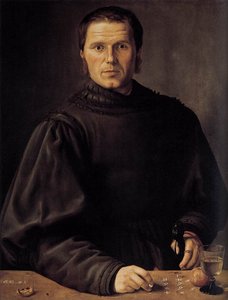
barthel beham
1502 - 1540 , Germany
Основные сведения
- Artistic Movement Or Style: Little Masters
- Artists Or Movements Influenced By This Artist: ['Marcantonio Raimondi']
- Artists Who Influenced This Artist: ['Albrecht Dürer']
- Date Of Birth: 1502
- Full Name: Barthel Beham
- Nationality: German
- Notable Artworks:
- Portrait of a Man
- Portrait of Duke Ludwig X of Bavaria
- Place Of Birth: Nuremberg, Germany