

 Предпросмотр
 Поделиться
 Поделиться
 Детали произведения

 Скачать
 Похожие работы
 Рентгенография
 Слайд-шоу
 Статистика
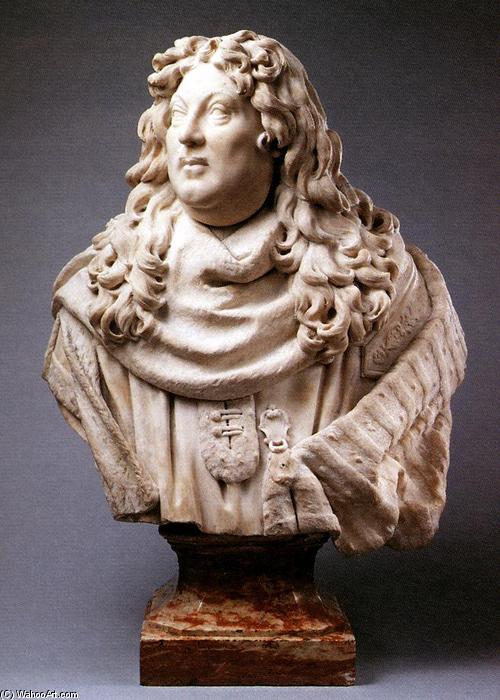
President Marin


 Читать далее
Приобретите цифровое изображение высокого разрешения в улучшенном качестве, которое значительно превосходит онлайн-превью.
Каждый файл тщательно подготавливается нашими специалистами с использованием передовых инструментов и экспертной ручной ретуши. Мы гарантируем исключительную четкость, точную цветопередачу и детальную проработку каждого изображения.
Финальный файл доставляется по электронной почте в течение 72 часов и оптимизирован для немедленного использования в профессиональной среде, при верстке и печати. Это тот же уровень качества, которому доверяют ведущие дизайнерские студии, издательства и галереи.
Цифровое изображение
Скачайте файл высокого разрешения для личного использования, печати и творческих проектов. ( Перейти к печати Купить картину ручной работы)
Включено в каждый заказ цифровых изображений
Гарантия экспертной цифровой доставки
Выбирая ArtsDot.com, вы получаете не просто изображение — вы приобретаете профессионально обработанное цифровое произведение искусства, созданное с безупречной точностью и под защитой гарантии качества. Вот всё, что автоматически входит в ваш заказ:

Мгновенная доставка по e-mail
Ваш цифровой файл в высоком разрешении будет отправлен вам по электронной почте в течение 72 часов после оформления заказа — и сразу станет доступен для использования.

Цифровой файл с ИИ-улучшением
Ваше произведение искусства проходит профессиональную оптимизацию с использованием передовых инструментов ИИ и ручной обработки, что гарантирует максимальную детализацию, четкость и точность цветопередачи.

Бессрочная бесплатная повторная доставка
Случайно удалили или потеряли файл? Не беспокойтесь — мы отправим его вам повторно в любое время и совершенно бесплатно.

Без импортных пошлин — навсегда
Наслаждайтесь вашим произведением искусства мгновенно без таможенных пошлин, сборов или затрат на доставку — цифровые загрузки всегда не облагаются налогом.

Гарантия точности цветопередачи
Мы гарантируем, что ваше цифровое изображение максимально точно передает оригинальные цвета благодаря использованию профессиональных инструментов и систем управления цветом.

Гарантия удовлетворенности 100 дней
Если вы не будете удовлетворены своим цифровым изображением, мы внесем правки или вернем 100% стоимости в течение 100 дней — без лишних вопросов.

100% Гарантия возврата средств
Не удовлетворены покупкой? Получите полный возврат средств в течение 100 дней после получения цифрового файла — без лишних вопросов.

Скидки на оптовые заказы
Купите 3 изображения, сэкономьте 10% — Купите 5, сэкономьте 15% — Купите 10+, сэкономьте 20%. Отличное решение для творческих проектов, галерей и агентств.
A Sculptor's Echoes: Christophe Veyrier and the Legacy of Puget
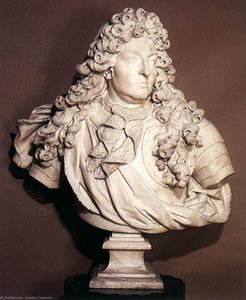
Christophe Veyrier’s “President Marin,” sculpted in 1670, embodies the spirit of French Baroque artistry—a captivating blend of classical elegance and dramatic dynamism. While undeniably influenced by Pierre Puget’s groundbreaking approach to marble sculpture, Veyrier forged his own distinctive path, drawing inspiration from his formative years spent amidst the artistic vibrancy of Genoa.
Style & Technique: Puget's influence is palpable in Veyrier’s meticulous attention to drapery and anatomical accuracy. However, unlike Puget’s often monumental figures, “President Marin” possesses a refined grace, prioritizing subtlety and expressive nuance. The sculptor skillfully employed Carrara marble—renowned for its purity of color and ability to capture intricate detail—to achieve this effect. Veyrier meticulously carved the bust with painstaking precision, utilizing chisels and rasps to sculpt away excess material, revealing the underlying form with remarkable finesse.
Historical Context: The sculpture emerged during a period of significant artistic innovation in France, coinciding with the reign of Louis XIV—the “Sun King”—who championed opulent Baroque aesthetics. Genoa’s influence is equally noteworthy; Veyrier had traveled extensively throughout Italy during his youth, absorbing the stylistic conventions of Venetian and Florentine sculptors. This exposure fostered an appreciation for classical ideals alongside Baroque exuberance, shaping Veyrier's artistic vision.
Symbolism & Emotion: The bust depicts Marin Mersenne (1639-1707), a prominent French philosopher and mathematician whose intellectual pursuits challenged established dogma. While the precise symbolism embedded within the sculpture remains open to interpretation, Mersenne’s dignified pose conveys an aura of contemplation and erudition—reflecting the humanist values prevalent during the Baroque era. The artist's masterful rendering of marble captures not only physical form but also psychological depth, inviting viewers to contemplate the complexities of human intellect.
Conclusion: “President Marin” stands as a testament to Veyrier’s artistic prowess and his unwavering commitment to exploring the interplay between tradition and innovation. It exemplifies the Baroque ideal—to elevate the viewer's spirit through beauty and contemplation—leaving an indelible mark on the history of sculpture and continuing to inspire admiration for its timeless elegance.
Похожие произведения

Биография художника
Christophe Veyrier: A Sculptor Shaped by Puget and Genoa
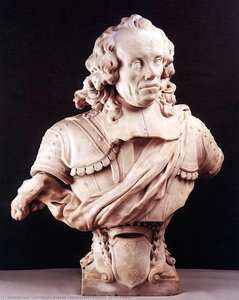
Christophe Veyrier (25 June 1637 – 10 June 1689) stands as a testament to the artistic fervor of the French Baroque, firmly rooted in the legacy of Pierre Puget but profoundly impacted by his formative years spent in Genoa. Born in Trets, Provence, France, he inherited a talent for sculpture from his uncle, Pierre Puget—a celebrated artist known for his expressive marble figures and masterful handling of drapery—establishing him as part of a significant artistic lineage. This connection to Puget’s oeuvre would undoubtedly shape Veyrier's own stylistic sensibilities.- Early Life & Training: Veyrier’s formal training commenced in Aix-en-Provence, where he honed his skills under the tutelage of Jean Baptiste Tourte, a prominent sculptor who championed classical ideals alongside Baroque dynamism. This dual influence—classical restraint tempered by baroque fervor—became a hallmark of Veyrier's artistic approach.
- Genoa and Artistic Awakening: A pivotal moment arrived in 1663 when Veyrier relocated to Genoa, Italy, a city renowned for its artistic patronage and vibrant cultural milieu. During his time there, he immersed himself in the humanist traditions of Renaissance sculpture, absorbing inspiration from artists like Michelangelo Buonarroti and Bernini—figures who had revolutionized sculptural technique and conceptual exploration. The encounter with these masters undoubtedly broadened Veyrier’s artistic horizons.
Rome: Refining Technique and Embracing Religious Patronage
Between 1668 and 1670, Veyrier ventured to Rome—the epicenter of Baroque art—where he continued his artistic development. This period witnessed a deepening engagement with the stylistic conventions of papal sculpture, particularly those championed by Bernini. He meticulously studied Bernini’s monumental works, absorbing lessons in dramatic composition, expressive gesture, and masterful illusionistic rendering. The influence of Bernini is palpable in Veyrier's later sculptures, where he skillfully employs techniques to convey emotion and grandeur.- Notable Commissions & Artistic Achievements: Veyrier’s career gained considerable renown through prestigious commissions, most notably the creation of religious statues for the Chapel of Corpus Domini in Toulon Cathedral. This ambitious undertaking demanded exceptional technical skill and artistic vision—a testament to Veyrier's dedication and talent. Furthermore, he produced sculptures depicting mythological subjects, including Stowe House’s celebrated ‘Family of Darius,’ demonstrating his versatility as an artist. His work is held by esteemed institutions worldwide – Musée d’art Toulon; Musée Granet Aix-en-Provence; Louvre Museum Paris; Victoria & Albert Museum London; Metropolitan Museum of Art New York.
Legacy and Influence
Christophe Veyrier's sculptures endure as enduring symbols of the French Baroque, embodying both classical elegance and dramatic fervor. His meticulous attention to detail—particularly in capturing human emotion—solidifies his position among the foremost sculptors of his era. Like Puget before him, Veyrier skillfully blended humanist ideals with artistic innovation, leaving an indelible mark on the history of sculpture. His contribution to Toulon Cathedral’s iconography remains particularly significant, reflecting a commitment to religious art that continues to inspire admiration.- Further Exploration: For deeper insights into Christophe Veyrier's artistic oeuvre and biographical details, consult the Wikipedia article linked above: Wikipedia.
Christophe Veyrier
1637 - 1689 , France
Основные сведения
- Artistic Movement Or Style: Renaissance Sculpture
- Artists Or Movements Influenced By This Artist: ['Stowe House']
- Artists Who Influenced This Artist: ['Pierre Puget']
- Date Of Birth: June 25, 1637
- Date Of Death: June 10, 1689
- Full Name: Christophe Veyrier
- Nationality: French
- Notable Artworks:
- Bust of Christ
- Dying Achilles
- Marsyas
- Place Of Birth: Trets, France