


 Предпросмотр
 Поделиться
 Поделиться
 Детали произведения

 Скачать
 Похожие работы
 Рентгенография
 Слайд-шоу
 Статистика
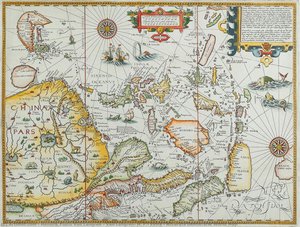
Map of the World


 Читать далее
Масляная репродукция ручной работы
Картина маслом на холсте в выбранном вами размере и раме, написанная на заказ нашими художниками. ( Перейти к печати Перейти к цифровым изображениям)




































Выберите один из наших стандартных размеров, соответствующих оригинальным пропорциям произведения искусства.

Вы можете указать собственные размеры, чтобы картина идеально вписалась в выбранную раму или пространство. Если выбранный вами размер не соответствует пропорциям оригинала, мы либо обрежем полотно, либо расширим его за счет дополнительных элементов, написанных вручную. Цифровой макет будет отправлен вам на утверждение перед началом производства.
Обратите внимание, что предварительный просмотр на экране не отражает фактическую обрезку или расширение. Только макет точно покажет окончательную композицию.
Хотя доступны индивидуальные размеры, мы рекомендуем выбирать вариант из предопределенного списка, чтобы сохранить исходные пропорции.
После оформления заказа команда ArtsDot.com свяжется с клиентом по электронной почте для уточнения деталей и предоставит предварительный макет
Доставка по всему миру () за 3–4 недели вместо стандартных 5 недель. (11 Сентябрь). Без компромиссов в качестве.

Бесплатная экспресс-доставка по всему миру

Высококачественный льняной холст

Полное страхование доставки

Гарантия возмещения таможенных пошлин

Гарантия точного соответствия цветов

100-дневная политика возврата (только при обнаружении дефектов)

Гарантия возврата 100% средств

Предложение оптовых скидок
 Вариант со стеклом доступен только для размеров менее 110 см

Map of the World
Техника репродукции
Размер репродукции
-


Итоговая стоимость
$ 263
Похожие произведения
Биография художника
Carstian Luyckx: A Master of Pronkstilleven in the Shadow of Antwerp
Carstian Luyckx, known as the Monogrammist KL, emerged from the vibrant artistic landscape of 17th-century Antwerp during a period of immense change and burgeoning wealth. Born around 1623, he navigated a world increasingly influenced by both traditional Flemish painting practices and the emerging Baroque style sweeping across Europe. Luyckx’s career unfolded primarily within the confines of Antwerp and later extended into France, leaving behind a legacy of exquisitely detailed still lifes – particularly *pronkstilleven*, or sumptuous still lifes – that offer intimate glimpses into the opulent lives of his patrons. His work is characterized by an almost obsessive attention to detail, a masterful command of light and shadow, and a subtle yet profound exploration of themes like mortality and abundance. Luyckx’s early artistic training was rooted in Antwerp's renowned guild system. He apprenticed under Philips de Marlier, a specialist in still life painting, and later benefited from the tutelage of Frans Francken III, a prominent history painter. This dual education provided him with a solid foundation in both technical skill and stylistic awareness. He formally joined the Guild of St. Luke in 1645, signifying his arrival as a recognized professional artist. The guild system was crucial to artistic development at the time, providing structure, training, and access to commissions. However, it also fostered competition and limited opportunities for artists outside established circles. Luyckx’s oeuvre is remarkably focused on still life painting, encompassing flower still lifes, fruit still lifes, fish still lifes, hunting pieces, and garland paintings – all hallmarks of the *pronkstilleven* genre. These weren't merely depictions of objects; they were carefully constructed arrangements designed to evoke a sense of luxury, wealth, and even melancholy. The inclusion of elements like decaying flowers, partially eaten fruit, or dead animals served as poignant reminders of the transience of beauty and the inevitability of death – a concept central to *vanitas* paintings, though Luyckx’s engagement with this theme is more subtle than that of artists like Rembrandt or Heda van Schauwenburg. His compositions are often lavishly detailed, showcasing an impressive knowledge of botany, animal anatomy, and the textures of various materials. The influence of Caravaggio's dramatic use of light is evident in his works, creating a sense of depth and atmosphere within each scene. A fascinating aspect of Luyckx’s career is the evidence suggesting he spent time working in France. Inscriptions on some of his paintings indicate that he was active there, likely influenced by the prevailing trends of the French Baroque style. This period saw him developing a more refined and polished aesthetic, reflecting the tastes of the French court. His work during this time demonstrates a shift towards greater elegance and a looser brushstroke compared to his earlier Antwerp works. The collaboration on “Kitchen still life with vase of flowers, dead birds, fish and a cat” with David Teniers the Younger and Nicolaes van Verendael exemplifies this period, showcasing Luyckx’s ability to integrate diverse artistic styles within a single composition. Despite his considerable talent and output, Luyckx largely faded from historical memory after his death, believed to have occurred sometime between 1657 and 1677. Only two dated works are currently known, making it challenging to fully reconstruct the chronology of his artistic development. However, his influence can be discerned in the work of later *vanitas* painters, particularly Simon Renard de St. André, suggesting a significant contribution to the evolution of this genre. His legacy lies not in grand historical paintings or monumental commissions, but rather in the exquisite detail and poignant beauty of his still lifes – intimate windows into the world of 17th-century Antwerp and beyond.Diego Velázquez: The Royal Painter of Spain
Born in Seville in 1599, Diego Velázquez entered the artistic world at a young age, apprenticed to Francisco Pacheco, a respected artist and art theorist. This early training instilled in him not only technical proficiency but also an understanding of the principles of composition, color theory, and the importance of observation – skills that would become hallmarks of his distinctive style. Unlike many artists of his time who focused solely on religious or mythological subjects, Velázquez initially specialized in traditional still lifes, depicting scenes of everyday life, particularly those involving food and domestic objects. These early works demonstrate a keen eye for detail and an ability to capture the textures and colors of ordinary items with remarkable accuracy. Velázquez’s trajectory shifted dramatically when he was appointed as court painter by King Philip IV in 1623. This appointment marked a turning point in his career, providing him with unprecedented access to the royal family and the vast collection of art amassed by the Spanish crown. The king's patronage afforded Velázquez the freedom to experiment with new techniques and subjects, while also demanding a constant stream of portraits – a significant portion of his output. He quickly established himself as the foremost painter at court, surpassing all other artists in the royal household. A key element of Velázquez’s artistic approach was his innovative use of *sfumato*, a technique popularized by Leonardo da Vinci that involves softening outlines and creating subtle gradations of tone to achieve an atmospheric effect. He employed this technique masterfully to create a sense of depth, volume, and realism in his portraits, particularly those of the royal family. His paintings are characterized by their psychological insight – he captured not just the outward appearance of his subjects but also their personalities and inner lives. The famous portrait of King Philip IV in armour exemplifies this skill, conveying both the king’s power and vulnerability with remarkable subtlety. Velázquez's artistic journey extended beyond portraiture. He was a skilled landscape painter, often incorporating atmospheric effects into his compositions to create a sense of space and perspective. His interest in Italian painting, particularly the works of Venetian masters like Titian, is evident in his loose brushwork and vibrant color palettes. He also served as superintendent of the royal workshops, overseeing the production of tapestries, ceramics, and other decorative arts – a role that further expanded his artistic influence. Throughout his career, Velázquez remained a relatively private individual, rarely discussing his work or seeking public recognition. He died in 1660, leaving behind an extraordinary body of work that continues to captivate viewers today. His paintings are celebrated for their technical brilliance, psychological depth, and profound insights into the human condition. Velázquez’s legacy as one of the greatest painters in Western art is firmly established, and his influence can be seen in the works of countless artists who followed him.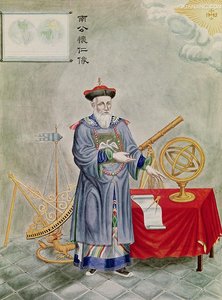
ferdinand verbiest
1623 - 1688 , Belgium
Основные сведения
- Artistic Movement Or Style: Pronkstilleven, Still lifes
- Artists Or Movements Influenced By This Artist: ['Simon Renard de St. André']
- Artists Who Influenced This Artist:
- Philips de Marlier
- Frans Francken III
- Date Of Birth: 1623
- Date Of Death: c. 1675
- Full Name: Carstian Luyckx
- Nationality: Flemish
- Notable Artworks:
- Kitchen still life...
- The Burial of St. Petronilla
- Place Of Birth: Antwerp, Belgium
Похожие статьи
Ferdinand Hodler: Symbolism, Parallelism & the Quest for Universal Harmony
Explore the captivating world of Ferdinand Hodler, Swiss Symbolist painter renowned for his evocative landscapes & pioneering 'parallelism'. Discover his life, key works, and lasting influence on art history. Own a hand-painted reproduction today!
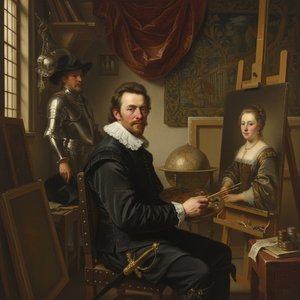
Ferdinand Bol (1616-1680): A Dutch Master of Portraiture & Dramatic Light
Explore the captivating world of Ferdinand Bol (1616-1680), a master Dutch portraitist deeply influenced by Rembrandt. Discover his life, style, and enduring legacy with ArtsDot.
Xie Zhiliu: A Legacy of Ink Wash Painting & Modern Chinese Literati Tradition
Explore the legacy of Xie Zhiliu, a master of Chinese ink wash painting & prominent figure in modern art. Discover his techniques, influences, and contributions to literati tradition. A guide for discerning collectors.
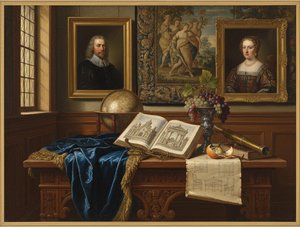
Шедевры XVII века: Топ-10 картин для вдохновения и декора от ArtsDot
Погрузитесь в мир искусства XVII века! От Рембрандта до Вермеера – 10 шедевров барокко и фламандской живописи. Узнайте истории великих художников и вдохновитесь для декора вашего интерьера. Репродукции картин премиум-качества на ArtsDot.com
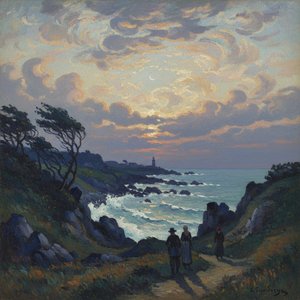
Ferdinand du Puigaudeau: Bridging Impressionism & Symbolism in Breton Landscapes
Discover Ferdinand du Puigaudeau's captivating Breton landscapes – a bridge between Impressionism & Symbolism. Explore his life, unique style, and enduring legacy with ArtsDot.