

 Предпросмотр
 Поделиться
 Поделиться
 Детали произведения

 Скачать
 Похожие работы
 Рентгенография
 Слайд-шоу
 Статистика
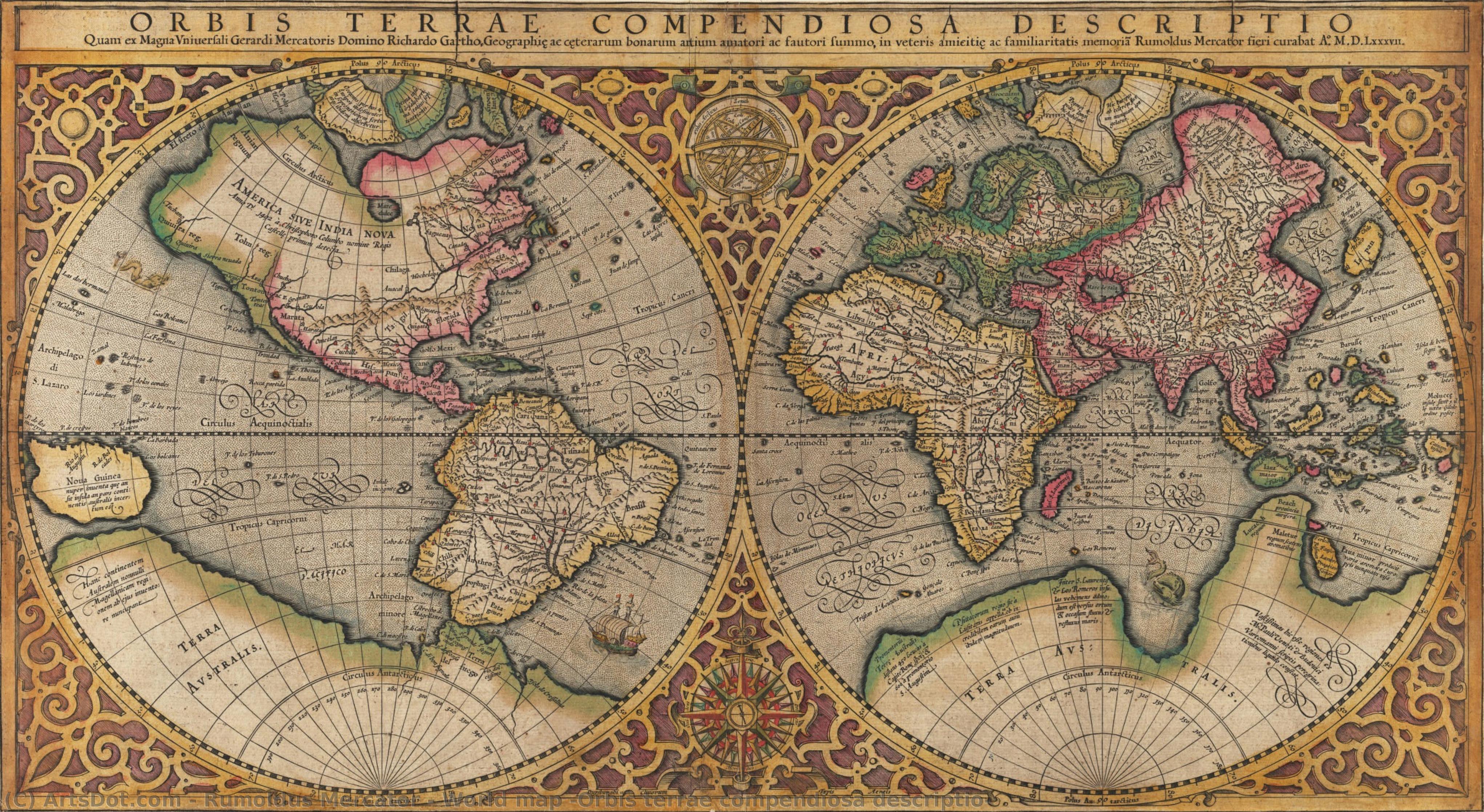
World map (Orbis terrae compendiosa descriptio)
 Engraving
- Northern Renaissance
 1587
1587- Early Modern
 29.0 x 52.0 cm
 Библиотека Честера Битти
 Читать далее
Масляная репродукция ручной работы
Картина маслом на холсте в выбранном вами размере и раме, написанная на заказ нашими художниками. ( Перейти к печати Перейти к цифровым изображениям)




































Выберите один из наших стандартных размеров, соответствующих оригинальным пропорциям произведения искусства.

Вы можете указать собственные размеры, чтобы картина идеально вписалась в выбранную раму или пространство. Если выбранный вами размер не соответствует пропорциям оригинала, мы либо обрежем полотно, либо расширим его за счет дополнительных элементов, написанных вручную. Цифровой макет будет отправлен вам на утверждение перед началом производства.
Обратите внимание, что предварительный просмотр на экране не отражает фактическую обрезку или расширение. Только макет точно покажет окончательную композицию.
Хотя доступны индивидуальные размеры, мы рекомендуем выбирать вариант из предопределенного списка, чтобы сохранить исходные пропорции.
После оформления заказа команда ArtsDot.com свяжется с клиентом по электронной почте для уточнения деталей и предоставит предварительный макет
Доставка по всему миру () за 3–4 недели вместо стандартных 5 недель. (12 Сентябрь). Без компромиссов в качестве.

Бесплатная экспресс-доставка по всему миру

Высококачественный льняной холст

Полное страхование доставки

Гарантия возмещения таможенных пошлин

Гарантия точного соответствия цветов

100-дневная политика возврата (только при обнаружении дефектов)

Гарантия возврата 100% средств

Предложение оптовых скидок
 Вариант со стеклом доступен только для размеров менее 110 см

World map (Orbis terrae compendiosa descriptio)
Техника репродукции
Размер репродукции
-


Итоговая стоимость
$ 263
A Window into the Renaissance Cosmos
To gaze upon Rumoldus Mercator’s Orbis terrae compendiosa descriptio is to embark on a voyage through the sixteenth century, a time when the boundaries of the known world were expanding with every maritime expedition. This exquisite hand-colored engraving serves as more than a mere geographical record; it is a breathtaking tapestry of human curiosity and scientific ambition. As a reduced version of his father Gerard Mercator’s monumental work, this piece captures the essence of the Age of Discovery, presenting a dual-hemisphere view that invites the viewer to contemplate the sheer scale and mystery of our planet. The painting radiates an aura of intellectual prestige, making it an unparalleled centerpiece for any collection dedicated to the history of exploration and the beauty of classical cartography.
The composition is a masterclass in intricate detail and balanced grandeur. Dominating the visual field is a magnificent globe that anchors the left side of the work, its surface meticulously etched with the outlines of continents—Europe, Asia, Africa, and the Americas—each territory rendered with a delicate precision that speaks to the era's burgeoning geographical knowledge. In the upper periphery, a secondary globe offers a complementary perspective, creating a rhythmic movement across the canvas. Scattered throughout the composition are smaller, ornamental maps that act like celestial fragments, surrounding the primary hemispheres with a wealth of regional information. This layering of scales creates a profound sense of depth, drawing the eye into a labyrinth of coastlines, mountain ranges, and sea routes.
Technically, the work embodies the pinnacle of Flemish engraving and hand-coloring traditions. The fine, sharp lines characteristic of the Mercator lineage provide a structural clarity that allows even the smallest topographical detail to emerge with startling legibility. When these engravings are brought to life through hand-applied pigments, the map transforms from a scientific document into a vibrant work of art. The subtle washes of color breathe warmth into the oceans and distinction into the landmasses, evoking the weathered beauty of an ancient parchment. For the discerning interior designer, this piece offers a sophisticated texture that complements both classical libraries and modern, minimalist spaces, providing a sense of historical weight and worldly wisdom.
Beyond its geographical utility, the Orbis terrae compendiosa descriptio carries a deep symbolic resonance. It represents the triumph of human intellect over the unknown, a period where the act of mapping was an act of conquest and understanding. The interplay between the large-scale globes and the minute regional maps symbolizes the relationship between the universal and the particular—the grand design of the cosmos versus the intimate details of local existence. Owning or displaying a high-quality reproduction of this masterpiece is not merely about decoration; it is about surrounding oneself with the spirit of discovery, inviting an atmosphere of contemplation, elegance, and timeless intellectual wonder into the home.
Похожие произведения
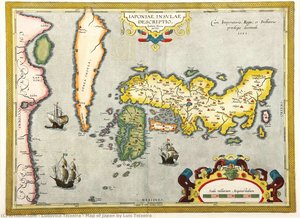
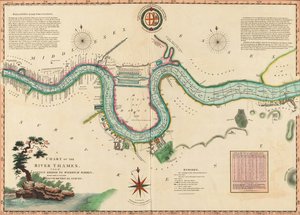
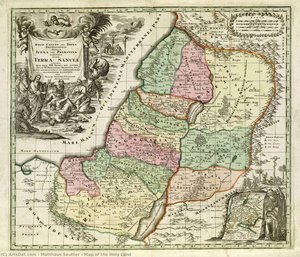
Биография художника
early life and background
rumoldus mercator, a flemish cartographer, was born in leuven, belgium in 1541. as the son of gerardus mercator, a renowned cartographer, rumoldus was destined to follow in his father's footsteps.career and contributions
rumoldus mercator completed several unfinished projects left by his father after his passing, incorporating new materials from his own research. this dedication to cartography led to significant advancements in the field. although primarily known for his work in cartography, rumoldus' artistic skills are also noteworthy, as evident in his artworks on ArtsDot.notable artistic influences and connections
* **the early netherlandish art movement**: as a flemish cartographer, rumoldus mercator was influenced by the early netherlandish art movement, which characterized the beginning of the northern renaissance. learn more about this significant art movement on ArtsDot. * **the museum sint-jacobskerk (leuven, belgium)**: rumoldus mercator's work is connected to the cultural heritage of leuven, where he was born. discover more about the museum sint-jacobskerk on ArtsDot.legacy and later life
rumoldus mercator passed away in duisburg, germany in 1599, leaving behind a legacy of cartographic advancements and artistic contributions. his life's work serves as a testament to the enduring power of art and exploration.- view rumoldus mercator's artworks on ArtsDot
- explore quentin massys's paintings, a notable influence on the early netherlandish art movement, on ArtsDot:
- visit ArtsDot's artist section to learn more about rumoldus mercator and other notable artists: rumoldus mercator | artist on ArtsDot
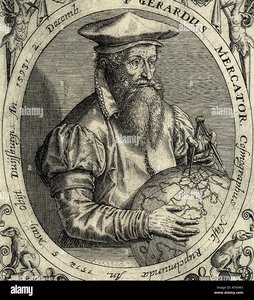
rumoldus mercator
1541 - 1599 , Belgium
Основные сведения
- Artistic Movement Or Style: High Renaissance, Mannerism
- Artists Or Movements Influenced By This Artist:
- Michelangelo
- Mannerism
- Artists Who Influenced This Artist:
- Titian
- Tintoretto
- Date Of Birth: 1 October 1541
- Date Of Death: 7 April 1614
- Full Name: Domenico Theotokopoulos
- Nationality: Cretan-born, Italian
- Notable Artworks:
- The Disrobing of Christ
- El Espolio
- Burial of the Count of Orgaz
- Adoration of the Shepherds
- Place Of Birth: Fodele, Crete
Похожие статьи
Robert Havell Sr.: Botanical Precision & the Rise of Colour Plate Publishing
Explore the life & work of Robert Havell Sr., a pioneer of botanical illustration and key collaborator with Audubon. Discover his stunning aquatint engravings, artistic techniques, and lasting impact on 19th-century art.
10 шедевров гравюры, изменивших искусство навсегда | ArtsDot
Откройте для себя 10 легендарных шедевров гравюры от Дюрера, Гойи и Рембрандта! Узнайте историю создания этих культовых работ и их влияние на искусство. Репродукции высокого качества для вашего интерьера – ArtsDot.
The Intricate World of Engraving: A Historical Survey of Technique, Artistic Expression & Enduring Legacy
Explore the rich history of engraving with ArtsDot. Discover techniques, iconic artists like Dürer & Callot, collecting tips, and expert guidance for preserving your art investment. Learn about intaglio printing & more!
Альбрехт Дюрер: 25 шедевров эпохи Возрождения для вашего интерьера | ArtsDot
Погрузитесь в мир Альбрехта Дюрера! 25 величайших гравюр и картин немецкого Ренессанса. Узнайте историю создания шедевров, символизм и технику художника. Репродукции высокого качества для вашего интерьера на ArtsDot.com.
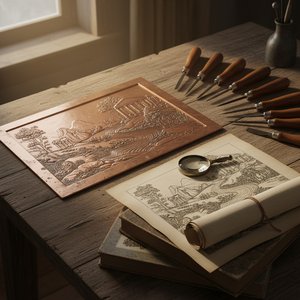
Engraving: A Historical Survey of Technique, Artistic Expression & Enduring Legacy
Explore the rich history of engraving with ArtsDot. Discover techniques, iconic artists like Dürer & Callot, collecting tips, and expert guidance for preserving your art investment. Learn about intaglio printing & more!