

 Предпросмотр
 Поделиться
 Поделиться
 Детали произведения

 Скачать
 Похожие работы
 Рентгенография
 Слайд-шоу
 Статистика
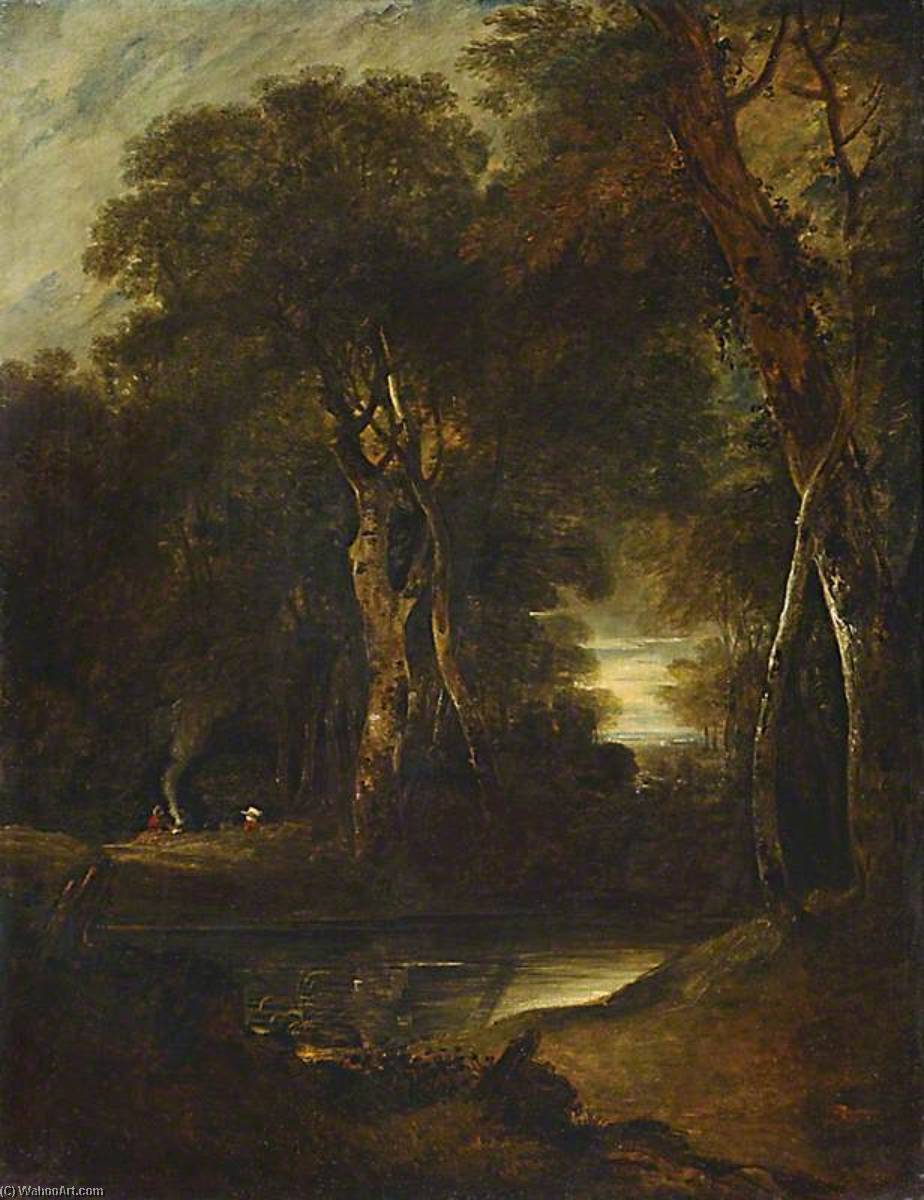
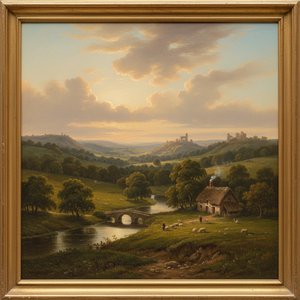
Woodland Scene with Gipsies
 Oil On Canvas
- WallArt
- Romantic Landscape
 1800
1800 90.0 x 70.0 cm
 Ашмолеанский музей искусств и археологии
 Читать далее
Масляная репродукция ручной работы
Картина маслом на холсте в выбранном вами размере и раме, написанная на заказ нашими художниками. ( Перейти к печати Перейти к цифровым изображениям)




P118B $10

P118H $10

P118W $10

P438Z $10

P508JH $12

P508YH $12

P805H $10

P805Z $10

P919BZ $10

P919G $10

P919XJ $10

P959ZH $10

P968JZ $12

W106C $8

W218G $10

W218JH $8

W218Y $10

W307PJ $10

W316G $10

W316PJ $8

W316Y $10

W398PJ $8

W4111J $10

W500HY $15

W500JH $15

W692G $12

W849H $8

W940BG $15

W953PJ $8




Выберите один из наших стандартных размеров, соответствующих оригинальным пропорциям произведения искусства.

Вы можете указать собственные размеры, чтобы картина идеально вписалась в выбранную раму или пространство. Если выбранный вами размер не соответствует пропорциям оригинала, мы либо обрежем полотно, либо расширим его за счет дополнительных элементов, написанных вручную. Цифровой макет будет отправлен вам на утверждение перед началом производства.
Обратите внимание, что предварительный просмотр на экране не отражает фактическую обрезку или расширение. Только макет точно покажет окончательную композицию.
Хотя доступны индивидуальные размеры, мы рекомендуем выбирать вариант из предопределенного списка, чтобы сохранить исходные пропорции.
После оформления заказа команда ArtsDot.com свяжется с клиентом по электронной почте для уточнения деталей и предоставит предварительный макет
Доставка по всему миру () за 3–4 недели вместо стандартных 5 недель. (10 Сентябрь). Без компромиссов в качестве.

Бесплатная экспресс-доставка по всему миру

Высококачественный льняной холст

Полное страхование доставки

Гарантия возмещения таможенных пошлин

Гарантия точного соответствия цветов

100-дневная политика возврата (только при обнаружении дефектов)

Гарантия возврата 100% средств

Предложение оптовых скидок
 Вариант со стеклом доступен только для размеров менее 110 см

Woodland Scene with Gipsies
Техника репродукции
Размер репродукции
-


Итоговая стоимость
$ 263
A Woodland Reverie: George Howland Beaumont’s “Woodland Scene with Gipsies”
George Howland Beaumont's "Woodland Scene with Gipsies," painted circa 1779-1800, is more than just a picturesque landscape; it’s a carefully constructed tableau of Romantic ideals and burgeoning social commentary. This oil on canvas, currently residing in the Ashmolean Museum, Oxford (accession number WA1845.42), offers a glimpse into the artistic sensibilities of a pivotal era – a time when the sublime beauty of nature was increasingly intertwined with reflections on humanity’s place within it.
The scene unfolds within a densely wooded area, dominated by towering trees whose branches intertwine to create a dappled light effect. The artist masterfully employs atmospheric perspective, subtly receding into the distance to suggest depth and scale. A small group of gipsies – travelers often viewed with suspicion and fascination – are depicted in the foreground, engaged in what appears to be a quiet moment of respite. Their clothing is rendered in muted tones, blending seamlessly with the surrounding foliage, while their faces retain an air of dignified reserve.
The Beaumont Legacy: A Painter’s Pursuit
Beaumont's artistic journey was profoundly shaped by his privileged upbringing and subsequent travels. Born into a landed gentry family in Dunmow, Essex, he received early training in landscape painting from Alexander Cozens, a leading figure of the Picturesque movement. However, it was his Grand Tour to Italy between 1782 and 1784 that truly ignited his passion for art and instilled within him an appreciation for the works of the Old Masters – particularly those of Claude Lorrain and Nicolas Poussin. These artists’ emphasis on idealized landscapes and carefully composed narratives profoundly influenced Beaumont's own style, evident in the balanced composition and serene atmosphere of “Woodland Scene with Gipsies.”
Furthermore, Beaumont’s own aristocratic background – he inherited a baronetcy at a young age – afforded him access to an extensive collection of art, fueling his desire to amass a similar trove. This personal collecting drive contributed significantly to the formation of the National Gallery in London, where he made the first significant bequest of paintings, demonstrating his commitment to making art accessible to the public.
Romanticism and Social Observation
“Woodland Scene with Gipsies” is a compelling example of the Romantic movement’s fascination with nature and its inherent beauty. However, it's not merely a celebration of the picturesque; there’s an underlying layer of social observation present in the depiction of the gipsies. While often romanticized as free spirits of the countryside, gipsies were frequently viewed with suspicion and prejudice by mainstream society. Beaumont subtly acknowledges this duality, presenting them not as caricatures but as individuals existing within a complex social landscape.
The painting’s muted palette – dominated by greens, browns, and greys – reinforces its contemplative mood. The artist's brushwork is loose and expressive, creating a sense of movement and vitality within the trees and foliage. Beaumont skillfully captures the interplay of light and shadow, evoking a feeling of tranquility and solitude. The inclusion of a small boat on the distant water adds a touch of narrative intrigue, hinting at journeys and possibilities beyond the immediate scene.
A Timeless Appeal
“Woodland Scene with Gipsies” remains a captivating work of art due to its harmonious blend of artistic skill, Romantic ideals, and subtle social commentary. It’s a painting that invites viewers to pause, reflect, and contemplate the relationship between humanity and nature – a theme that continues to resonate deeply in our own time. Reproductions of this piece offer an opportunity to bring this serene woodland scene into any interior space, evoking a sense of peace and connection with the natural world.
Похожие произведения
Биография художника
A Life Dedicated to Art: The World of George Howland Beaumont
Sir George Howland Beaumont, born in 1753 amidst the tranquil Essex countryside of Great Dunmow, was a figure whose life embodied the evolving tastes and passions of late 18th and early 19th-century Britain. Inheriting both a baronetcy and an estate at a young age, Beaumont’s path wasn't immediately destined for artistic pursuits. However, his education at Eton College included initial training in landscape painting under Alexander Cozens, sparking a lifelong fascination with the visual arts—a fascination that would ultimately define his entire existence. This early exposure served as a crucial catalyst, propelling him toward a transformative journey: the Grand Tour undertaken in 1782 alongside his wife, Margaret. Italy and its rich artistic heritage proved pivotal; Beaumont’s eyes were opened to the masterpieces of the Old Masters—a revelation that ignited within him not merely an appreciation but also a fervent desire to collect and understand these works—a passion he would carry throughout his life. This pilgrimage laid the foundation for a life devoted entirely to art—both as a discerning collector and a committed, though often self-critical, painter.Cultivating Taste: Collection, Patronage, and Artistic Development
Upon his return to England, Beaumont embarked on building an impressive collection of Old Master paintings, fueled by genuine enthusiasm despite considerable financial constraints. Central to this assemblage was Claude Lorrain’s *A Landscape with Hagar and the Angel*, a painting that held a particularly profound significance for him—a visual embodiment of his aesthetic ideals. He wasn't simply acquiring objects; he was assembling a veritable artistic library, meticulously documenting and interpreting these treasures as they progressed through his understanding. Simultaneously, Beaumont began exhibiting his own work at the Royal Academy from 1794 to 1825, establishing himself as a respected amateur within London’s vibrant art circles—a recognition that underscored his dedication to furthering artistic discourse. His social life flourished alongside his creative endeavors, centered around his residence at 34 Grosvenor Square and punctuated by service as Tory MP for Beer Alston (1790-1796)—experiences that broadened his horizons and exposed him to influential figures—the Lake Poets, notably William Wordsworth whom he regarded as a kindred spirit, Uvedale Price, and others whose ideas profoundly shaped Beaumont’s evolving artistic sensibilities. His stylistic influences included Richard Wilson and Thomas Hearne, aligning him firmly with the Romantic movement, as evidenced in landscapes like *View near Keswick* (1779), yet he maintained a steadfast conviction in upholding academic traditions—a stance reflected in his critique of more experimental approaches championed by artists such as J.M.W. Turner—demonstrating a nuanced perspective on artistic innovation.The Grand Tour and Artistic Inspiration
The Grand Tour itself served as an indelible formative experience, irrevocably altering Beaumont’s worldview and profoundly impacting his artistic sensibilities. Traveling through Italy with Margaret, he immersed himself in the splendor of Rome and Florence, encountering firsthand the glories of Michelangelo and Raphael—a confrontation that instilled within him a deep reverence for classical art and its enduring influence on subsequent generations. This journey wasn't merely sightseeing; it was an intellectual pilgrimage—a deliberate effort to absorb the artistic heritage of antiquity and to grapple with its implications for contemporary aesthetics. The encounter with Claude Lorrain’s *A Landscape with Hagar and the Angel* during this period solidified Beaumont’s fascination with atmospheric perspective and idealized beauty—elements that would permeate his own paintings throughout his career. He meticulously studied the techniques employed by Old Masters, striving to emulate their mastery of composition and color—a pursuit driven by an unwavering desire for artistic excellence.A Collector's Eye: The Beaumont Collection
Beaumont’s dedication to collecting Old Master paintings extended far beyond mere aesthetic appreciation; it represented a profound commitment to preserving cultural heritage and fostering intellectual discourse. His collection encompassed works spanning diverse genres and periods—from Venetian portraits to Dutch landscapes—reflecting his discerning taste and erudition. However, one painting stood apart from the rest: Claude Lorrain’s *A Landscape with Hagar and the Angel*, which Beaumont cherished above all others—a testament to his unwavering conviction in the power of visual art to convey emotion and grandeur. He treated this masterpiece with exceptional care—housing it in a specially designed case during his travels and meticulously documenting its provenance—demonstrating an almost obsessive devotion to preserving its artistic integrity. This singular obsession underscored Beaumont’s belief that great art possessed intrinsic value—a conviction he championed throughout his life, advocating for its accessibility and celebrating its transformative potential.Legacy: Founding the National Gallery
Beaumont's contribution to British art history transcends his own artistic output; it resides principally in his visionary role as a benefactor of the arts and, crucially, as the catalyst for establishing London’s National Gallery—a landmark institution dedicated to showcasing Old Master paintings and promoting artistic appreciation. Recognizing the urgent need for a public gallery accessible to all citizens—a space where masterpieces could inspire contemplation and foster intellectual engagement—Beaumont spearheaded an audacious initiative in 1823: he pledged to donate sixteen paintings from his personal collection on condition that Parliament procure funds for the acquisition of John Julius Angerstein’s holdings and secure suitable premises. This bold proposition galvanized parliamentary debate, culminating in the triumphant opening of the Gallery in May 1824—a moment that cemented Beaumont's place as a pivotal figure in British cultural history. His foresight ensured that generations to come would benefit from access to unparalleled artistic treasures—a lasting testament to his unwavering belief in the transformative power of art and its importance to national identity. He remains an exemplar of intellectual generosity and artistic conviction—a man who irrevocably shaped the landscape of British culture through his passion, discernment, and enduring legacy.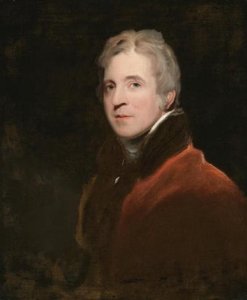
Джордж Хауланд Бэмфорд
1753 - 1827 , Великобритания
Основные сведения
- Artistic Movement Or Style: Романтизм
- Artists Or Movements Influenced By This Artist: ['Джон Консльст']
- Artists Who Influenced This Artist:
- Александр Козенс
- Ричард Вильсон
- Date Of Birth: 1753
- Date Of Death: 1827
- Full Name: George Howland Beaumont
- Nationality: Британский
- Notable Artworks:
- Ландшафт с Агаром и Ангелом
- Пейзаж
- Place Of Birth: Dunmow, Великобритания
Похожие статьи

Романтический пейзаж: 10 шедевров, изменивших искусство | ArtsDot.com
Погрузитесь в мир романтического пейзажа! 10 шедевров Фридриха, Тёрнера и других гениев. Узнайте историю создания культовых картин и вдохновитесь для декора интерьера. Репродукции высокого качества на ArtsDot.com.

Жорж Брак: 25 шедевров кубизма для ценителей искусства и интерьера
Откройте для себя 25 шедевров Жоржа Брака – пионера кубизма! Узнайте историю создания культовых картин, технику и влияние французского художника на искусство XX века. Репродукции высокого качества для вашего интерьера на ArtsDot.com.

Evocations of Place: A Historical Journey Through Landscape Art
Explore the rich history of landscape art with ArtsDot. Discover renowned artists, movements like Impressionism & Romanticism, and expert guidance for collecting timeless pieces. Find your perfect serene escape today!

Жорж Сёра: 25 шедевров великого мастера пуантилизма | ArtsDot
Откройте для себя 25 шедевров Жоржа Сёра – пионера пуантилизма! Узнайте историю создания культовых картин, технику письма и влияние импрессионизма. Репродукции высокого качества на ArtsDot.com. Искусство для вашего интерьера.
George Barret the Elder: Pioneering British Pastoral Painting & Landscape's Rise
Explore the life & art of George Barret Sr., a pioneer of British pastoral painting. Discover his influence on Romantic landscape art, patronage, and collecting tips from ArtsDot.