

 Предпросмотр
 Поделиться
 Поделиться
 Детали произведения

 Скачать
 Похожие работы
 Рентгенография
 Слайд-шоу
 Статистика
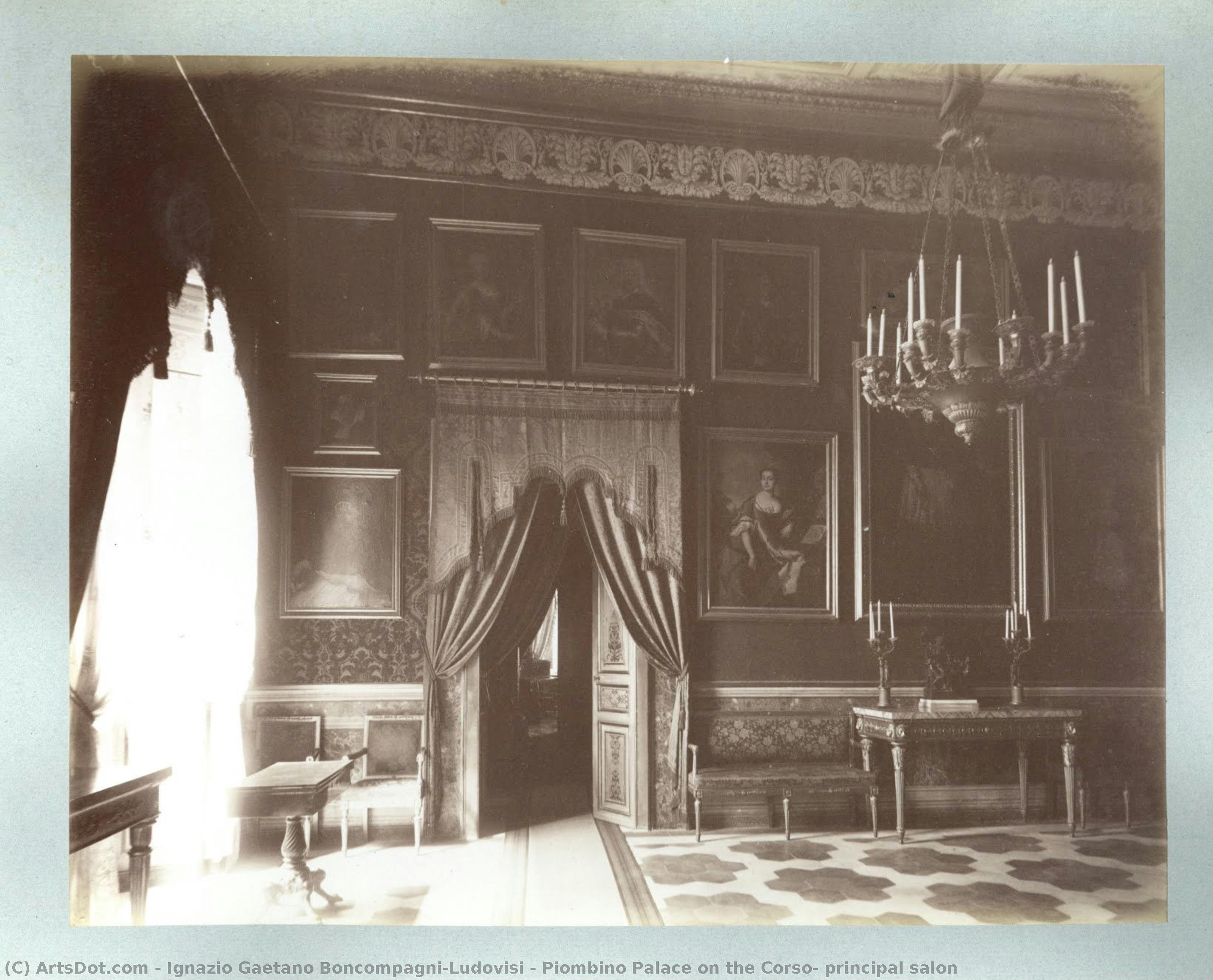
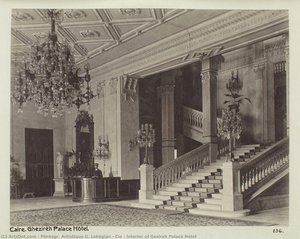
Piombino Palace on the Corso: principal salon

 Читать далее
Приобретите цифровое изображение высокого разрешения в улучшенном качестве, которое значительно превосходит онлайн-превью.
Каждый файл тщательно подготавливается нашими специалистами с использованием передовых инструментов и экспертной ручной ретуши. Мы гарантируем исключительную четкость, точную цветопередачу и детальную проработку каждого изображения.
Финальный файл доставляется по электронной почте в течение 72 часов и оптимизирован для немедленного использования в профессиональной среде, при верстке и печати. Это тот же уровень качества, которому доверяют ведущие дизайнерские студии, издательства и галереи.
Цифровое изображение
Скачайте файл высокого разрешения для личного использования, печати и творческих проектов. ( Перейти к печати Купить картину ручной работы)
Включено в каждый заказ цифровых изображений
Гарантия экспертной цифровой доставки
Выбирая ArtsDot.com, вы получаете не просто изображение — вы приобретаете профессионально обработанное цифровое произведение искусства, созданное с безупречной точностью и под защитой гарантии качества. Вот всё, что автоматически входит в ваш заказ:

Мгновенная доставка по e-mail
Ваш цифровой файл в высоком разрешении будет отправлен вам по электронной почте в течение 72 часов после оформления заказа — и сразу станет доступен для использования.

Цифровой файл с ИИ-улучшением
Ваше произведение искусства проходит профессиональную оптимизацию с использованием передовых инструментов ИИ и ручной обработки, что гарантирует максимальную детализацию, четкость и точность цветопередачи.

Бессрочная бесплатная повторная доставка
Случайно удалили или потеряли файл? Не беспокойтесь — мы отправим его вам повторно в любое время и совершенно бесплатно.

Без импортных пошлин — навсегда
Наслаждайтесь вашим произведением искусства мгновенно без таможенных пошлин, сборов или затрат на доставку — цифровые загрузки всегда не облагаются налогом.

Гарантия точности цветопередачи
Мы гарантируем, что ваше цифровое изображение максимально точно передает оригинальные цвета благодаря использованию профессиональных инструментов и систем управления цветом.

Гарантия удовлетворенности 100 дней
Если вы не будете удовлетворены своим цифровым изображением, мы внесем правки или вернем 100% стоимости в течение 100 дней — без лишних вопросов.

100% Гарантия возврата средств
Не удовлетворены покупкой? Получите полный возврат средств в течение 100 дней после получения цифрового файла — без лишних вопросов.

Скидки на оптовые заказы
Купите 3 изображения, сэкономьте 10% — Купите 5, сэкономьте 15% — Купите 10+, сэкономьте 20%. Отличное решение для творческих проектов, галерей и агентств.
Похожие произведения





Биография художника
Ignazio Gaetano Boncompagni-Ludovisi: A Roman Aristocrat and Master of Interior Detail
Born into a lineage steeped in papal power and aristocratic prestige, Ignazio Gaetano Boncompagni-Ludovisi (1743-1823) was more than just another member of Rome’s elite; he was a pivotal figure in shaping the city's visual landscape through his meticulous patronage of art and architecture. His life unfolded against the backdrop of shifting political alliances, papal intrigues, and the burgeoning fascination with interior design during the 18th and early 19th centuries. While often overshadowed by his more prominent relatives, Boncompagni-Ludovisi’s legacy lies primarily in his extraordinary collection of interiors – particularly those within Piombino Palace on the Corso – which offer a remarkably intimate glimpse into Roman aristocratic life and the era's evolving aesthetic sensibilities.
His early years were defined by a rigorous ecclesiastical education, reflecting the family’s deep-seated commitment to the Catholic Church. Educated at the Sapienza University of Rome, he pursued a doctorate in law, laying the foundation for his later career as a papal official and administrator. However, it was his artistic inclinations that truly set him apart. Unlike many members of his family who focused on political or military pursuits, Boncompagni-Ludovisi cultivated a profound appreciation for beauty and a keen eye for detail. This passion would ultimately drive his extensive collecting activities and shape the opulent interiors he so meticulously oversaw.
The Piombino Palace: A Canvas for Artistic Patronage
Piombino Palace, situated on the prestigious Corso Roma, served as Boncompagni-Ludovisi’s primary residence and a testament to his discerning taste. Originally built in the 16th century, it underwent significant renovations throughout the 18th and early 19th centuries under his direction. The palace became a veritable showcase for his artistic ambitions, attracting leading artists of the time – including Scipio Pulzone, known as “Il Gaetano,” who was commissioned to paint portraits and decorate several rooms. The palace’s interiors were not merely furnished; they were carefully orchestrated environments designed to evoke grandeur, elegance, and a sense of Roman imperial splendor.
Boncompagni-Ludovisi's influence extended beyond simply commissioning artwork. He actively oversaw the design and construction of each room, ensuring that every element – from the choice of fabrics and tapestries to the placement of furniture and decorative objects – contributed to a cohesive and harmonious aesthetic. His meticulous attention to detail is particularly evident in his collection of daguerreotypes, which offer remarkably intimate portraits of Roman nobility and provide invaluable insights into the palace’s interior design.
A Collector's Eye: Daguerreotypes and Interior Design
Boncompagni-Ludovisi’s most enduring contribution to art history lies in his extensive collection of daguerreotypes, many of which were produced by his own photographer. These remarkably sharp images capture the interiors of Piombino Palace with astonishing clarity, revealing a level of detail rarely seen in contemporary paintings or drawings. The daguerreotypes offer a unique window into the palace’s design, showcasing the luxurious furnishings, elaborate decorations, and carefully arranged spaces that defined Roman aristocratic life during the early 19th century.
Notably, he commissioned several portraits of his family members within the palace itself, creating a series of intimate and revealing images. These portraits not only document the appearance of the Boncompagni-Ludovisi family but also provide valuable insights into the palace’s interior design – revealing how the artwork was integrated into the overall spatial arrangement.
Legacy and Historical Significance
Ignazio Gaetano Boncompagni-Ludovisi's legacy is not one of grand monuments or sweeping historical events, but rather a quiet yet profound influence on the visual culture of Rome. His meticulous patronage of art and architecture helped to shape the city’s aesthetic landscape during a period of significant transformation. His collection of interiors, particularly his daguerreotypes, offers an unparalleled glimpse into Roman aristocratic life and the evolving tastes of the 18th and early 19th centuries.
Furthermore, his dedication to preserving and documenting his family’s artistic heritage established a tradition that would continue for generations. The Archivio Boncompagni Ludovisi, founded in 1936, stands as a testament to his foresight and commitment to safeguarding the family's legacy. Boncompagni-Ludovisi’s story serves as a reminder that even within the grand narratives of history, it is often the quiet acts of patronage and preservation that leave the most enduring marks.

ignazio gaetano boncompagni-ludovisi
1823 , Italy
Основные сведения
- Artistic Movement Or Style: Baroque Painting Style
- Artists Or Movements Influenced By This Artist:
- Italian Portraiture
- Roman Nobility Art
- Artists Who Influenced This Artist: ['Scipio Pulzone']
- Date Of Birth: June 18, 1743
- Date Of Death: August 9, 1790
- Full Name: Ignazio Gaetano Boncompagni-Ludovisi
- Nationality: Italian
- Notable Artworks:
- Piombino Palace on the Corso: chapel
- Piombino Palace on the Corso: salon of Teresa Marescotti Boncompagni Ludovisi
- Place Of Birth: Rome, Italy