

 Предпросмотр
 Поделиться
 Поделиться
 Детали произведения

 Скачать
 Похожие работы
 Рентгенография
 Слайд-шоу
 Статистика
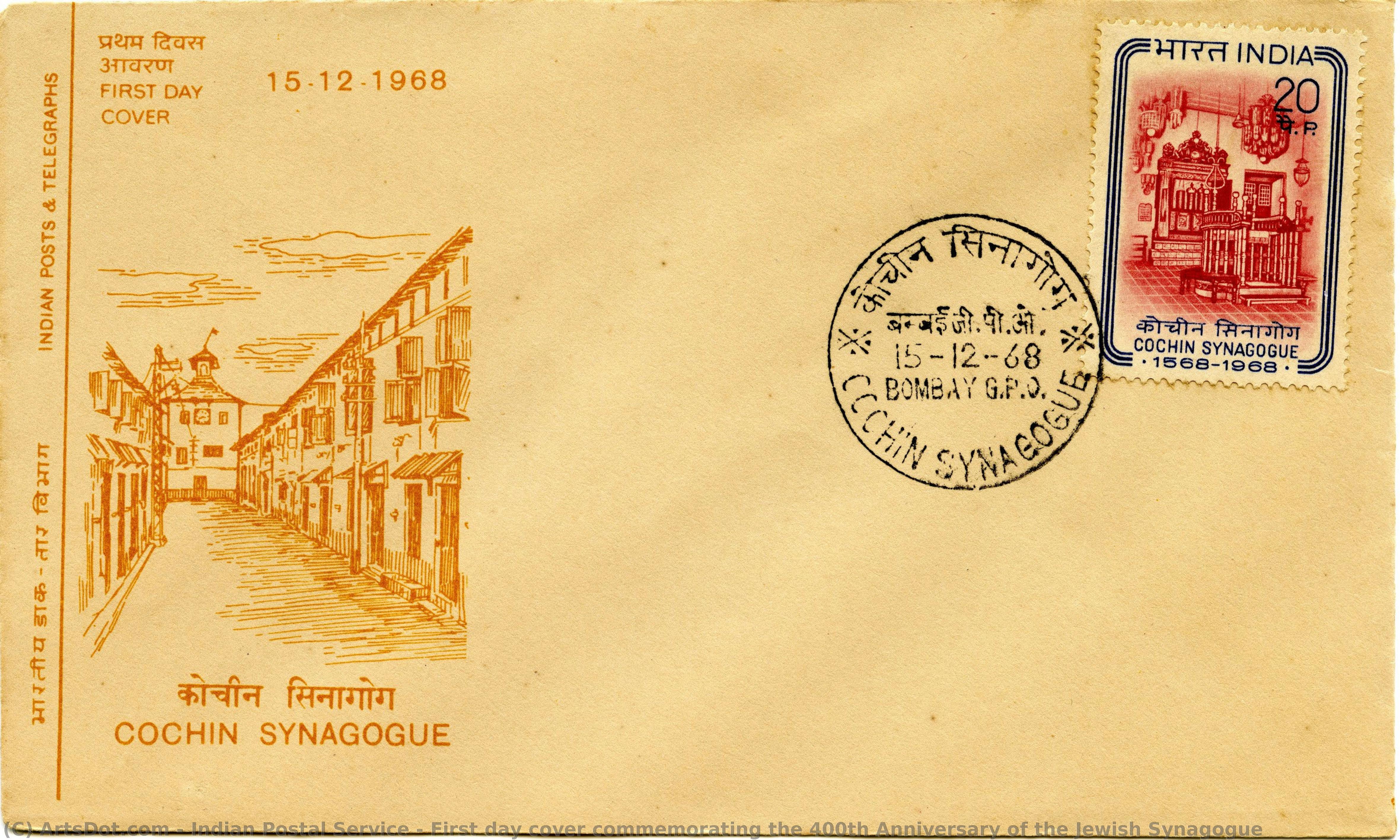
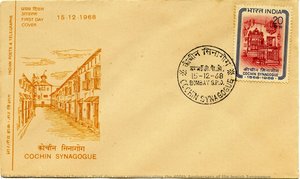
First day cover commemorating the 400th Anniversary of the Jewish Synagogue


 Читать далее
Приобретите цифровое изображение высокого разрешения в улучшенном качестве, которое значительно превосходит онлайн-превью.
Каждый файл тщательно подготавливается нашими специалистами с использованием передовых инструментов и экспертной ручной ретуши. Мы гарантируем исключительную четкость, точную цветопередачу и детальную проработку каждого изображения.
Финальный файл доставляется по электронной почте в течение 72 часов и оптимизирован для немедленного использования в профессиональной среде, при верстке и печати. Это тот же уровень качества, которому доверяют ведущие дизайнерские студии, издательства и галереи.
Цифровое изображение
Скачайте файл высокого разрешения для личного использования, печати и творческих проектов. ( Перейти к печати Купить картину ручной работы)
Включено в каждый заказ цифровых изображений
Гарантия экспертной цифровой доставки
Выбирая ArtsDot.com, вы получаете не просто изображение — вы приобретаете профессионально обработанное цифровое произведение искусства, созданное с безупречной точностью и под защитой гарантии качества. Вот всё, что автоматически входит в ваш заказ:

Мгновенная доставка по e-mail
Ваш цифровой файл в высоком разрешении будет отправлен вам по электронной почте в течение 72 часов после оформления заказа — и сразу станет доступен для использования.

Цифровой файл с ИИ-улучшением
Ваше произведение искусства проходит профессиональную оптимизацию с использованием передовых инструментов ИИ и ручной обработки, что гарантирует максимальную детализацию, четкость и точность цветопередачи.

Бессрочная бесплатная повторная доставка
Случайно удалили или потеряли файл? Не беспокойтесь — мы отправим его вам повторно в любое время и совершенно бесплатно.

Без импортных пошлин — навсегда
Наслаждайтесь вашим произведением искусства мгновенно без таможенных пошлин, сборов или затрат на доставку — цифровые загрузки всегда не облагаются налогом.

Гарантия точности цветопередачи
Мы гарантируем, что ваше цифровое изображение максимально точно передает оригинальные цвета благодаря использованию профессиональных инструментов и систем управления цветом.

Гарантия удовлетворенности 100 дней
Если вы не будете удовлетворены своим цифровым изображением, мы внесем правки или вернем 100% стоимости в течение 100 дней — без лишних вопросов.

100% Гарантия возврата средств
Не удовлетворены покупкой? Получите полный возврат средств в течение 100 дней после получения цифрового файла — без лишних вопросов.

Скидки на оптовые заказы
Купите 3 изображения, сэкономьте 10% — Купите 5, сэкономьте 15% — Купите 10+, сэкономьте 20%. Отличное решение для творческих проектов, галерей и агентств.
A Timeless Commemoration: The Echoes of Kochi
In the delicate intersection of philately and historical memory lies a profound tribute to one of India’s most enduring cultural legacies. This exquisite first day cover, issued by the Indian Postal Service in 1968, serves as much more than a mere postal artifact; it is a window into the soul of the Jewish community in Kerala. The piece commemorates the 400th anniversary of the rebuilding of the iconic Kochi synagogue, an event that anchors a lineage of faith and commerce stretching back to the end of the first millennium. Through its sepia-toned palette, the artwork evokes a sense of nostalgia, transporting the viewer to an era where the pulse of trade and the sanctity of tradition beat in perfect unison.
The visual narrative presented in this painting is one of movement and continuity. A bustling street scene unfolds, where the rhythmic passage of a train and the steady flow of pedestrians on the sidewalk create a tapestry of daily life. The use of sepia tones acts as a stylistic bridge between the present and the past, casting a warm, antique glow over the composition that suggests the fading edges of an old photograph. This choice of technique imbues the scene with a quiet dignity, inviting collectors to contemplate the layers of history embedded within the Malabar Coast—from the ancient copper plates of the 10th century to the vibrant mercantile exchanges documented in the Cairo Geniza.
Symbolism and the Art of Connection
Beyond its surface beauty, the artwork is rich with symbolic weight. The inclusion of the postcard and stamps within the composition serves as a meta-commentary on the nature of communication and preservation. Just as the postal service carries messages across vast distances, this piece carries the memory of the Jewish traders who once exported spices, medicines, and metals from India to the Middle East. The imagery of the street scene, with figures positioned at varying depths, mirrors the way history itself is layered—some moments are in sharp focus while others linger as shadows in the background of our collective consciousness.
For the discerning collector or interior designer, this piece offers a unique opportunity to introduce a conversation starter into a curated space. It is not merely a depiction of a historical milestone but an emotional journey through themes of migration, protection, and resilience. The painting captures the essence of a community that found sanctuary and prosperity under the patronage of the Rajah of Kochi, making it a poignant addition to any collection focused on global heritage or the intersection of art and sociology. To possess a reproduction of this work is to hold a fragment of a much larger, beautiful story of human connection across the seas.
Похожие произведения




Биография художника
The Indian Postal Service: A Legacy of Art and Nationhood
The Indian Postal Service, more than just a delivery mechanism, has served as an extraordinary canvas for artistic expression throughout its history—a testament to India’s cultural heritage and evolving identity. From humble beginnings in 1854 under British rule to its current status as the world's largest postal network, the service has consistently championed commemorative covers and postal art projects that reflect significant moments in Indian history. This vast institution has acted as a silent curator of the nation's soul, using the miniature medium of the postage stamp to broadcast visual narratives across borders and generations.
Early philatelists recognized the potential of stamps not merely for communication but also for preserving visual legacies. Initial designs focused on portraits of monarchs and dignitaries—a reflection of colonial influence—yet swiftly embraced themes celebrating India’s independence movement, religious figures, and cultural traditions. This evolution demonstrates a deliberate effort to solidify national pride and disseminate knowledge about India's rich past. Through the delicate art of engraving and lithography, the service transformed simple paper into windows of historical significance, capturing everything from the architectural majesty of ancient temples to the poignant struggles of the freedom fighters.
A Canvas of Commemoration and Cultural Memory
The artistry found within the Indian Postal Service extends far beyond the standard postage stamp, reaching into the realm of exquisite first-day covers and commemorative philatelic art. These pieces often serve as profound tributes to India’s enduring cultural legacies. For instance, a notable 1968 first day cover commemorating the 400th anniversary of the rebuilding of the iconic Kochi synagogue illustrates how postal artifacts can become windows into the soul of specific communities. Through sepia-toned palettes and intricate compositions, such works evoke a sense of nostalgia, transporting the viewer to eras where trade, faith, and tradition moved in perfect unison.
The visual narrative presented in these postal artworks often utilizes movement and continuity to tell a story. One might find bustling street scenes unfolding within a single cover, where the rhythmic passage of a train or the steady flow of pedestrians creates a tapestry of daily life. The use of specific techniques, such as sepia tones, acts as a stylistic bridge between the present and the past, casting a warm, antique glow that suggests the fading edges of an old photograph. This choice of technique imbues the scenes with a quiet dignity, inviting collectors to contemplate the layers of history embedded within the Indian landscape.
The Global Context of Postal Artistry
While deeply rooted in Indian identity, the artistry of the Indian Postal Service exists within a broader global conversation regarding communication and cultural exchange. The Smithsonian’s National Postal Museum in Washington D.C., established in 1974, stands as a beacon of this shared history. Its extensive collection showcases stamps from across the globe—including India—spanning centuries, illustrating how communication has shaped artistic trends and facilitated the movement of ideas. Exhibits delving into printing techniques like lithography and engraving highlight the technical innovations that contributed to the beauty and accuracy of these miniature masterpieces.
The enduring relevance of this medium is further seen in contemporary initiatives where postal art projects are used to explore local history and culture through creative visual mediums. These endeavors underscore the role of stamps as instruments for storytelling and fostering an appreciation for artistic heritage—a legacy that extends far beyond their practical function. The Indian Postal Service remains a vital participant in this global tradition, ensuring that the pulse of the nation's history continues to be felt through every letter, stamp, and commemorative piece issued.
indian postal service
India
Основные сведения
- Artistic Movement Or Style: Nationalism
- Artists Or Movements Influenced By This Artist: ['Hindu Revival']
- Artists Who Influenced This Artist: ['Henry George']
- Date Of Birth: October 2nd, 1869
- Full Name: Mohandas Karamchand Gandhi
- Nationality: Indian
- Notable Artworks: ['Gandhi Stamp']
- Place Of Birth: Porbandar, Gujarat