

 Предпросмотр
 Поделиться
 Поделиться
 Детали произведения

 Скачать
 Похожие работы
 Рентгенография
 Слайд-шоу
 Статистика
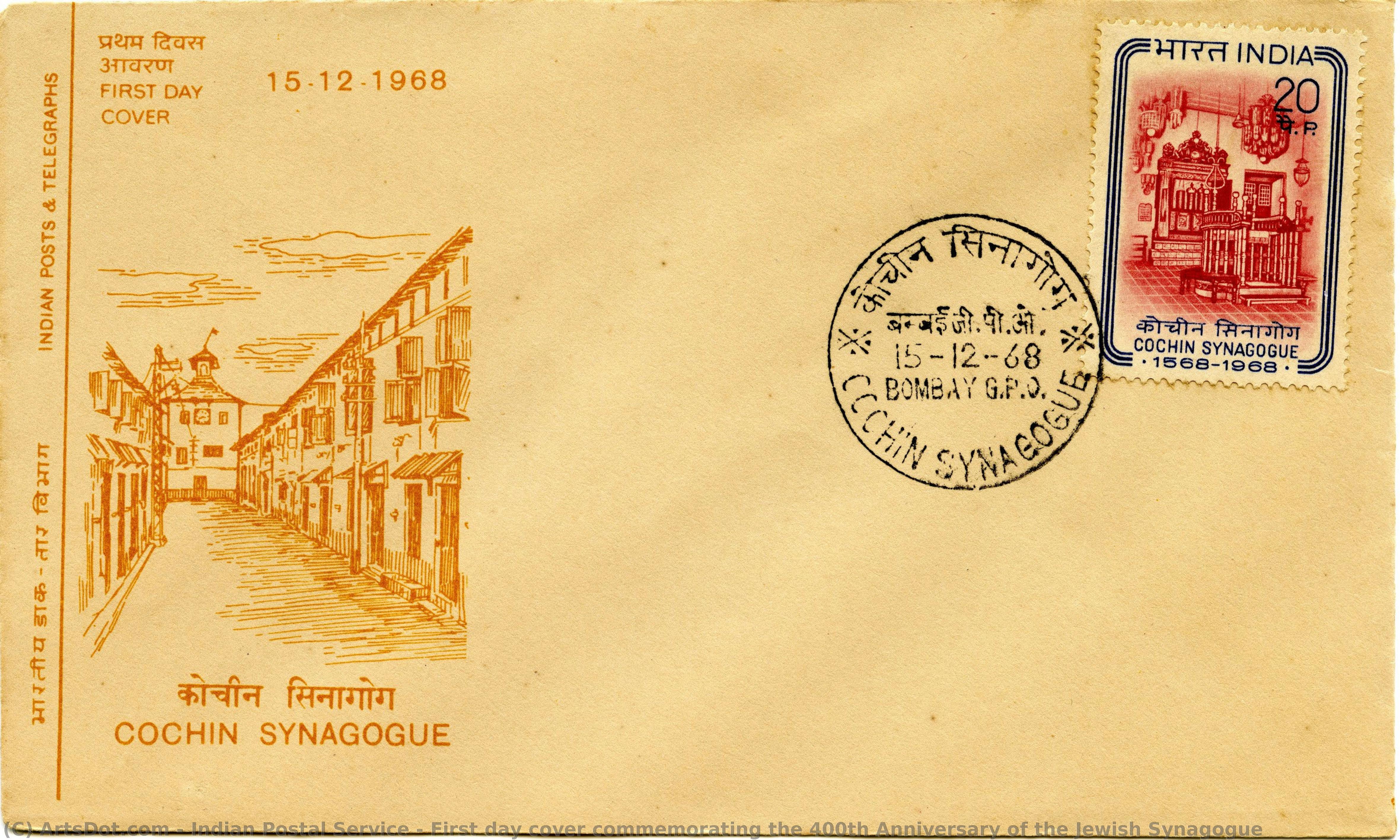
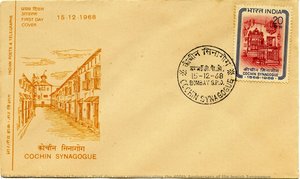
First day cover commemorating the 400th Anniversary of the Jewish Synagogue


 Читать далее
Жикле / Арт-принт
Печать (жикле) или холст музейного качества с быстрыми сроками изготовления и широким выбором вариантов отделки. ( Купить картину ручной работы Перейти к цифровым изображениям)




P118B $10

P118H $10

P118W $10

P438Z $10

P508JH $12

P508YH $12

P805H $10

P805Z $10

P919BZ $10

P919G $10

P919XJ $10

P959ZH $10

P968JZ $12

W106C $8

W218G $10

W218JH $8

W218Y $10

W307PJ $10

W316G $10

W316PJ $8

W316Y $10

W398PJ $8

W4111J $10

W500HY $15

W500JH $15

W692G $12

W849H $8

W940BG $15

W953PJ $8




Выберите один из наших стандартных размеров, соответствующих оригинальным пропорциям произведения искусства.

Вы можете указать свои собственные размеры, чтобы репродукция идеально подошла под конкретную раму или пространство. Если выбранный вами размер не будет соответствовать пропорциям оригинала, мы либо обрежем произведение, либо дополним изображение зеркальным отражением краев или однотонной заливкой. Перед началом производства вам будет отправлен цифровой макет для утверждения.
Пожалуйста, обратите внимание, что предварительный просмотр на экране не отображает фактическую обрезку или расширение изображения. Только макет точно покажет финальную композицию.
Несмотря на возможность заказа индивидуальных размеров, мы рекомендуем выбирать размер из предопределенного списка, чтобы сохранить оригинальные пропорции.
Доставка по всему миру () за 2 недели вместо стандартных 4/5 недель. (11 Сентябрь)

Бесплатная экспресс-доставка по всему миру

Высококачественный льняной холст

Полное страхование доставки

Гарантия возмещения таможенных пошлин

Гарантия точного соответствия цветов

100-дневная политика возврата (только при обнаружении дефектов)

Гарантия возврата 100% средств

Предложение оптовых скидок
 Вариант со стеклом доступен только для размеров менее 110 см

First day cover commemorating the 400th Anniversary of the Jewish Synagogue
Жикле / Арт-принт
Размер репродукции
-


Итоговая стоимость
$ 62
A Timeless Commemoration: The Echoes of Kochi
In the delicate intersection of philately and historical memory lies a profound tribute to one of India’s most enduring cultural legacies. This exquisite first day cover, issued by the Indian Postal Service in 1968, serves as much more than a mere postal artifact; it is a window into the soul of the Jewish community in Kerala. The piece commemorates the 400th anniversary of the rebuilding of the iconic Kochi synagogue, an event that anchors a lineage of faith and commerce stretching back to the end of the first millennium. Through its sepia-toned palette, the artwork evokes a sense of nostalgia, transporting the viewer to an era where the pulse of trade and the sanctity of tradition beat in perfect unison.
The visual narrative presented in this painting is one of movement and continuity. A bustling street scene unfolds, where the rhythmic passage of a train and the steady flow of pedestrians on the sidewalk create a tapestry of daily life. The use of sepia tones acts as a stylistic bridge between the present and the past, casting a warm, antique glow over the composition that suggests the fading edges of an old photograph. This choice of technique imbues the scene with a quiet dignity, inviting collectors to contemplate the layers of history embedded within the Malabar Coast—from the ancient copper plates of the 10th century to the vibrant mercantile exchanges documented in the Cairo Geniza.
Symbolism and the Art of Connection
Beyond its surface beauty, the artwork is rich with symbolic weight. The inclusion of the postcard and stamps within the composition serves as a meta-commentary on the nature of communication and preservation. Just as the postal service carries messages across vast distances, this piece carries the memory of the Jewish traders who once exported spices, medicines, and metals from India to the Middle East. The imagery of the street scene, with figures positioned at varying depths, mirrors the way history itself is layered—some moments are in sharp focus while others linger as shadows in the background of our collective consciousness.
For the discerning collector or interior designer, this piece offers a unique opportunity to introduce a conversation starter into a curated space. It is not merely a depiction of a historical milestone but an emotional journey through themes of migration, protection, and resilience. The painting captures the essence of a community that found sanctuary and prosperity under the patronage of the Rajah of Kochi, making it a poignant addition to any collection focused on global heritage or the intersection of art and sociology. To possess a reproduction of this work is to hold a fragment of a much larger, beautiful story of human connection across the seas.
Похожие произведения
Биография художника
The Indian Postal Service: A Legacy of Art and Nationhood
The Indian Postal Service, more than just a delivery mechanism, has served as an extraordinary canvas for artistic expression throughout its history—a testament to India’s cultural heritage and evolving identity. From humble beginnings in 1854 under British rule to its current status as the world's largest postal network, the service has consistently championed commemorative covers and postal art projects that reflect significant moments in Indian history. This vast institution has acted as a silent curator of the nation's soul, using the miniature medium of the postage stamp to broadcast visual narratives across borders and generations.
Early philatelists recognized the potential of stamps not merely for communication but also for preserving visual legacies. Initial designs focused on portraits of monarchs and dignitaries—a reflection of colonial influence—yet swiftly embraced themes celebrating India’s independence movement, religious figures, and cultural traditions. This evolution demonstrates a deliberate effort to solidify national pride and disseminate knowledge about India's rich past. Through the delicate art of engraving and lithography, the service transformed simple paper into windows of historical significance, capturing everything from the architectural majesty of ancient temples to the poignant struggles of the freedom fighters.
A Canvas of Commemoration and Cultural Memory
The artistry found within the Indian Postal Service extends far beyond the standard postage stamp, reaching into the realm of exquisite first-day covers and commemorative philatelic art. These pieces often serve as profound tributes to India’s enduring cultural legacies. For instance, a notable 1968 first day cover commemorating the 400th anniversary of the rebuilding of the iconic Kochi synagogue illustrates how postal artifacts can become windows into the soul of specific communities. Through sepia-toned palettes and intricate compositions, such works evoke a sense of nostalgia, transporting the viewer to eras where trade, faith, and tradition moved in perfect unison.
The visual narrative presented in these postal artworks often utilizes movement and continuity to tell a story. One might find bustling street scenes unfolding within a single cover, where the rhythmic passage of a train or the steady flow of pedestrians creates a tapestry of daily life. The use of specific techniques, such as sepia tones, acts as a stylistic bridge between the present and the past, casting a warm, antique glow that suggests the fading edges of an old photograph. This choice of technique imbues the scenes with a quiet dignity, inviting collectors to contemplate the layers of history embedded within the Indian landscape.
The Global Context of Postal Artistry
While deeply rooted in Indian identity, the artistry of the Indian Postal Service exists within a broader global conversation regarding communication and cultural exchange. The Smithsonian’s National Postal Museum in Washington D.C., established in 1974, stands as a beacon of this shared history. Its extensive collection showcases stamps from across the globe—including India—spanning centuries, illustrating how communication has shaped artistic trends and facilitated the movement of ideas. Exhibits delving into printing techniques like lithography and engraving highlight the technical innovations that contributed to the beauty and accuracy of these miniature masterpieces.
The enduring relevance of this medium is further seen in contemporary initiatives where postal art projects are used to explore local history and culture through creative visual mediums. These endeavors underscore the role of stamps as instruments for storytelling and fostering an appreciation for artistic heritage—a legacy that extends far beyond their practical function. The Indian Postal Service remains a vital participant in this global tradition, ensuring that the pulse of the nation's history continues to be felt through every letter, stamp, and commemorative piece issued.
indian postal service
India
Основные сведения
- Artistic Movement Or Style: Nationalism
- Artists Or Movements Influenced By This Artist: ['Hindu Revival']
- Artists Who Influenced This Artist: ['Henry George']
- Date Of Birth: October 2nd, 1869
- Full Name: Mohandas Karamchand Gandhi
- Nationality: Indian
- Notable Artworks: ['Gandhi Stamp']
- Place Of Birth: Porbandar, Gujarat
Похожие статьи
Топ-10 знаменитых картин в земляных тонах: искусство, история и декор от ArtsDot
Погрузитесь в мир знаменитых картин в земляных тонах! От Ван Гога до Моне – узнайте истории, техники и вдохновение великих мастеров. Купите репродукции высокого качества для вашего интерьера на ArtsDot.com
Топ-10 знаменитых картин в "грибных" тонах: искусство для вашего интерьера
Погрузитесь в мир искусства с нашей коллекцией из 10 знаменитых картин в "грибных" тонах! Узнайте истории Моне, Ван Гога и других великих мастеров. Репродукции высокого качества для вашего интерьера на ArtsDot.com.
The Resonance of Earthly Tones: Exploring Nuance, History & Emotional Impact in Art
Explore the captivating world of earth tones in art! Discover historical context, emotional resonance & artistic techniques behind these timeless colors. Find inspiration for your home decor and museum-quality reproductions.
Echoes of Time: Nostalgia, Technique & Cultural Significance in Vintage Paintings
Explore the captivating world of vintage paintings! Discover key styles, cultural significance & collecting tips from art experts at ArtsDot. Find authentic reproductions and elevate your home décor.
Топ-10 шедевров в песочных тонах: искусство, вдохновляющее интерьер
Погрузитесь в мир искусства с нашей коллекцией из 10 шедевров в песочных тонах! Узнайте истории Моне, Ван Гога и других великих художников. Репродукции картин для вдохновения интерьера – на ArtsDot.com