

 Предпросмотр
 Поделиться
 Поделиться
 Детали произведения

 Скачать
 Похожие работы
 Рентгенография
 Слайд-шоу
 Статистика
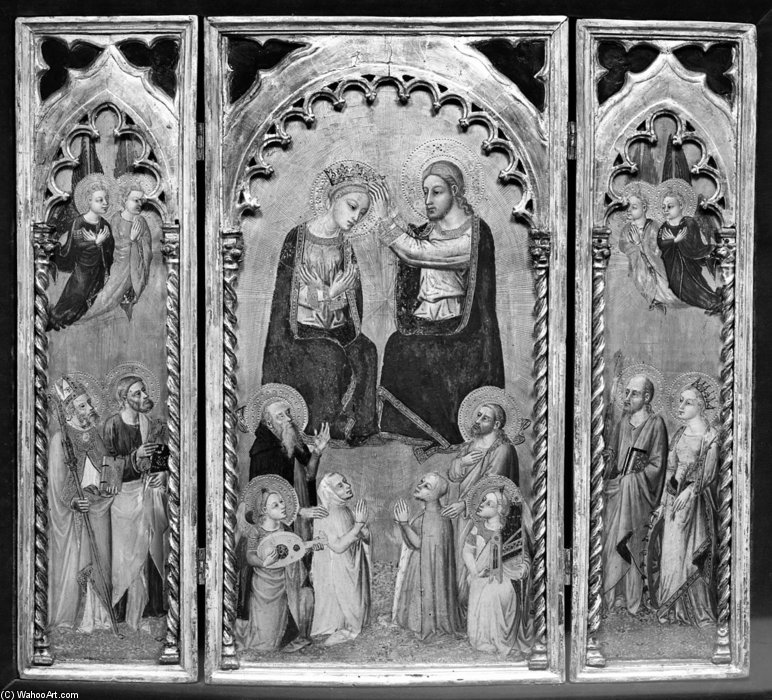
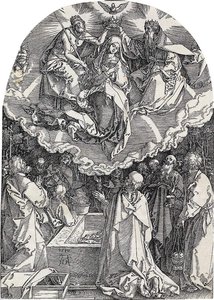
Coronation Of The Virgin
 Читать далее
Приобретите цифровое изображение высокого разрешения в улучшенном качестве, которое значительно превосходит онлайн-превью.
Каждый файл тщательно подготавливается нашими специалистами с использованием передовых инструментов и экспертной ручной ретуши. Мы гарантируем исключительную четкость, точную цветопередачу и детальную проработку каждого изображения.
Финальный файл доставляется по электронной почте в течение 72 часов и оптимизирован для немедленного использования в профессиональной среде, при верстке и печати. Это тот же уровень качества, которому доверяют ведущие дизайнерские студии, издательства и галереи.
Цифровое изображение
Скачайте файл высокого разрешения для личного использования, печати и творческих проектов. ( Перейти к печати Купить картину ручной работы)
Включено в каждый заказ цифровых изображений
Гарантия экспертной цифровой доставки
Выбирая ArtsDot.com, вы получаете не просто изображение — вы приобретаете профессионально обработанное цифровое произведение искусства, созданное с безупречной точностью и под защитой гарантии качества. Вот всё, что автоматически входит в ваш заказ:

Мгновенная доставка по e-mail
Ваш цифровой файл в высоком разрешении будет отправлен вам по электронной почте в течение 72 часов после оформления заказа — и сразу станет доступен для использования.

Цифровой файл с ИИ-улучшением
Ваше произведение искусства проходит профессиональную оптимизацию с использованием передовых инструментов ИИ и ручной обработки, что гарантирует максимальную детализацию, четкость и точность цветопередачи.

Бессрочная бесплатная повторная доставка
Случайно удалили или потеряли файл? Не беспокойтесь — мы отправим его вам повторно в любое время и совершенно бесплатно.

Без импортных пошлин — навсегда
Наслаждайтесь вашим произведением искусства мгновенно без таможенных пошлин, сборов или затрат на доставку — цифровые загрузки всегда не облагаются налогом.

Гарантия точности цветопередачи
Мы гарантируем, что ваше цифровое изображение максимально точно передает оригинальные цвета благодаря использованию профессиональных инструментов и систем управления цветом.

Гарантия удовлетворенности 100 дней
Если вы не будете удовлетворены своим цифровым изображением, мы внесем правки или вернем 100% стоимости в течение 100 дней — без лишних вопросов.

100% Гарантия возврата средств
Не удовлетворены покупкой? Получите полный возврат средств в течение 100 дней после получения цифрового файла — без лишних вопросов.

Скидки на оптовые заказы
Купите 3 изображения, сэкономьте 10% — Купите 5, сэкономьте 15% — Купите 10+, сэкономьте 20%. Отличное решение для творческих проектов, галерей и агентств.
Похожие произведения
Биография художника
Early Life and Florentine Beginnings
Niccolò di Tommaso, a name resonating softly within the annals of fourteenth-century Italian painting, emerged in Florence around 1346. Documented as joining the Arte dei Medici e Speziali – the guild encompassing painters at that time – his early career unfolded amidst the burgeoning artistic energy of the city. While details of his personal life remain elusive, the records paint a picture of an artisan diligently establishing himself within the established Florentine art world. It was in these formative years that the influence of Maso di Banco began to subtly shape his style, a grounding presence evident in the solidity and clarity of his figures.
However, Niccolò wasn’t destined for solitary development. A pivotal collaboration with Nardo di Cione around 1370 proved transformative. Their combined efforts on the Strozzi Chapel within Santa Maria Novella represent a crucial juncture in Niccolò's artistic trajectory. This project exposed him to a broader palette of expression and refined his narrative skills, laying the foundation for his subsequent independent endeavors. The chapel’s frescoes, though a collective undertaking, bear traces of Niccolò’s emerging hand – a sensitivity to detail and an increasing confidence in depicting emotional nuance.
Expanding Horizons: Naples and Pistoia
The year 1370 also marked Niccolò's first documented foray beyond Florence, with work undertaken at the church of San Giovanni Fuorcivitas in Pistoia. This commission signaled a growing reputation and an expanding network of patronage. But it was his journey to Naples in 1371 that truly broadened his artistic scope. There, he accepted the challenging task of creating a polyptych for the church of Sant’Antonio Abate. The Neapolitan commission demanded adaptation – a shift from the distinctly Florentine aesthetic towards a style more attuned to the Southern Italian sensibilities of the court of Joanna I.
Upon his return to Tuscany, Niccolò embarked on what is considered one of his most significant achievements: the fresco cycle for the Convento del Tau in Pistoia. This undertaking allowed him full artistic control and showcased a maturity that distinguished him as a leading painter of his generation. The frescoes at Tau are not merely decorative; they are imbued with a profound spiritual intensity, reflecting Niccolò’s growing mastery of narrative composition and emotional expression.
A Synthesis of Influences and Artistic Style
Niccolò di Tommaso's art is characterized by a compelling synthesis of influences. The foundational solidity inherited from Maso di Banco provided a structural framework for his compositions, while the collaborative experience with Nardo di Cione instilled a refined sense of color and narrative clarity. However, Niccolò wasn’t simply an imitator; he possessed a unique ability to blend these elements with a growing personal sensibility.
His figures, though grounded in realistic proportions, are often imbued with a gentle grace and emotional depth. He demonstrated a particular skill in depicting religious scenes – notably the Coronation of the Virgin, now housed in the Accademia in Venice, and the harrowing Massacre of the Innocents, preserved in the Uffizi Gallery in Florence. These works reveal a nuanced understanding of human emotion, conveyed through subtle gestures and expressive facial features. The Madonna del Parto within the church of San Lorenzo, Florence, further exemplifies his sensitivity to maternal tenderness and spiritual devotion.
Legacy and Historical Significance
While Niccolò di Tommaso may not be as widely celebrated as some of his contemporaries, his contribution to the development of Florentine painting is undeniable. He stands as a crucial link between the traditions of the early Trecento and the emerging innovations of the Renaissance. His prolific output – over fifty pictures are now attributed to him – testifies to his industriousness and sustained demand from patrons across Tuscany and beyond.
His work offers valuable insight into the artistic exchange between Florence, Naples, and other Italian centers during a period of significant cultural transformation. Niccolò’s ability to adapt his style to diverse regional preferences while maintaining a distinct personal voice underscores his importance as a versatile and accomplished painter. He represents a generation of artists who skillfully navigated the complexities of patronage, tradition, and innovation, leaving behind a legacy of devotional art that continues to resonate with viewers today.
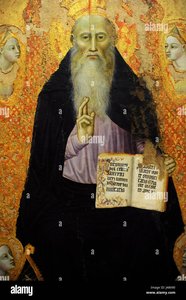
niccolò di tommaso
1346 - 1376 , Italy
Основные сведения
- Artistic Movement Or Style: Early Renaissance
- Artists Or Movements Influenced By This Artist: ['Maso di Banco']
- Artists Who Influenced This Artist:
- Maso di Banco
- Nardo di Cione
- Date Of Birth: Florence, Italy (1346)
- Full Name: Niccolò di Tommaso
- Nationality: Italian
- Notable Artworks:
- San Niccolò In Prato-affresco Sala Consiliare
- Virgin Mary
- Massacre of Innocents
- Coronation of the Virgin
- Saint Bridget and the Vision of the Nativity
- Place Of Birth: Florence