

 Предпросмотр
 Поделиться
 Поделиться
 Детали произведения

 Скачать
 Похожие работы
 Рентгенография
 Слайд-шоу
 Статистика
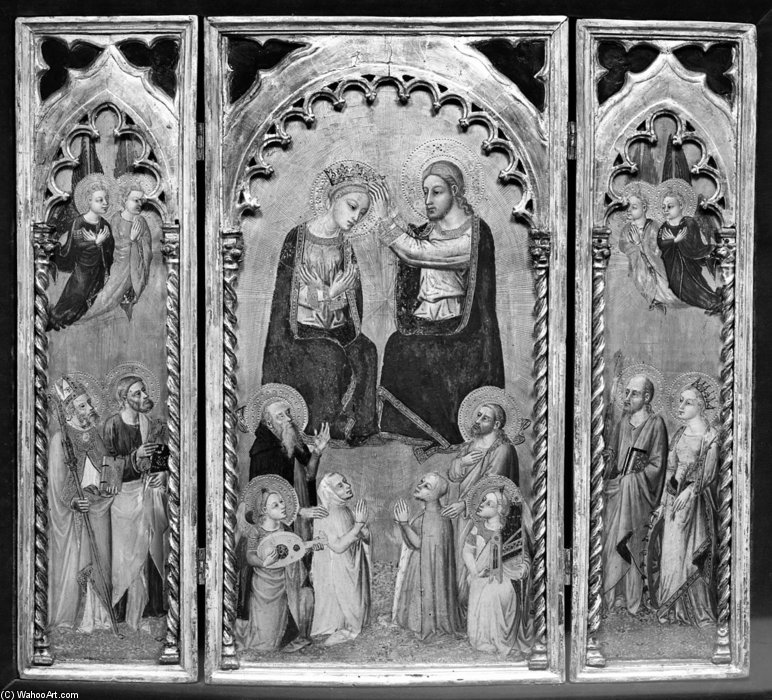
Coronation Of The Virgin
 Читать далее
Жикле / Арт-принт
Печать (жикле) или холст музейного качества с быстрыми сроками изготовления и широким выбором вариантов отделки. ( Купить картину ручной работы Перейти к цифровым изображениям)




































Выберите один из наших стандартных размеров, соответствующих оригинальным пропорциям произведения искусства.

Вы можете указать свои собственные размеры, чтобы репродукция идеально подошла под конкретную раму или пространство. Если выбранный вами размер не будет соответствовать пропорциям оригинала, мы либо обрежем произведение, либо дополним изображение зеркальным отражением краев или однотонной заливкой. Перед началом производства вам будет отправлен цифровой макет для утверждения.
Пожалуйста, обратите внимание, что предварительный просмотр на экране не отображает фактическую обрезку или расширение изображения. Только макет точно покажет финальную композицию.
Несмотря на возможность заказа индивидуальных размеров, мы рекомендуем выбирать размер из предопределенного списка, чтобы сохранить оригинальные пропорции.
Доставка по всему миру () за 2 недели вместо стандартных 4/5 недель. (13 Сентябрь)

Бесплатная экспресс-доставка по всему миру

Высококачественный льняной холст

Полное страхование доставки

Гарантия возмещения таможенных пошлин

Гарантия точного соответствия цветов

100-дневная политика возврата (только при обнаружении дефектов)

Гарантия возврата 100% средств

Предложение оптовых скидок
 Вариант со стеклом доступен только для размеров менее 110 см

Coronation Of The Virgin
Жикле / Арт-принт
Размер репродукции
-


Итоговая стоимость
$ 62
Похожие произведения
Биография художника
Early Life and Florentine Beginnings
Niccolò di Tommaso, a name resonating softly within the annals of fourteenth-century Italian painting, emerged in Florence around 1346. Documented as joining the Arte dei Medici e Speziali – the guild encompassing painters at that time – his early career unfolded amidst the burgeoning artistic energy of the city. While details of his personal life remain elusive, the records paint a picture of an artisan diligently establishing himself within the established Florentine art world. It was in these formative years that the influence of Maso di Banco began to subtly shape his style, a grounding presence evident in the solidity and clarity of his figures.
However, Niccolò wasn’t destined for solitary development. A pivotal collaboration with Nardo di Cione around 1370 proved transformative. Their combined efforts on the Strozzi Chapel within Santa Maria Novella represent a crucial juncture in Niccolò's artistic trajectory. This project exposed him to a broader palette of expression and refined his narrative skills, laying the foundation for his subsequent independent endeavors. The chapel’s frescoes, though a collective undertaking, bear traces of Niccolò’s emerging hand – a sensitivity to detail and an increasing confidence in depicting emotional nuance.
Expanding Horizons: Naples and Pistoia
The year 1370 also marked Niccolò's first documented foray beyond Florence, with work undertaken at the church of San Giovanni Fuorcivitas in Pistoia. This commission signaled a growing reputation and an expanding network of patronage. But it was his journey to Naples in 1371 that truly broadened his artistic scope. There, he accepted the challenging task of creating a polyptych for the church of Sant’Antonio Abate. The Neapolitan commission demanded adaptation – a shift from the distinctly Florentine aesthetic towards a style more attuned to the Southern Italian sensibilities of the court of Joanna I.
Upon his return to Tuscany, Niccolò embarked on what is considered one of his most significant achievements: the fresco cycle for the Convento del Tau in Pistoia. This undertaking allowed him full artistic control and showcased a maturity that distinguished him as a leading painter of his generation. The frescoes at Tau are not merely decorative; they are imbued with a profound spiritual intensity, reflecting Niccolò’s growing mastery of narrative composition and emotional expression.
A Synthesis of Influences and Artistic Style
Niccolò di Tommaso's art is characterized by a compelling synthesis of influences. The foundational solidity inherited from Maso di Banco provided a structural framework for his compositions, while the collaborative experience with Nardo di Cione instilled a refined sense of color and narrative clarity. However, Niccolò wasn’t simply an imitator; he possessed a unique ability to blend these elements with a growing personal sensibility.
His figures, though grounded in realistic proportions, are often imbued with a gentle grace and emotional depth. He demonstrated a particular skill in depicting religious scenes – notably the Coronation of the Virgin, now housed in the Accademia in Venice, and the harrowing Massacre of the Innocents, preserved in the Uffizi Gallery in Florence. These works reveal a nuanced understanding of human emotion, conveyed through subtle gestures and expressive facial features. The Madonna del Parto within the church of San Lorenzo, Florence, further exemplifies his sensitivity to maternal tenderness and spiritual devotion.
Legacy and Historical Significance
While Niccolò di Tommaso may not be as widely celebrated as some of his contemporaries, his contribution to the development of Florentine painting is undeniable. He stands as a crucial link between the traditions of the early Trecento and the emerging innovations of the Renaissance. His prolific output – over fifty pictures are now attributed to him – testifies to his industriousness and sustained demand from patrons across Tuscany and beyond.
His work offers valuable insight into the artistic exchange between Florence, Naples, and other Italian centers during a period of significant cultural transformation. Niccolò’s ability to adapt his style to diverse regional preferences while maintaining a distinct personal voice underscores his importance as a versatile and accomplished painter. He represents a generation of artists who skillfully navigated the complexities of patronage, tradition, and innovation, leaving behind a legacy of devotional art that continues to resonate with viewers today.
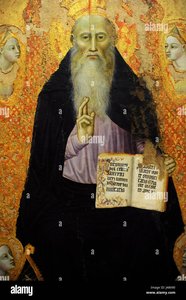
niccolò di tommaso
1346 - 1376 , Italy
Основные сведения
- Artistic Movement Or Style: Early Renaissance
- Artists Or Movements Influenced By This Artist: ['Maso di Banco']
- Artists Who Influenced This Artist:
- Maso di Banco
- Nardo di Cione
- Date Of Birth: Florence, Italy (1346)
- Full Name: Niccolò di Tommaso
- Nationality: Italian
- Notable Artworks:
- San Niccolò In Prato-affresco Sala Consiliare
- Virgin Mary
- Massacre of Innocents
- Coronation of the Virgin
- Saint Bridget and the Vision of the Nativity
- Place Of Birth: Florence