


 Предпросмотр
 Поделиться
 Поделиться
 Детали произведения

 Скачать
 Похожие работы
 Рентгенография
 Слайд-шоу
 Статистика
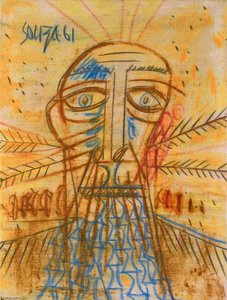
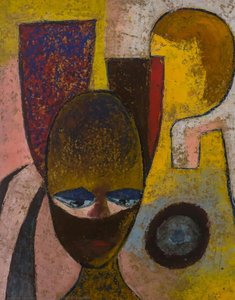
Locust and ego-portrait
 Cubism
 1977
1977 53.0 x 45.0 cm
 Shimada City Museum
 Читать далее
Масляная репродукция ручной работы
Картина маслом на холсте в выбранном вами размере и раме, написанная на заказ нашими художниками. ( Перейти к печати Перейти к цифровым изображениям)




































Выберите один из наших стандартных размеров, соответствующих оригинальным пропорциям произведения искусства.

Вы можете указать собственные размеры, чтобы картина идеально вписалась в выбранную раму или пространство. Если выбранный вами размер не соответствует пропорциям оригинала, мы либо обрежем полотно, либо расширим его за счет дополнительных элементов, написанных вручную. Цифровой макет будет отправлен вам на утверждение перед началом производства.
Обратите внимание, что предварительный просмотр на экране не отражает фактическую обрезку или расширение. Только макет точно покажет окончательную композицию.
Хотя доступны индивидуальные размеры, мы рекомендуем выбирать вариант из предопределенного списка, чтобы сохранить исходные пропорции.
После оформления заказа команда ArtsDot.com свяжется с клиентом по электронной почте для уточнения деталей и предоставит предварительный макет
Доставка по всему миру () за 3–4 недели вместо стандартных 5 недель. (14 Сентябрь). Без компромиссов в качестве.

Бесплатная экспресс-доставка по всему миру

Высококачественный льняной холст

Полное страхование доставки

Гарантия возмещения таможенных пошлин

Гарантия точного соответствия цветов

100-дневная политика возврата (только при обнаружении дефектов)

Гарантия возврата 100% средств

Предложение оптовых скидок
 Вариант со стеклом доступен только для размеров менее 110 см

Locust and ego-portrait
Техника репродукции
Размер репродукции
-


Итоговая стоимость
$ 263
Похожие произведения

Биография художника
The Transcultural Vision of Tamiji Kitagawa
Tamiji Kitagawa (1894–1989) stands as a monumental bridge between the delicate traditions of Japanese aesthetics and the bold, revolutionary currents of Western modernism. Born in Ushio, Shizuoka prefecture, his early life was steeped in the cultural richness of Japan, yet his spirit was inherently global. After honing his intellect at Waseda University, Kitagawa embarked on a transformative journey that would forever alter the trajectory of his brushwork. His odyssey through New York City and later Mexico allowed him to weave together disparate threads of human experience—from the geometric rigor of Cubism to the social fervor of Mexican muralism—into a singular, vibrant visual language.
The artist's formative years in the United States provided the crucible for his stylistic evolution. Immersed in the bustling artistic milieu of New York, he studied at the Art Students League under masters such as John Sloan and George B. Bridgman. It was here that Kitagawa began to move beyond the boundaries of traditional Japanese ink wash painting, embracing the gritty realism of urban life and the structural innovations of Cézanne. This period instilled in him a profound understanding of how light, form, and social reality could be synthesized to create art that was both aesthetically striking and socially resonant.
A Synthesis of Muralism and Modernity
Perhaps the most defining chapter of Kitagawa’s life began in 1921, when he arrived in Mexico during a period of intense revolutionary upheaval. This encounter with Mexican muralism would become the heartbeat of his mature style. Influenced by the humanist approach of Alfredo Ramos Martínez and the social mission of the Open Air Art Schools, Kitagawa learned to use art as a tool for communal connection and political expression. His work began to pulse with the energy of the masses, blending the monumental scale and social themes of the Mexican masters with a uniquely Japanese sensitivity toward nature and space.
His ability to navigate these diverse artistic landscapes allowed him to create works that are simultaneously unsettling and serene. In pieces such as Locust and ego-portrait, one can witness the haunting intersection of Surrealism and Cubism, where bold lines and vibrant blues evoke a sense of psychological depth. Conversely, his landscapes, such as Tea garden in the woods, reveal a quieter side of his genius, capturing the tranquil essence of the Japanese countryside through a lens that has been permanently transformed by his international travels.
Legacy and Historical Significance
The historical significance of Tamiji Kitagawa lies in his refusal to be confined by national or stylistic borders. He was a true cosmopolitan of the canvas, an artist who saw no conflict between the ancient traditions of Nihonga and the avant-garde provocations of the twentieth century. His life's work serves as a testament to the power of cultural exchange, demonstrating how the fusion of different worlds can produce a new, more profound way of seeing.
Throughout his long career, Kitagawa’s achievements left an indelible mark on both Japanese and Mexican art history. He remains a pivotal figure for those studying the global spread of modernism, representing a rare moment in history where the East and West did not merely meet, but actively merged to create something entirely new. His legacy continues to inspire, inviting viewers to explore the complex beauty found at the intersection of tradition and revolution.

tamiji kitagawa
1894 - 1989 , Japan
Основные сведения
- Artistic Movement Or Style: Post-impressionism, Expressionism, Cubist art, Mexican muralism
- Artists Or Movements Influenced By This Artist: ['Mexican muralism']
- Artists Who Influenced This Artist:
- John Sloan
- Alfredo Ramos Martínez
- Date Of Birth: None, Japan
- Date Of Death: April 26, 1989
- Full Name: Tamiji Kitagawa
- Nationality: Japanese
- Notable Artworks:
- Tea garden in the woods
- Locust and ego-portrait
- Place Of Birth: Ushio (Shimada), Shizuoka prefecture
Похожие статьи
10 шедевров кубизма и экспрессионизма: искусство, изменившее мир | ArtsDot
Погрузитесь в мир кубизма и экспрессионизма! 10 шедевров от Picasso, Braque, Kandinsky и других гениев. Узнайте историю создания культовых картин и найдите идеальную репродукцию для вашего интерьера на ArtsDot.com
The Allure of Azure: Exploring the Symbolic & Aesthetic Depths of Blue in Art History
Explore the rich history of blue in art! Discover its symbolism, from ancient pigments to modern masterpieces by Kandinsky & Seurat. Uncover the psychological impact and cultural meanings behind this captivating hue.
Azure Visions: Exploring Representations of the Blue Dress in Western Art History
Explore the rich history of the blue dress in Western art! Discover its symbolism, from Renaissance masterpieces to modern interpretations by artists like Martin & Schiele. Uncover cultural meanings and artistic techniques.
Топ-10 знаменитых картин в оттенках серо-голубого: искусство и декор от ArtsDot
Погрузитесь в мир серо-голубых оттенков! От Моне до Ренуара – 10 знаменитых картин, вдохновляющих на создание уникального интерьера. Репродукции высокого качества от ArtsDot.com. Explore the full collection online!
Serenity on Canvas: A Guide to the Timeless Beauty of Japanese Landscape Painting
Discover the serene beauty of Japanese landscape painting. From Hokusai's iconic woodblock prints to meditative sumi-e ink washes, explore a visual journey through the 'floating world' and learn how to bring this timeless Zen aesthetic into your modern home decor.