


 Предпросмотр
 Поделиться
 Поделиться
 Детали произведения

 Скачать
 Похожие работы
 Рентгенография
 Слайд-шоу
 Статистика
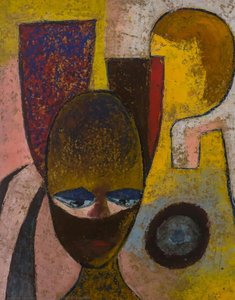
Locust and ego-portrait
 Cubism
 1977
1977 53.0 x 45.0 cm
 Shimada City Museum
 Читать далее
Приобретите цифровое изображение высокого разрешения в улучшенном качестве, которое значительно превосходит онлайн-превью.
Каждый файл тщательно подготавливается нашими специалистами с использованием передовых инструментов и экспертной ручной ретуши. Мы гарантируем исключительную четкость, точную цветопередачу и детальную проработку каждого изображения.
Финальный файл доставляется по электронной почте в течение 72 часов и оптимизирован для немедленного использования в профессиональной среде, при верстке и печати. Это тот же уровень качества, которому доверяют ведущие дизайнерские студии, издательства и галереи.
Цифровое изображение
Скачайте файл высокого разрешения для личного использования, печати и творческих проектов. ( Перейти к печати Купить картину ручной работы)
Включено в каждый заказ цифровых изображений
Гарантия экспертной цифровой доставки
Выбирая ArtsDot.com, вы получаете не просто изображение — вы приобретаете профессионально обработанное цифровое произведение искусства, созданное с безупречной точностью и под защитой гарантии качества. Вот всё, что автоматически входит в ваш заказ:

Мгновенная доставка по e-mail
Ваш цифровой файл в высоком разрешении будет отправлен вам по электронной почте в течение 72 часов после оформления заказа — и сразу станет доступен для использования.

Цифровой файл с ИИ-улучшением
Ваше произведение искусства проходит профессиональную оптимизацию с использованием передовых инструментов ИИ и ручной обработки, что гарантирует максимальную детализацию, четкость и точность цветопередачи.

Бессрочная бесплатная повторная доставка
Случайно удалили или потеряли файл? Не беспокойтесь — мы отправим его вам повторно в любое время и совершенно бесплатно.

Без импортных пошлин — навсегда
Наслаждайтесь вашим произведением искусства мгновенно без таможенных пошлин, сборов или затрат на доставку — цифровые загрузки всегда не облагаются налогом.

Гарантия точности цветопередачи
Мы гарантируем, что ваше цифровое изображение максимально точно передает оригинальные цвета благодаря использованию профессиональных инструментов и систем управления цветом.

Гарантия удовлетворенности 100 дней
Если вы не будете удовлетворены своим цифровым изображением, мы внесем правки или вернем 100% стоимости в течение 100 дней — без лишних вопросов.

100% Гарантия возврата средств
Не удовлетворены покупкой? Получите полный возврат средств в течение 100 дней после получения цифрового файла — без лишних вопросов.

Скидки на оптовые заказы
Купите 3 изображения, сэкономьте 10% — Купите 5, сэкономьте 15% — Купите 10+, сэкономьте 20%. Отличное решение для творческих проектов, галерей и агентств.
Похожие произведения



Биография художника
The Transcultural Vision of Tamiji Kitagawa
Tamiji Kitagawa (1894–1989) stands as a monumental bridge between the delicate traditions of Japanese aesthetics and the bold, revolutionary currents of Western modernism. Born in Ushio, Shizuoka prefecture, his early life was steeped in the cultural richness of Japan, yet his spirit was inherently global. After honing his intellect at Waseda University, Kitagawa embarked on a transformative journey that would forever alter the trajectory of his brushwork. His odyssey through New York City and later Mexico allowed him to weave together disparate threads of human experience—from the geometric rigor of Cubism to the social fervor of Mexican muralism—into a singular, vibrant visual language.
The artist's formative years in the United States provided the crucible for his stylistic evolution. Immersed in the bustling artistic milieu of New York, he studied at the Art Students League under masters such as John Sloan and George B. Bridgman. It was here that Kitagawa began to move beyond the boundaries of traditional Japanese ink wash painting, embracing the gritty realism of urban life and the structural innovations of Cézanne. This period instilled in him a profound understanding of how light, form, and social reality could be synthesized to create art that was both aesthetically striking and socially resonant.
A Synthesis of Muralism and Modernity
Perhaps the most defining chapter of Kitagawa’s life began in 1921, when he arrived in Mexico during a period of intense revolutionary upheaval. This encounter with Mexican muralism would become the heartbeat of his mature style. Influenced by the humanist approach of Alfredo Ramos Martínez and the social mission of the Open Air Art Schools, Kitagawa learned to use art as a tool for communal connection and political expression. His work began to pulse with the energy of the masses, blending the monumental scale and social themes of the Mexican masters with a uniquely Japanese sensitivity toward nature and space.
His ability to navigate these diverse artistic landscapes allowed him to create works that are simultaneously unsettling and serene. In pieces such as Locust and ego-portrait, one can witness the haunting intersection of Surrealism and Cubism, where bold lines and vibrant blues evoke a sense of psychological depth. Conversely, his landscapes, such as Tea garden in the woods, reveal a quieter side of his genius, capturing the tranquil essence of the Japanese countryside through a lens that has been permanently transformed by his international travels.
Legacy and Historical Significance
The historical significance of Tamiji Kitagawa lies in his refusal to be confined by national or stylistic borders. He was a true cosmopolitan of the canvas, an artist who saw no conflict between the ancient traditions of Nihonga and the avant-garde provocations of the twentieth century. His life's work serves as a testament to the power of cultural exchange, demonstrating how the fusion of different worlds can produce a new, more profound way of seeing.
Throughout his long career, Kitagawa’s achievements left an indelible mark on both Japanese and Mexican art history. He remains a pivotal figure for those studying the global spread of modernism, representing a rare moment in history where the East and West did not merely meet, but actively merged to create something entirely new. His legacy continues to inspire, inviting viewers to explore the complex beauty found at the intersection of tradition and revolution.

tamiji kitagawa
1894 - 1989 , Japan
Основные сведения
- Artistic Movement Or Style: Post-impressionism, Expressionism, Cubist art, Mexican muralism
- Artists Or Movements Influenced By This Artist: ['Mexican muralism']
- Artists Who Influenced This Artist:
- John Sloan
- Alfredo Ramos Martínez
- Date Of Birth: None, Japan
- Date Of Death: April 26, 1989
- Full Name: Tamiji Kitagawa
- Nationality: Japanese
- Notable Artworks:
- Tea garden in the woods
- Locust and ego-portrait
- Place Of Birth: Ushio (Shimada), Shizuoka prefecture