


 Предпросмотр
 Поделиться
 Поделиться
 Детали произведения

 Скачать
 Похожие работы
 Рентгенография
 Слайд-шоу
 Статистика
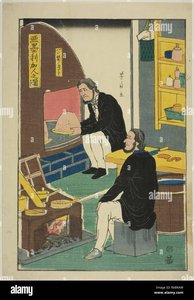
Print of french family
 Woodblock Print
- Ukiyo-e
 1861
1861- 19th Century
 36.0 x 26.0 cm
 Bujalance Collection
 Читать далее
Приобретите цифровое изображение высокого разрешения в улучшенном качестве, которое значительно превосходит онлайн-превью.
Каждый файл тщательно подготавливается нашими специалистами с использованием передовых инструментов и экспертной ручной ретуши. Мы гарантируем исключительную четкость, точную цветопередачу и детальную проработку каждого изображения.
Финальный файл доставляется по электронной почте в течение 72 часов и оптимизирован для немедленного использования в профессиональной среде, при верстке и печати. Это тот же уровень качества, которому доверяют ведущие дизайнерские студии, издательства и галереи.
Цифровое изображение
Скачайте файл высокого разрешения для личного использования, печати и творческих проектов. ( Перейти к печати Купить картину ручной работы)
Включено в каждый заказ цифровых изображений
Гарантия экспертной цифровой доставки
Выбирая ArtsDot.com, вы получаете не просто изображение — вы приобретаете профессионально обработанное цифровое произведение искусства, созданное с безупречной точностью и под защитой гарантии качества. Вот всё, что автоматически входит в ваш заказ:

Мгновенная доставка по e-mail
Ваш цифровой файл в высоком разрешении будет отправлен вам по электронной почте в течение 72 часов после оформления заказа — и сразу станет доступен для использования.

Цифровой файл с ИИ-улучшением
Ваше произведение искусства проходит профессиональную оптимизацию с использованием передовых инструментов ИИ и ручной обработки, что гарантирует максимальную детализацию, четкость и точность цветопередачи.

Бессрочная бесплатная повторная доставка
Случайно удалили или потеряли файл? Не беспокойтесь — мы отправим его вам повторно в любое время и совершенно бесплатно.

Без импортных пошлин — навсегда
Наслаждайтесь вашим произведением искусства мгновенно без таможенных пошлин, сборов или затрат на доставку — цифровые загрузки всегда не облагаются налогом.

Гарантия точности цветопередачи
Мы гарантируем, что ваше цифровое изображение максимально точно передает оригинальные цвета благодаря использованию профессиональных инструментов и систем управления цветом.

Гарантия удовлетворенности 100 дней
Если вы не будете удовлетворены своим цифровым изображением, мы внесем правки или вернем 100% стоимости в течение 100 дней — без лишних вопросов.

100% Гарантия возврата средств
Не удовлетворены покупкой? Получите полный возврат средств в течение 100 дней после получения цифрового файла — без лишних вопросов.

Скидки на оптовые заказы
Купите 3 изображения, сэкономьте 10% — Купите 5, сэкономьте 15% — Купите 10+, сэкономьте 20%. Отличное решение для творческих проектов, галерей и агентств.
A Window into a Changing World
In the delicate interplay of ink and paper, Utagawa Yoshikazu’s 1861 masterpiece, Print of French Family, captures a profound moment of cultural intersection. This exquisite piece of Yokohama-e art serves as more than just a portrait; it is a visual diary of an era when the borders of Japan were beginning to breathe in the influences of the West. The scene presents a European family—a man dressed in formal, structured attire, accompanied by a woman and a young child—standing before the modest threshold of a small house. There is a quiet, observational intimacy in the way Yoshikazu renders these figures, inviting the viewer to witness the gentle collision of two vastly different worlds through the lens of traditional Japanese woodblock printing.
The composition is masterfully balanced, utilizing the characteristic flattened perspective of the ukiyo-e style to create a sense of clarity and symbolic presence. While the subjects are Western, the artistic framework remains deeply rooted in the Japanese tradition. Strong, deliberate outlines define each figure, lending them a sculptural quality that stands out against the soft, geometric backdrop of the architecture. The use of color is both vibrant and controlled, with subtle gradations of tone suggesting the diffused light of an overcast day. This technique creates a serene atmosphere, where the textures of the clothing and the structural elements of the home are rendered with a rhythmic, almost musical precision that delights the eye.
The Artistry of the Woodblock
To behold this print is to appreciate the meticulous craftsmanship of the Utagawa school. The technique of woodblock printing requires an extraordinary level of planning and coordination between the artist, the carver, and the printer. Each color represents a separate block, carved with painstaking detail to ensure that the pigments align perfectly. In this work, Yoshikazu utilizes these layers to build depth without relying on Western chiaroscuro, instead using varying shades within the blocks to suggest form and shadow. The result is a piece that feels both graphic and atmospheric, making it an ideal centerpiece for those who appreciate art that combines bold, modern lines with historical soul.
Beyond its technical brilliance, the print carries a heavy weight of historical symbolism. Created during the twilight of the Edo period, it belongs to the Yokohama-e genre—a specific subset of ukiyo-e dedicated to documenting the arrival of foreigners in Japanese ports. The presence of the decorative scroll with Japanese characters on the periphery serves as a poignant reminder of the cultural dialogue occurring at the time. For the collector or interior designer, this artwork offers a sophisticated narrative of curiosity and adaptation. It is a piece that does not merely decorate a space but enriches it with a sense of global history, making it a timeless addition to any curated collection of fine art reproductions.
Похожие произведения
![Neko No Shibai 猫の芝居 [cat Theatre] — Утагава Кунимаса, Ukiyo-e](/media/artworks/images-thumb/94/a5/94a54e4879ac44853d6307509f6732d0.jpg)
Биография художника
Utagawa Yoshikazu: Witnessing a Changing Japan Through Woodblock Prints
Utagawa Yoshikazu, born in Tokyo during the late Edo period (approximately 1850-1870), stands as a pivotal figure in the vibrant world of Ukiyo-e art. While not as widely celebrated as some of his contemporaries like Hiroshige or Hokusai, Yoshikazu’s contribution is particularly significant for his extensive and insightful series documenting the arrival of Westerners and Western influences in Japan following the Treaty of Kanagawa with the United States in 1854. His work offers a unique window into a nation grappling with rapid modernization and cultural exchange – a period of profound transformation captured with remarkable detail and keen observation.
Yoshikazu’s artistic journey began under the tutelage of Kuniyoshi Utagawa, another prominent Ukiyo-e master known for his dynamic depictions of historical events and folklore. This formative influence undoubtedly shaped Yoshikazu's approach to composition, storytelling, and the skillful use of woodblock printing techniques. He frequently signed his works as Ichikawa Yoshikazu, a practice common among artists seeking to establish their brand and connect with patrons.
The Yokohama-e Series: A Chronicle of Western Encounters
Yoshikazu’s most enduring legacy lies in his “Yokohama-e” series. These prints, primarily produced between 1860 and 1870, focus almost exclusively on the port city of Yokohama – the primary gateway for foreign trade and immigration during this era. Unlike many Ukiyo-e artists who depicted idealized landscapes or celebrated heroic figures, Yoshikazu meticulously documented the everyday lives of Westerners in Japan: American families strolling through bustling streets, European merchants conducting business, missionaries engaged in their work, and the interactions between Japanese and foreign communities.
These weren’t romanticized portrayals; they were often unflinchingly realistic depictions of a society undergoing rapid change. Yoshikazu captured the unfamiliarity of Western clothing, architecture, and customs alongside the growing excitement and apprehension surrounding this influx of new influences. The prints offer invaluable social and historical insights, providing a visual record of a pivotal moment in Japanese history – the opening up to the West and its subsequent impact on Japanese society.
Technique and Style
As with most Ukiyo-e artists of his time, Yoshikazu employed the traditional collaborative process of woodblock printing. The artist would create the original design (the *nishiki-e*), which was then transferred to a block of cherry wood. Multiple blocks were created for each color in the print, and these blocks were inked and pressed onto Japanese paper to produce the final image. Yoshikazu’s prints are characterized by their meticulous detail, vibrant colors, and skillful use of perspective – particularly evident in his depictions of crowded cityscapes.
He demonstrated a particular mastery of capturing textures and materials, from the sheen of Western fabrics to the rough surfaces of Japanese buildings. His compositions often feature dynamic arrangements of figures, creating a sense of movement and immediacy. The influence of Kuniyoshi is noticeable in his use of dramatic lighting and bold outlines, though Yoshikazu developed a more restrained and observational style.
Notable Works and Historical Significance
Among Yoshikazu’s most celebrated works are prints like “American Family Print” (1861) and “Modern Ups and Downs Contests: Yokohama Merchants Referee (between) Entertainers and Non-workers,” which vividly portray the social dynamics of Yokohama during this period. These images offer glimpses into the burgeoning merchant class, the tensions between traditional Japanese values and Western influences, and the evolving urban landscape.
Utagawa Yoshikazu’s work is not merely aesthetically pleasing; it serves as a crucial historical document, providing invaluable insights into Japan's transition from a largely isolated nation to an increasingly interconnected world. His Yokohama-e series remains a testament to his artistic skill and his ability to capture the complexities of a transformative era – a period when Japan was irrevocably changed by its encounter with the West.
utagawa yoshikazu
Japan
Основные сведения
- Artistic Movement Or Style: Ukiyo-e, Yokohama-e
- Artists Who Influenced This Artist: ['Kuniyoshi Utagawa']
- Date Of Birth: Tokyo, Japan (c. 1850)
- Date Of Death: Living
- Full Name: Utagawa Yoshikazu
- Nationality: Japanese
- Notable Artworks:
- American Family Print
- French Family Print
- Modern Ups & Downs Contests
- Place Of Birth: Tokyo, Japan