



The Architectural Canvas: Integrating Art from Conception to Completion
 The Inevitable Canvas: Bespoke Art Design as Architectural Integration for Harmonious Interiors
The Architectural Canvas: Integrating Art from Conception Transforming Spatial Visions: A Concierge Approach to Art Integration for Interior Design and Architectural Projects Elevate your design projects with our expert art concierge services. We sou...
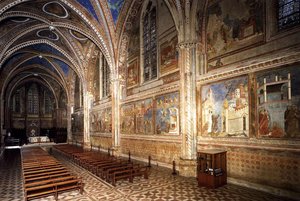
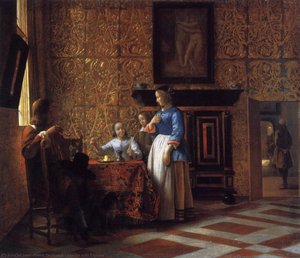
In the high-stakes world of hospitality design, a building is never merely a shell of concrete and glass; it is a vessel for experience. For the discerning designer, the true mastery of interior architecture lies in the ability to treat every wall as an inevitable canvas. Historically, this was not a modern luxury but a foundational principle. From the grand palazzi of Renaissance Italy, where frescoes were woven into the very plaster of the structure, to the meticulously planned expanses of Versailles, art has always functioned as an extension of architecture rather than a secondary ornament. When we approach a project with this level of intentionality, we move beyond simple decoration toward a profound narrative integration.
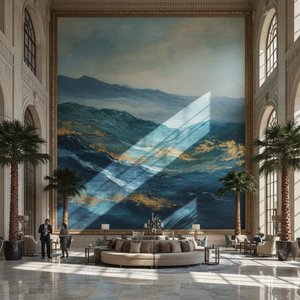
For procurement managers and hotel designers, the challenge is to transition from viewing art as an accessory to treating it as a foundational element of the spatial vision. This requires a proactive mindset where art is conceived alongside the architectural phase itself. A soaring, double-height lobby demands a different artistic response than an intimate, dimly lit lounge or a sunlit breakfast nook. The integration must consider not only the physical dimensions but also the interplay of natural light, the intended emotional tenor of the room, and the long-term durability required for high-traffic environments. When art is integrated from the moment of conception, it ceases to be an afterthought and becomes the soul of the space.
Harmonizing Eras: Matching Historical Masterpieces with Modern Interiors
 Harmonizing Contrasts: Integrating Abstract Art into Classic Interiors for Timeless Modernity
The Enduring Appeal of Classic Interiors: Why Abstract Art Complements Timeless Design Harmonizing Eras: Classical & Modern Art for Timeless Interiors Explore the art of blending classical & modern aesthetics for timeless interiors. Discover key arti...
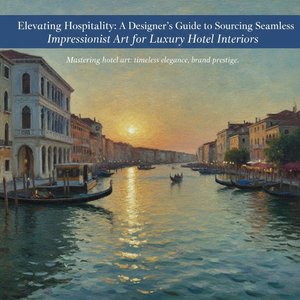
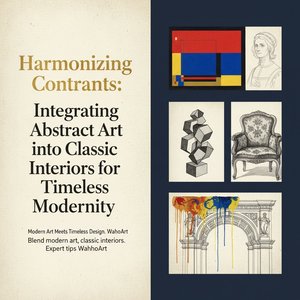
One of the most sophisticated techniques in contemporary luxury design is the art of harmonizing contrasts—the deliberate blending of classical grandeur with modern minimalism. There is a profound, enduring appeal in classic interiors that utilize symmetry, refined materials, and historical continuity to evoke a sense of order and beauty. However, within these established elegances lies an extraordinary opportunity to inject vitality through the use of abstract or impressionist works. This creates a conversation between eras, a subtle rebellion against the predictable that prevents a space from feeling like a museum period piece.
Integrating historical masterpieces into modern settings requires an understanding of the trajectory of art history. While classical aesthetics often prioritize meticulous representation and narrative detail, the movements that followed—Impressionism, Expressionism, and eventually Abstraction—expanded the boundaries of perception through color, form, and texture. By selecting a reproduction of a canonical work, such as the luminous, light-drenched canvases of Monet or the structured grandeur of the Renaissance, a designer can invite a dialogue between the modern dweller and the collective memory of humanity. This approach transforms a transient hotel space into a sanctuary of permanence, where every selected piece serves as a chapter in a larger story of taste and heritage.
Spatial Dynamics: Selecting Scale, Proportion, and Multi-Panel Layouts for Large-Scale Walls
 Spatial Concept
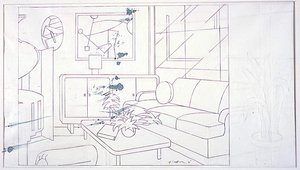
Lucio Fontana’s Spatial Concept: A Window Into Infinite Space Lucio Fontana's "Spatial Concept," painted in 1956, isn’t merely a painting; it’s an invitation to reconsider the very nature of art and its relationship to reality. This vibrant work, mea...
The physical scale of an artwork must respect the architectural hierarchy of the room. A common pitfall in large-scale hospitality projects is the use of undersized art that fails to command the necessary presence, leaving a vast wall feeling hollow and disconnected. To combat this, professional designers are increasingly turning to the multi-panel trend, utilizing group set paintings that split a single image across three, four, or even five panels. This technique is particularly effective for wide corridors, grand staircases, or expansive lobby walls, as it allows the artwork to mirror the architectural rhythm of the space.
When working with multi-panel layouts, the technical execution is paramount. The continuity of color and brushstroke across every panel is essential to ensure a cohesive, modern look that does not appear fragmented. Whether utilizing an expansive landscape or a complex portrait, the goal is to create a sense of movement that guides the viewer's eye through the composition. This spatial management ensures that the art does not merely sit upon the wall but actively shapes the perception of depth and volume within the room, turning a flat surface into a dynamic window of interest.
Color Theory and Materiality: Aligning Art Palettes with Interior Finishes
 Harmonizing History & Hue: A Guide to Matching Art Styles with Interior Architecture for Balanced Décor
Understanding Interior Architecture: Foundations & Key Principles Wikipedia: Interior architecture Interior architecture is the design of a building or shelter from inside out, or the design of a new interior for a type of home that can be fixed. It ...
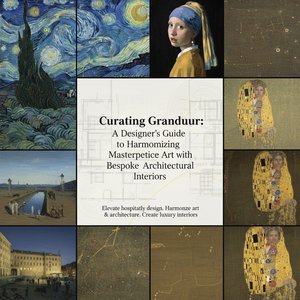
The success of an art installation often hinges on its relationship with the surrounding materiality. A sophisticated interior is a symphony of textures—marble, velvet, polished wood, and brushed metal. The artwork must either complement these tones or provide a calculated point of tension. For instance, a space defined by neutral, muted palettes can be elevated by the bold, energetic hues found in works like Lucio Fontana’s Spatial Concept, where vibrant reds and yellows pulse with contained energy against more structured backgrounds. Conversely, in an already richly textured environment, a more subdued, tonal work may be required to provide visual rest.
Beyond color, the physical medium of the art contributes to the room's tactile experience. The choice between a flat Giclée print and a hand-painted oil reproduction is significant; the latter offers visible brushstrokes and an impasto texture that adds a layer of physical depth impossible to achieve with digital printing. Furthermore, for projects requiring a specific aged aesthetic, the availability of an Aged & Cracked (craquelure) finish can help integrate new works into historic or neo-classical architectural settings, ensuring that the art feels as though it has always belonged to the structure.
Bespoke Solutions: Custom Commissions, Period Shifts, and Digital Mockups for Hospitality Design
 Mastering Art & Decor: How to Match Historical Masterpieces with Modern Interiors
The Philosophy of Intentionality: Curating Narratives Beyond Decoration The Decorator's Eye: How to Integrate Masterpiece Art into Luxury Interiors The Philosophy of Intentionality: Moving Beyond Decoration to Narrative Curating Elegance: The Connois...
In the pursuit of true exclusivity, the ability to "remix" art history offers unparalleled creative freedom. For designers working on branded hotel concepts, bespoke solutions allow for the customization of artwork to meet specific brand guidelines or color palettes. This can range from simple color adjustments to complex "Period Shifts," where a modern photograph is transformed into a 17th-century masterpiece in the style of Rembrandt. Such customization ensures that the art is not just selected for a space, but is uniquely engineered for it.
To mitigate the risks associated with large-scale commissions, the use of professional digital mockup services is an essential tool in the designer's repertoire. Before a single drop of oil touches the canvas, designers can see a digital rendering of the composition placed within a photo of their actual wall. This allows for unlimited revisions to scale, color, and placement, removing the uncertainty often associated with custom orders. Whether it is combining multiple figures for a group portrait or ensuring a specific shade of blue matches the upholstery, this level of precision is vital for maintaining project timelines and budget integrity.
Logistics of Luxury: Managing Procurement, Global Shipping, and Volume Orders
 Roger Thomas (designer)
Roger Thomas (born November 4, 1951) is an American interior designer best known for his work on resort hotels and casinos in Las Vegas, including the Bellagio, Wynn Las Vegas, and Encore Las Vegas His work also extends elsewhere, including Wynn Maca...
For the procurement manager, the aesthetic beauty of art must be matched by operational reliability. In large-scale hospitality rollouts, the ability to manage volume orders with efficiency is critical. This involves a streamlined process where order confirmation, digital mockups, and pre-shipment photo approvals are all integrated into a transparent management system. The designer requires a partner who understands the pressures of deadlines and the necessity of clear, tax-compliant documentation, such as VAT invoices and international customs support.
Global logistics must be seamless to ensure that art arrives on time and in pristine condition. Utilizing industrial-grade packaging—such as 3mm tubes for rolled canvases and reinforced double-walled boxes for framed pieces—is non-negotiable. When partnering with reliable suppliers who utilize established carriers like DHL Express or FedEx, the designer can trust that even the most complex international shipments will arrive safely. Ultimately, the goal of art procurement in a professional context is to provide a dependable, scalable service that allows the designer to focus on their creative vision, knowing that the logistical execution is handled with academic excellence and industrial precision.