



The Philosophy of Permanence: Rejecting Digital Ephemerality for Artistic Longevity
 Sustainable Elegance: Why Custom Oil Paintings are the Ultimate Zero-Waste Investment
The Philosophy of Permanence: Rejecting Digital Ephemerality for Artistic Longevity Handcrafted Heritage: Sustainability and Artistic Longevity in the Age of Custom Oil Paintings The Enduring Appeal of Handcrafted Oil Paintings: A Legacy of Skill and...
In an era increasingly defined by the rapid flicker of digital screens, where images are consumed and discarded with a single swipe, a profound longing has emerged among the world’s most discerning collectors. We inhabit a landscape of digital ephemerality, a transient culture where high-definition pixels, while visually striking, lack the physical weight of history. This fleeting nature of modern existence leaves behind no trace, creating an aesthetic void that feels profoundly disconnected from the concept of home. To choose art is to make a stand against this disposability; it is an embrace of permanence in a world of shadows.
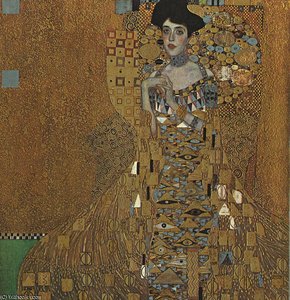
The true value of a masterpiece lies not in its ability to capture a momentary trend, but in its capacity to transcend time. When one contemplates the works of the Old Masters—the dramatic chiaroscuro of Caravaggio or the delicate luminosity of Vermeer—one is engaging with a physical manifestation of human thought and intention that has survived centuries. This pursuit of longevity is, at its core, an act of resistance against the culture of the temporary. By investing in works that possess inherent durability, we anchor our spaces and our legacies in something substantial, creating a sanctuary of stability amidst the chaos of modern change.
The Environmental Cost of 'Fast Decor': Moving Beyond Disposable Mass-Produced Prints
 Sustainable Soul: Why Hand-Painted Custom Art is the Ultimate Zero-Waste Decor Choice
The Death of Disposable Decor: Moving Beyond Mass-Produced Prints Sustainable design Environmentally sustainable design (also called environmentally conscious design, eco-design and related terms) is an approach to designing products, buildings, land...
Our living spaces have increasingly become victims of a transient aesthetic known as "fast decor." Much like the rapid cycles of fashion, mass-produced canvas prints and digital reproductions are often discarded as quickly as seasonal trends fade. This culture of disposability does more than just clutter our homes; it strips them of their character, leaving behind interiors that feel sterile and ephemeral. The environmental cost of this throwaway culture is significant, contributing to a cycle of waste that contradicts the values of modern, conscious living.
When we settle for low-quality prints that fade under sunlight or warp with humidity, we are participating in a system of constant replacement. This "cradle-to-grave" model of consumption leads to an accumulation of waste in landfills and oceans, a reality that the modern luxury buyer is beginning to reject. True prestige no longer lies in how much one can acquire, but in the enduring quality of what one chooses to keep. Moving beyond mass production requires a shift toward curation over collection, transitioning from being mere consumers of trends to becoming stewards of beauty.
Tactile Heritage: The Ecological and Aesthetic Superiority of Hand-Painted Oils
 Impasto
Impasto is a technique used in painting where paint is laid on an area of the surface thickly, usually thick enough that the brush or painting-knife strokes are visible. Paint can also be mixed right on the canvas. When dry, impasto provides texture;...
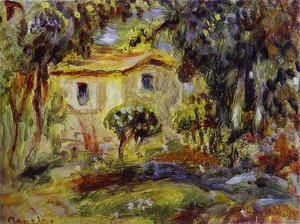
There is an undeniable soul found within the physical texture of a hand-painted work. Unlike the sterile perfection of a digital print, an oil painting possesses an inherent quality of permanence through its tactile depth. Techniques such as impasto—where paint is laid thickly upon the surface so that brushstrokes are visible—allow the light to reflect in unique ways, giving the artist control over the play of light and shadow. This texture provides a sensory experience that digital media simply cannot replicate, inviting the viewer to linger and trace the subtle variations in the canvas.
The superiority of hand-painted reproductions lies in their material integrity. Each stroke is a testament to the artist's skill and the physical presence of the medium itself. This tactile elegance serves as an antidote to digital fatigue, offering a sense of continuity in an ever-changing world. Whether it is the rich, dense color achieved through layers of oil or the structural strength of a well-prepared cotton canvas, these works offer a level of craftsmanship that transcends the flat, computer-printed look of modern posters. To surround oneself with such pieces is to embrace a legacy of skill and beauty.
Curating a Legacy: How Intentional Art Selection Promates Zero-Waste Living
 Sustainable Masterpieces: Why Hand-Painted Oil Reproductions are the Eco-Friendly Choice for Your Home
The Philosophy of Permanence: Why Oil Painting Transcends Digital Ephemerality Handcrafted Heritage: Sustainability and Artistic Longevity in the Age of Custom Oil Paintings The Enduring Appeal of Handcrafted Oil Paintings: A Legacy of Skill and Beau...
Sustainable design is an approach to creating environments that reduce environmental impact while maintaining profound aesthetic value. By choosing pieces that possess inherent value and structural integrity, we transition into a more sustainable, soulful approach to interior design. This is the essence of zero-waste living within the home: selecting objects that are designed for the long term rather than the immediate moment. A hand-painted reproduction of a canonical masterpiece is not merely a decoration; it is an investment in a piece of history that is intended to last for generations.
This intentionality extends to the very way we compose our spaces. From large-format murals and ceiling frescoes that recreate historical grandeur to multi-panel group sets that flow seamlessly across wide walls, every choice becomes part of a larger narrative of permanence. When we select art that is built to endure—using acid-free materials and robust construction—we eliminate the need for the constant replacement cycle. In doing so, we practice a form of "cradle-to-cradle" aesthetics, where the beauty we bring into our homes becomes a lasting part of our personal and environmental legacy.
Material Integrity: The Chemistry of Longevity in Masterpiece Reproductions
 Oil painting
Oil painting is a painting method involving the procedure of painting with pigments combined with a drying oil as the binder. It has been the most common technique for artistic painting on canvas, wood panel, or copper for several centuries. The adva...
The longevity of a masterpiece is rooted in the science of its creation. True fine art reproduction requires a deep understanding of the chemistry of materials to ensure that the vibrancy of the original is preserved for decades. This involves using flexible gesso to prevent cracking and specific oils, such as safflower, for lighter pigments to prevent the dreaded yellowing effect over time. Every painting is finished with a protective coat of Damar varnish, which shields the surface from dust, moisture, and atmospheric pollutants.
This commitment to material excellence ensures that the artwork remains a vibrant part of the home's atmosphere. The use of 100% cotton canvas and archival-quality pigments means that the depth of tone and the richness of color remain stable against the passage of time. When we understand the meticulous process—from the initial digital mockup to the final application of varnish—we recognize that these works are engineered for preservation. This scientific approach to art ensures that the beauty we invest in today remains a vivid, breathing part of our history tomorrow.