
The Gastronomic Stage: Transforming Dining from Sustenance to Storytelling
 Beyond the Plate: How Impressionist Art Defines Restaurant Atmosphere and Storytelling
The Gastronomic Stage: Transforming Dining into an Immersive Experience The Gastronomic Stage: Interior Design as Narrative Framework in the Contemporary Restaurant Experience The Evolving Narrative: From Functional Space to Immersive Experience For ...
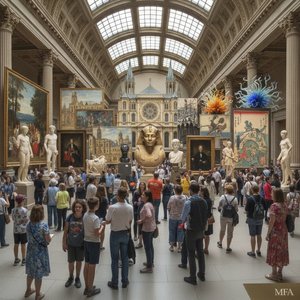
For centuries, the restaurant existed primarily as a practical necessity—a place for travelers and locals alike to refuel and find respite. However, in the modern era of hospitality, we have entered an age where the dining room has transcended its original purpose. It is no longer merely a space for sustenance; it has become a stage. For the discerning restaurateur, the challenge lies in moving beyond functional excellence to create a sanctuary of connection—a space where time slows down and guests are invited to linger within a carefully curated narrative. This transformation requires more than just exquisite ingredients; it demands an environment that breathes with life and history.
When we view the dining room as a theatrical setting, every element becomes part of a larger performance. The weight of the silver, the soft glow of candlelight, and the very walls themselves contribute to a story being told to the guest. By treating interior design as a narrative framework, a restaurant can move from being a mere establishment to becoming an immersive experience. This is where the boundary between the culinary and the visual dissolves, allowing the atmosphere to become as much a part of the menu as the seasonal delicacies served upon the plate. To dine in such a space is to step into a living story, where every corner offers a new chapter of cultural discovery.
Luminous Palettes: Using Impressionist Color Theory to Stimulate the Appetite
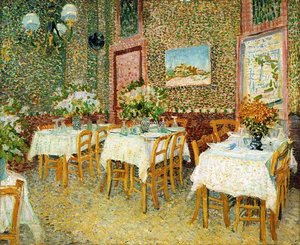
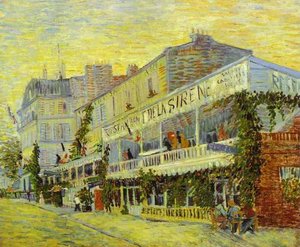 The Restaurant de la Sirène
Introduction to the Painting The Restaurant de la Sirène is a painting by Vincent Van Gogh , which is available for purchase as a hand-made oil painting reproduction on ArtsDot.com . This painting, created in 1887, showcases the artist's un...
The mastery of color is perhaps the most potent tool in a chef's invisible toolkit. Just as a painter uses light and pigment to evoke emotion, a restaurateur can use color theory to influence the very appetite of their guests. The Impressionist masters—Monet, Renoir, and Pissarro—were born from a desire to capture the fleeting, sensory essence of life, prioritizing direct observation and the subjective experience of light. Their works provide a soulful backdrop that stimulates the senses, using luminous palettes that can breathe warmth and vitality into a dining space.
Consider the psychological impact of warm yellows, vibrant reds, and inviting oranges. In works such as Vincent van Gogh’s The Restaurant de la Sirène, we see how a rich palette of these tones creates a cozy, inviting atmosphere that naturally draws the eye and warms the spirit. These colors do more than decorate; they stimulate the physiological response to food, making the dining experience feel more robust and energetic. By integrating these luminous palettes into the restaurant's aesthetic, you are not merely decorating a wall; you are inviting the light-drenched spirit of history to participate in the conversation at the table, ensuring that the visual feast precedes the physical one.
A Sensory Symphony: The Psychological Impact of Fine Art on Guest Experience
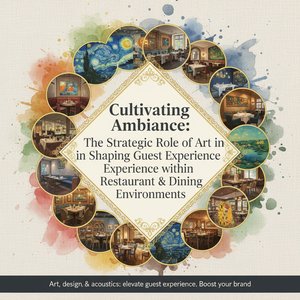 Cultivating Ambiance: The Strategic Role of Art in Shaping Guest Experience within Restaurant & Dining Environments
The Psychology of Restaurant Design: Beyond Aesthetics Wikipedia: Environmental psychology Environmental psychology is a branch of psychology that explores the relationship between humans and the external world. It examines the way in which the natur...
The relationship between humans and their built environments is profound, a concept explored deeply within environmental psychology. Our surroundings shape our individual experiences and social interactions, influencing how we feel, how we converse, and how long we choose to stay. In the context of a restaurant, the integration of fine art serves as a bridge between the external world and the intimate experience of the meal. When a guest encounters a masterpiece on the wall, the psychological landscape of the room shifts; it becomes a space of contemplation and wonder.
Fine art provides a focal point for shared experience, offering a subject for conversation that transcends the immediate surroundings. This creates a sense of belonging and cultural depth. The presence of textured, hand-painted works—with their visible brushstrokes and palpable depth—adds a layer of tactile reality to the room. Unlike flat prints or mass-produced decor, an authentic impressionistic reproduction offers a soulfulness that resonates on a profound emotional level. It transforms a standard meal into a curated event, where the atmosphere acts as a silent conductor, orchestrating a symphony of sight, taste, and emotion.
Curating the Menu: Selecting Masterpieces for Every Course and Atmosphere
 Art for Every Course: Curating a Tasting Menu of Impressionist Masterpieces for Dining Spaces
The Gastronomic Stage: Setting the Mood with Impressionist Light Beyond the Plate: How Impressionist Art Defines Restaurant Atmosphere and Storytelling The Gastronomic Stage: Transforming Dining into an Immersive Experience The Gastronomic Stage: Int...
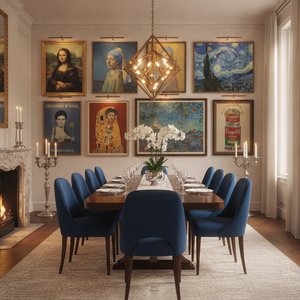
Curating an art collection for a restaurant is much like designing a tasting menu; it requires balance, progression, and a cohesive vision. One might begin with "appetizers" of color—lighter, more delicate works that set a bright, energetic tone for brunch or lunch service. As the evening progresses toward more formal, heavy courses, the art might shift toward deeper tones and more dramatic compositions, mirroring the richness of a fine wine or a decadent dessert.
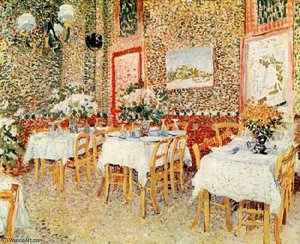
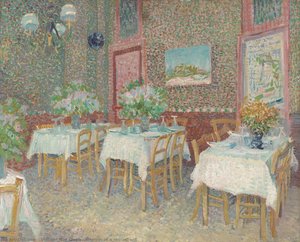
The selection process should consider the specific "flavor" of each dining area. An intimate corner might benefit from the serene, quiet observations found in Camille Pissarro’s signac.dining, which offers a meditation on light and the quiet pleasures of social interaction. In contrast, a large, bustling main hall could be anchored by more dynamic, expressive works that capture the energy of Parisian life. By treating your art selection as a curated menu, you ensure that every corner of your establishment contributes to a unified, immersive journey, guiding your guests through a seamless progression of cultural and culinary delights.
Beyond the Frame: Integrating Large-Scale Murals and Architectural Art into Restaurant Design
For those looking to push the boundaries of immersion, the transition from framed canvas to architectural art offers unparalleled opportunities. Large-format murals and ceiling frescoes allow a restaurant to completely redefine its physical limits. Imagine a dining room where the ceiling is not merely a structural necessity but a breathtaking sky of Impressionist light, or walls that extend the landscape of a garden far beyond the windows. These works, painted on massive canvas rolls, can be installed similarly to high-end wallpaper, creating a seamless integration between the art and the architecture.
This approach allows for a "total work of art" (Gesamtkunstwerk) where the room itself becomes the masterpiece. Whether it is a multi-panel arrangement that flows across a wide feature wall or a custom fresco that mimics historical grandeur, architectural art provides a sense of scale and permanence. It moves the art from being an object in the room to being the very fabric of the room. For the restaurateur seeking to create a landmark destination, this level of integration offers a way to leave an indelible mark on the guest's memory, long after the final course has been cleared.
The Legacy of Light: Lessons from Pissarro and Van Gogh for Modern Restaurateurs
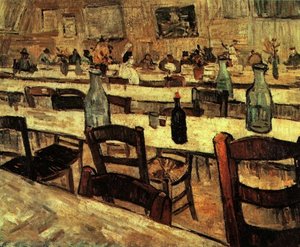
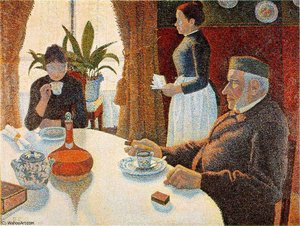 signac.dining
A Moment of Leisure: Camille Pissarro's "signac.dining" Camille Pissarro’s “signac.dining,” a captivating depiction of an intimate dining scene, offers a serene glimpse into the burgeoning world of Impressionism at the turn of the 20th century. Paint...
As we look toward the future of hospitality, the lessons of the Impressionist and Post-Impressionist masters remain as relevant as ever. The works of Pissarro and Van Gogh teach us that the most enduring experiences are those that capture the fleeting, the sensory, and the emotional. They remind us that beauty lies in the details—the dappled light on a tablecloth, the vibrant energy of a crowded café, or the profound stillness of a landscape at dusk.
For the modern restaurateur, the legacy of these artists provides a blueprint for creating spaces that resonate with authenticity and soul. By embracing their techniques—the use of broken color, the emphasis on light, and the celebration of everyday life—you can build an environment that does more than serve food; it serves inspiration. In doing so, you invite your guests to not just dine, but to participate in a timeless tradition of beauty, making your restaurant a true destination for those seeking a journey through the heart of art and culture.
This article was prepared for the editorial archives of ArtsDot.com, where we specialize in bringing the luminous world of Impressionism to life through exquisite, hand-painted reproductions.