


The Digital Genesis: From Ephemeral Code to Visual Language
 From Pixels to Paint: The Artistic Evolution of Iconic Video Game Worlds into Masterpiece Oil Paintings
The Digital Genesis: From Ephemeral Code to Visual Language Pixelated Prestige: Exploring Scarcity, Value, and Cultural Impact in Limited Edition Gaming Paintings The Genesis of Pixels: From In-Game Assets to Collectible Art Video game culture Video ...
For decades, the vibrant universes conjured by our most beloved consoles existed largely outside the established boundaries of fine art. To the casual observer, these realms were often dismissed as ephemeral entertainment—a fleeting collection of pixels and disposable code that lacked the gravitas associated with oil on canvas or sculpted bronze. We experienced them as transient bursts of energy, beautiful moments of light and mathematics that vanished the very instant the console was powered down. Yet, beneath the surface of 8-bit sprites and polygon landscapes lay a burgeoning visual language, one that has slowly begun to capture the collective imagination of a new generation of collectors.
As technology progressed from the rudimentary wireframes of the late seventies to the hyper-realistic textures of the modern era, the distinction between game graphics and true art began to dissolve. What was once considered mere technical achievement evolved into a sophisticated aesthetic movement. This transition represents a profound metamorphosis in human expression, where the artist’s struggle moved from the physical resistance of pigment to the manipulation of mathematical precision and light. We are witnessing a moment where the brush meets the algorithm, allowing for textures that can mimic the heavy impasto of Van Gogh while exploring realms that know no physical limit.
Aesthetic Alchemy: Finding Monet’s Light within the Glow of the Screen
 From Pixels to Palette: How We Transformed Indie Game Worlds into Impressionist Masterpieces
The Digital Impression: Finding Monet’s Light in the Glow of the Screen Fez (video game) Fez is a 2012 indie puzzle-platform game developed by Polytron Corporation and published by Trapdoor. The player-character Gomez receives a fez that reveals his ...
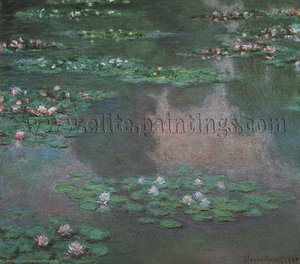
There is a profound, quiet magic that occurs when the flickering luminescence of a modern screen meets the soft, dappled light of an Impressionist vision. For those of us who have spent decades finding solace in the sun-drenched haystacks of Claude Monet or the rhythmic, swirling skies of Vincent van Gogh, the digital age initially felt like a departure from the tactile warmth of the canvas. We viewed the glow of the monitor as something clinical, a cold arrangement of light and code that lacked the soul of oil and pigment. However, as we peer deeper into the vibrant landscapes of contemporary indie games, we begin to recognize a familiar heartbeat.
The way light dances across a pixelated forest in Fez or how a soft, pastel haze settles over the meadows of Stardew Valley evokes the very essence of what the Impressionists sought to capture: the fleeting, ephemeral moment. This connection is not merely nostalgic; it is an aesthetic bridge. Just as Camille Pissarro looked at the changing atmosphere of a Parisian street to find beauty in the transient, modern players find a new kind of luminosity within the digital realm. We are witnessing a convergence where the glow of the screen acts as a contemporary prism, refracting light into colors that feel remarkably much like the Impressionist palette.
The Impasto of Innovation: Translating Hyper-Realistic Textures into Tactile Oil
 Impasto
Impasto is a technique used in painting where paint is laid on an area of the surface thickly, usually thick enough that the brush or painting-knife strokes are visible. Paint can also be mixed right on the canvas. When dry, impasto provides texture;...
In the realm of fine art, impasto—the technique of laying paint thickly so that brushstrokes remain visible—serves to add expressiveness and a three-dimensional quality to the work. When we approach the task of transforming a digital landscape into a physical masterpiece, this technique becomes our most vital tool. A digital image, no matter how high in resolution, is inherently flat; it lacks the physical presence of light reflecting off a raised ridge of dried oil. By applying paint with the strength and speed of a master, our artists bridge this gap, allowing the viewer to feel the weight of the virtual world.
Our artists, all holders of degrees from prestigious Fine Arts academies, use specialized materials like flexible gesso and safflower oils to ensure that these heavy textures endure for generations. When we translate a hyper-realistic game environment onto 100% cotton canvas, we are not merely copying pixels; we are reinterpreting them through the lens of physical texture. The goal is to create a piece where the light reflects in a particular way, giving the artist control over the play of shadow and radiance, much like the masters Rembrandt or Titian once did to represent the folds of fine cloth or the glint of jewels.
Beyond the Console: Preserving Virtual Legacies through Fine Art Traditions
Concept art is a form of visual art used to convey an idea for use in film, video games, animation, comic books, television shows, or other media before it is put into the final product. The term was used by the Walt Disney Animation Studios as early...
The concept of concept art has long been used to convey ideas for film and animation, but its role in video games has expanded into true world-building. These digital assets are the architecture of virtual worlds, yet they remain vulnerable to the obsolescence of hardware and software. By moving these landscapes from the screen to the physical canvas, we are engaging in an act of cultural preservation. We are reclaiming these digital dreams and giving them a permanent home within the tradition of fine art, ensuring that the aesthetic achievements of our era are not lost to time.
This movement represents a "Digital Renaissance," where gaming aesthetics are recognized as the new fine art. This is not about simple reproduction; it is about aesthetic alchemy. We offer the ability to "remix" history, allowing a collector to request a scene be painted in the light-drenched style of Monet or the heavy, emotive strokes of Van Gogh. By applying these classical techniques to modern subject matter, we create a dialogue between the past and the present, turning what was once considered disposable entertainment into a lasting legacy of human creativity.
The Modern Collector's Journey: Commissioning Your Own Digital Masterpiece
 Gaming Meets Masterpieces: Transforming Iconic Game Universes into Fine Art
The Digital Renaissance: From Pixels to Prestige Epic Mashups: Transforming Iconic Game Universes into Fine Art Masterpieces The Digital Renaissance: From Pixels to Prestige Limited Edition Gaming Masterpieces: 10 Exclusive Art Drops You Can't Miss T...
For the discerning collector, the journey from a digital memory to a physical treasure is a meticulous, six-step process designed to ensure absolute perfection. It begins with a moment of inspiration and moves through a professional digital mockup service, where every color and composition can be refined before a single drop of oil touches the canvas. This stage is essential for complex commissions, such as combining elements from different screenshots or adjusting the lighting to match a specific room's decor. Our Project Coordinators serve as your dedicated guide, managing the delicate balance between the artist's hand and your unique vision.
Once the design is perfected, our artists begin their labor of passion, working for two to four weeks to create a work that features visible brushstrokes and a deeper tonal range than any print could ever achieve. Before the piece is even framed in our custom solid wood frames, you will receive a pre-ship photo for your final approval. This commitment to quality—from the use of archival 12-color inks for our giclée options to the protective Damar varnish on our oils—ensures that your investment remains vibrant for decades. Whether it is a tribute to a childhood favorite or a custom portrait of a personal milestone, we transform the ephemeral into the eternal.
To explore more about the intersection of modern culture and classical technique, visit ArtsDot.com.