The Gastronomic Stage: From Functional Space to Immersive Narrative
 The Gastronomic Stage: Interior Design as Narrative Framework in the Contemporary Restaurant Experience
The Evolving Narrative: From Functional Space to Immersive Experience For centuries, the restaurant existed primarily as a practical necessity – a place to refuel. But the modern appetite extends far beyond sustenance; it craves connection, story, an...
For centuries, the restaurant existed primarily as a practical necessity—a functional room designed for the singular purpose of refueling the weary traveler. However, we have entered a transformative era where the modern appetite extends far beyond mere sustenance; it craves connection, story, and an atmosphere that resonates on a profound emotional level. The contemporary dining room has evolved into a stage, a meticulously crafted performance space where every element serves to deepen the guest's engagement with the culinary narrative. This shift from utility to experience demands that the environment act as a framework for storytelling, moving beyond simple aesthetics to create a sense of belonging and wonder.
When a restaurateur approaches their space as a theatrical setting, the boundaries between the plate and the room begin to dissolve. The interior design becomes a vital component of the menu itself, providing the context in which flavors are interpreted. To achieve this level of immersion, one must consider how the physical surroundings can transport guests to another time or place, turning a simple meal into a cultural journey. By treating the restaurant as a living, breathing work of art, owners can foster lasting connections that linger in the memory long after the final course has been cleared.
The Psychology of Atmosphere: How Fine Art Influences the Dining Experience
 Interior design
Interior design is the art and science of enhancing the interior of a building to achieve a healthier and more aesthetically pleasing environment for the people using the space. With a keen eye for detail and a creative flair, an interior designer is...
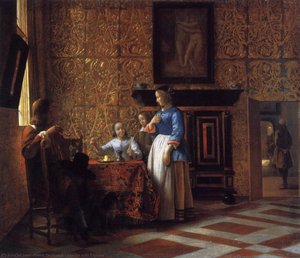
The impact of our surroundings on our psyche is profound; environmental psychology suggests that built environments deeply shape our individual experiences and social interactions. In a high-end dining setting, the integration of fine art does more than decorate a wall—it invites the luminous spirit of history to participate in the conversation at the table. The presence of a masterwork can alter the very tempo of a meal, encouraging guests to slow down, observe, and engage in more contemplative dialogue. This psychological anchoring is essential for creating a sanctuary where time feels suspended.
Fine art provides a focal point for introspection and shared discovery. Whether it is the quiet observation found in a delicate sketch or the vibrant energy of an oil painting, art acts as a silent conductor of mood. It can evoke feelings of intimacy through soft, muted tones or stimulate excitement through bold, expressive brushwork. By carefully selecting pieces that resonate with the intended emotional arc of the dining experience, a restaurateur can guide the guest's emotional journey, ensuring that the atmosphere is as meticulously curated as the wine cellar.
Curating Heritage: Integrating Masterpieces to Define Brand Identity
 Authentic Interiors: Leveraging Custom Art to Showcase Local Heritage and Brand Identity in Modern Restaurants
The Gastronomic Stage: Transforming Dining Spaces into Immersive Cultural Narratives The Gastronomic Stage: Interior Design as Narrative Framework in the Contemporary Restaurant Experience The Evolving Narrative: From Functional Space to Immersive Ex...
For the discerning hospitality professional, brand identity is often found in the intersection of culinary excellence and cultural heritage. The most successful establishments are those that use art to showcase their roots or celebrate a specific aesthetic lineage. Consider the legacy of figures like Anthony Preston Hillier, whose creation of Anthony’s Restaurants in Seattle transformed dining into an immersive environment through a curated collection of found objects and original artwork. Such spaces become landmarks not just for their menus, and food, but for their soul.
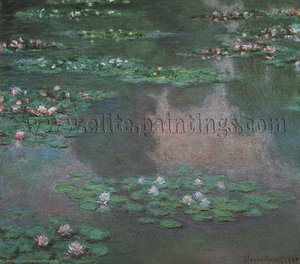
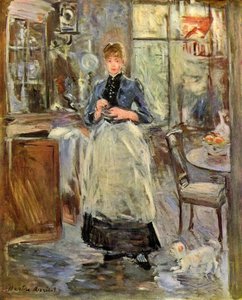
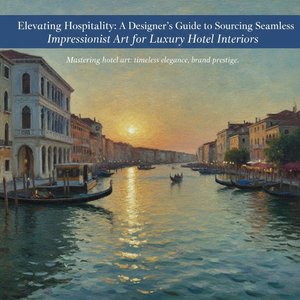
Integrating historical masterpieces allows a restaurant to borrow the prestige and authenticity of the past. Utilizing hand-painted reproductions of the Old Masters or Impressionist icons can imbue a modern space with an immediate sense of established luxury. This is not merely about decoration; it is about leveraging the weight of history to build trust and recognition. When a brand aligns itself with the enduring beauty of fine art, it communicates a commitment to quality, craftsmanship, and a respect for tradition that defines its very essence.
Beyond the Plate: Using Impressionist Color Theory and Texture to Stimulate Appetite
 Beyond the Plate: How Impressionist Art Defines Restaurant Atmosphere and Storytelling
The Gastronomic Stage: Transforming Dining into an Immersive Experience The Gastronomic Stage: Interior Design as Narrative Framework in the Contemporary Restaurant Experience The Evolving Narrative: From Functional Space to Immersive Experience For ...
The visual language of a dining room can be as influential as the seasoning in a dish. The principles of color theory, particularly those pioneered by the Impressionists, offer a sophisticated toolkit for enhancing the sensory experience. A palette dominated by warm, saturated hues—deep reds, ochres, and golds—can create an inviting, convivial atmosphere that suggests warmth and abundance. These tones do more than please the eye; they can psychologically stimulate the appetite and evoke a sense of comfort and energy.
Furthermore, the tactile quality of art adds a layer of sensory depth to the room. The thick, expressive impasto layers characteristic of Van Gogh’s work provide a palpable texture that mirrors the richness of fine cuisine. When guests encounter the visible brushstrokes and the interplay of light and shadow on a canvas, it reinforces the theme of artisanal craftsmanship present in the kitchen. By utilizing color and texture to create a cohesive sensory loop, the restaurateur ensures that the visual and culinary elements work in perfect, delicious harmony.
Architectural Artistry: Large-Scale Murals, Frescoes, and Multi-Panel Installations
 Level Up Your Restaurant Decor: A Buyer's Guide to Bold Art Reproductions for High-Impact Interiors
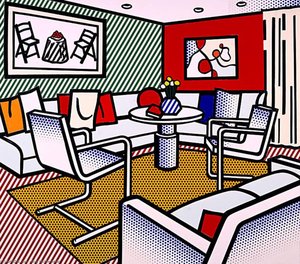
The Death of Minimalism: Why Your Restaurant Needs a Visual Jolt Pop Art & Dopamine Decor: A Professional Guide to Bold Maximalist Interiors for High-Impact Hospitality Design The Rise of Dopamine Decor: Moving Beyond Sterile Minimalism in Hospitalit...
To truly command a space, art must often transcend the traditional frame and become part of the architecture itself. For grand dining halls or sweeping staircases, the multi-panel trend offers a modern way to achieve monumental impact. Splitting a single masterpiece across three, four, or five panels allows for a seamless flow of color and composition that guides the eye across wide expansational walls, creating a sense of movement and architectural rhythm.
For even more ambitious designs, large-format murals and ceiling frescoes can recreate historical grandeur in any contemporary setting. Imagine a dining room where the ceiling evokes the celestial majesty of a Renaissance fresco or where a wall is transformed by a sweeping landscape. These large-scale installations turn the restaurant into an immersive world, providing a sense of awe that is rare in modern life. Such works, often painted on massive canvas rolls, allow for the recreation of historical splendor, making the architecture itself a central character in the restaurant's narrative.
The Collector’s Edge: Strategic Art Acquisition for High-End Hospitality
 anthony preston hillier
Anthony Preston Hillier: A Seattle Icon of Culinary Art and Surreal Vision Anthony Preston Hillier, a name perhaps less familiar to the general public than some culinary giants, nevertheless stands as a towering figure in the history of Seattle’s din...
For the hospitality buyer or interior designer, acquiring art is a strategic investment in the longevity of the brand. The challenge lies in selecting pieces that are both visually stunning and durable enough to withstand the rigors of a public space. This requires a sophisticated approach to curation—moving beyond stock ready-made decor toward bespoke solutions that offer exclusivity and authenticity. Whether it is commissioning a custom portrait that reflects the chef's vision or sourcing high-quality reproductions that bring the energy of Paris or Arles to a local setting, the goal is always the same: distinction.
A professional approach to art acquisition involves considering the long-term preservation and scalability of the collection. From ensuring the use of archival-grade materials like Damar varnish to protecting pigments from environmental pollutants, the technical aspects of art management are paramount. For those managing large-scale projects, such as hotels or restaurant groups, the ability to coordinate custom sizes, color matching, and volume orders is essential. Ultimately, a well-curated collection becomes an enduring asset, elevating the establishment from a place of dining to a destination of cultural significance.
ArtsDot.com — The Global Flagship & Premium Full-Service Marketplace for fine art reproductions, original works, and custom commissions. We specialize in bringing the masters to your space through meticulous craftsmanship and professional art consultation. Visit us at
ArtsDot.com to transform your vision into a masterpiece.