


The Gastronomic Stage: Transforming Dining Spaces into Immersive Cultural Narratives
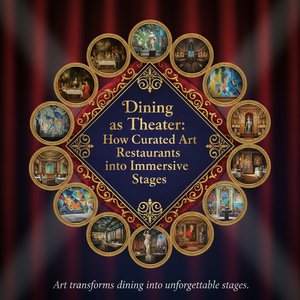 The Gastronomic Stage: Interior Design as Narrative Framework in the Contemporary Restaurant Experience
The Evolving Narrative: From Functional Space to Immersive Experience For centuries, the restaurant existed primarily as a practical necessity – a place to refuel. But the modern appetite extends far beyond sustenance; it craves connection, story, an...
For centuries, the restaurant existed primarily as a practical necessity—a functional room designed for the singular purpose of refueling. However, in the modern era of hospitality, we have entered an age where dining has transcended sustenance to become a performance. The contemporary restaurant is no longer just a place to eat; it is a stage upon which culinary stories are told and emotional journeys are undertaken. This transformation requires more than just excellent service or a well-crafted menu; it demands a narrative framework that engages the senses and creates an atmosphere of profound connection. When we speak of the gastronomic stage, we refer to the intentional orchestration of lighting, acoustics, and visual depth to create an immersive world that resonates with guests on a visceral level.
To achieve this, the interior design must act as a storyteller. The textures of the walls, the weight of the furniture, and the energy of the art work in unison to dictate guest behavior and perceived value. When a space is curated with intention, it moves beyond mere aesthetics into the realm of scenography, where every element contributes to a cohesive atmosphere. This holistic approach ensures that the restaurant becomes a destination—a place where the environment is as memorable as the final course. By treating the dining room as a canvas for storytelling, owners can foster an emotional bond with their patrons, turning first-scale visitors into lifelong brand advocates through the sheer power of atmosphere.
Placemaking Through Art: Using Custom Commissions to Anchor Your Brand in Local Heritage
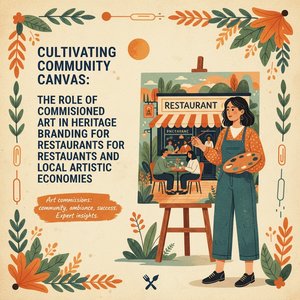 Cultivating Community Canvas: The Role of Commissioned Art in Heritage Branding for Restaurants and Local Artistic Economies
The Art of Place: Commissioning Artwork That Tells Your Restaurant's Story Wikipedia: Placemaking Placemaking is a multi-faceted approach to the planning, design and management of public spaces. Placemaking capitalizes on a local community's assets, ...
In an increasingly globalized world defined by standardization, there is a growing, urgent desire for authenticity—for a true sense of place. This concept, known as placemaking, involves capitalizing on a community's unique assets and inspirations to create public spaces that improve urban vitality. For the restaurant owner, this presents a profound opportunity to use art as a tool for heritage branding. By commissioning artwork that reflects local history or regional talent, an establishment can weave itself into the very fabric of its community. We see this historical precedent in the grand cafés of Vienna, where interiors were steeped in symbolism reflecting the Habsburg empire, or in the taverns of Renaissance Italy, adorned with frescoes that reinforced societal values.
Custom art allows a restaurant to move beyond generic décor toward a curated environment that speaks volumes about its origins. Whether it is a large-scale mural celebrating local landmarks or a series of portraits capturing the spirit of the region, these works serve as visual anchors. They provide a sense of permanence and legitimacy, signaling to the diner that this establishment is not merely a transient business, but a custodian of local culture. This strategic use of art transforms a commercial space into a cultural landmark, creating a deep-seated connection between the brand and the local identity that cannot be replicated by competitors using mass-produced decorations.
Strategic Curation: Matching Visual Intensity and Color Palettes to Culinary Flavor Profiles
 Taste the Visuals: How to Match Bold Art to Your Restaurant's Culinary Flavor
The Gastronomic Stage: Why Interior Design is Your Secret Ingredient The Gastronomic Stage: Interior Design as Narrative Framework in the Contemporary Restaurant Experience The Evolving Narrative: From Functional Space to Immersive Experience For cen...
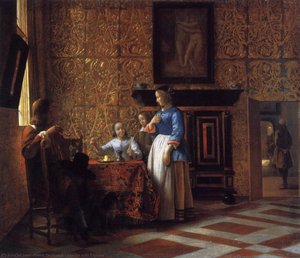
The relationship between the visual and the gustatory is much closer than many realize. To create a truly seamless dining experience, one must consider how the visual intensity of the art matches the culinary flavor profiles being served. A bold, high-acid menu featuring vibrant, citrus-forward dishes might be beautifully complemented by the energetic, thick impasto brushstrokes found in Post-Impressionist works. Conversely, a rich, heavy, and traditional menu may find its match in the deeper tonal ranges and warmer, saturated palettes of classical oil paintings, where deep reds and ochres evoke warmth and conviviality.
Effective curation involves a sophisticated understanding of color psychology and sensory alignment. For instance, the use of complementary colors—such as yellows against blues or reds against greens—can heighten the visual impact of a room, much like how a well-paired wine elevates a dish. When the textures of the walls and the energy of the art align perfectly with the culinary offerings, it creates a sense of authenticity that is palpable to the guest. This alignment ensures that the restaurant does not just please the eye, but engages the entire palate, creating a multi-sensory experience where the visual and the edible are in perfect, delicious harmony.
From Murals to Masterpieces: Scaling Art for Large-Format Architectural Impact
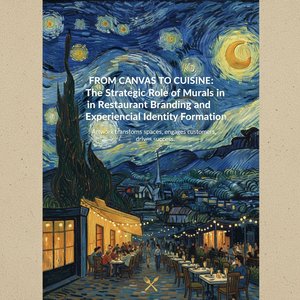 From Canvas to Cuisine: The Strategic Role of Murals in Restaurant Branding and Experiential Identity Formation
The Mural Renaissance: Why Restaurants Are Investing in Experiential Art Beyond Aesthetic Appeal: Strategic Art Collections for Modern Hospitality Brand Narratives Discover how strategic art curation elevates hospitality brands & enhances guest exper...
When designing large-scale hospitality spaces, such as hotel lobbies or expansive dining halls, the challenge lies in filling the architectural void without overwhelming the room. This is where the power of large-format art becomes essential. From massive canvas rolls used for murals to ceiling frescoes that recreate historical grandeur, scale is a critical component of design. Much like the ancient frescoes of Pompeii or the monumental Mexican Muralism movement, large-scale works serve as fundamental acts of communication, capable of reshaping the entire understanding of a space.
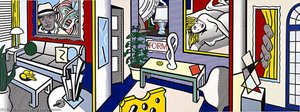
For professionals managing large-scale projects, the ability to utilize multi-panel layouts—splitting a single masterpiece across three, four, or five panels—offers a modern, architectural way to cover wide walls or staircases. This "multi-panel" trend allows for a cohesive, contemporary look that maintains the flow of the original composition while adapting to the structural demands of the building. Whether it is a custom mural painted on massive canvas rolls or an intricate ceiling fresco, these large-format works transform architectural surfaces into breathtaking focal points, providing the "wow factor" necessary for high-end hospitality branding.
Operational Excellence in Art Procurement: Managing Large-Scale Orders and Logistics
For procurement managers and hospitality decorators, the acquisition of art is often a high-pressure task involving tight timelines and strict budgets. The key to successful implementation lies in operational reliability and a streamlined supply chain. When managing large-scale orders for hotels or restaurant chains, it is vital to work with partners who understand the complexities of bulk procurement, from providing VAT-compliant documentation to ensuring seamless international logistics via carriers like DHL Express and FedEx.
Efficiency in art procurement is not just about the final product, but the process itself. This includes the ability to review digital mockups before painting begins—a crucial step for ensuring color accuracy and composition within a specific interior design plan. Furthermore, the logistical management of large-scale works, such as using industrial tubes for rolled art or reinforced double-walled boxes for framed pieces, ensures that the artwork arrives in pristine condition, ready for installation. For the professional buyer, trust is built through predictable delivery windows, transparent pricing, and a robust order management system that allows for real-time status updates and easy re-ordering of established collections.
The ROI of Authenticity: Enhancing Guest Experience and Brand Loyalty Through Bespoke Interiors
Ultimately, the investment in custom, hand-painted art is an investment in the long-term value of the hospitality brand. In a market saturated with generic experiences, differentiation is the most valuable currency. A restaurant that offers a unique, curated environment creates a "destination" effect, where the atmosphere itself becomes a driver for repeat visits and social media visibility. The psychological impact of aesthetic coherence cannot be overstated; when guests feel they are part of something authentic and well-crafted, their perception of the brand's value increases.
The return on investment (ROI) of bespoke interiors is found in the creation of lasting memories. A beautifully curated space fosters a sense of belonging and emotional resonance that lingers long after the meal has ended. By utilizing high-quality oil reproductions—which offer the tactile depth, visible brushstrokes, and rich textures that digital prints lack—owners can provide a level of luxury and sophistication that distinguishes their establishment from the competition. In the end, art is not merely an expense; it is a strategic asset that builds brand loyalty, enhances the guest experience, and secures the restaurant's place in the cultural landscape.
For professionals seeking high-quality, scalable art solutions for hospitality and corporate projects, visit ArtsDot.com to explore our extensive catalog of hand-painted reproductions and custom commission services.