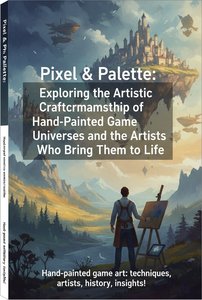





The Digital Renaissance: Redefining Gaming Aesthetics as Fine Art
 Pixels to Paint: The Artistic Evolution of Indie Game Universes into Hand-Painted Masterpieces
The Digital Renaissance: Recognizing Indie Game Aesthetics as Modern Fine Art Beyond Pixels and Play: The Aesthetic and Identity Significance of Gaming Art for the Modern Collector The Rise of Gaming as Fine Art: From Pixels to Prestige From Digital ...
For decades, the boundaries of fine art were guarded by the heavyweights of established movements—the divine proportions of the Renaissance masters and the light-drenched landscapes of the Impressionists. Within these hallowed halls, the vibrant worlds conjured by our favorite consoles existed largely outside the established canon, often dismissed by critics as ephemeral entertainment. These digital realms were viewed as mere collections of fleeting pixels and disposable code, lacking the gravitas associated with oil on canvas or sculpted bronze. Yet, a quiet revolution is unfolding within the hearts of modern collectors, signaling a profound shift where the digital dream meets the tangible prestige of the gallery.
We are witnessing a period of unprecedented aesthetic evolution, a Digital Renaissance where the visual language once confined to screens is being recognized for its deep cultural significance. As video games have grown more sophisticated and accessible, they have fundamentally redefined our understanding of what constitutes an aesthetic experience worthy of preservation. The artistry inherent in these creations, once overlooked as merely functional components of interactive entertainment, is now being celebrated for its ability to capture the collective imagination. This movement represents a recognition that the luminosity found in the glow of a screen can hold as much poetic truth as the light captured by Monet upon the waters of the Seine.
Beyond the Screen: The Emotional Resonance of Indie Game Universes
 Limited Edition Gaming Masterpieces: 10 Exclusive Art Drops You Can't Miss
The Digital Renaissance: Why Gaming Aesthetics are the New Fine Art Beyond Pixels and Play: The Aesthetic and Identity Significance of Gaming Art for the Modern Collector The Rise of Gaming as Fine Art: From Pixels to Prestige From Digital Dreams to ...
While massive, resource-heavy productions often chase hyperrealistic perfection, it is within the intimate confines of independent game development that we find an explosion of singular artistic vision. These indie titles embrace a democratization of art, where smaller teams utilize unique aesthetics to convey profound emotional truths. Unlike the polished, commercial sheen of mainstream titles, indie universes offer a landscape of raw, unadulter Far-reaching impact. From the haunting, melancholic atmospheres that linger in the mind long after the console is powered down, to the vibrant, nostalgic palettes that evoke a sense of childhood wonder, these worlds are meticulously crafted expressions of intent.
The emotional weight of these digital landscapes lies in their ability to create atmosphere through color, light, and composition. These are not merely backdrops for gameplay; they are living, breathing environments that resonate with the player on a visceral level. For the modern collector, the appeal lies in this connection—the desire to capture a piece of a world that once provided solace, challenge, or profound beauty. The transition from digital asset to collectible art is driven by a recognition that these experiences, though born of code, possess a soul that transcends their medium.
From Code to Canvas: The Alchemy of Translating Pixels into Oil Paint
 Impasto
Impasto is a technique used in painting where paint is laid on an area of the surface thickly, usually thick enough that the brush or painting-knife strokes are visible. Paint can also be mixed right on the canvas. When dry, impasto provides texture;...
The transformation of a digital image into a physical masterpiece requires more than mere reproduction; it demands a sophisticated alchemy of technique and tradition. To move from the pixelated precision of a screen to the textured depth of a canvas, one must understand the fundamental differences in how light and color behave in each medium. A computer-printed image, no matter how high in resolution, remains a flat representation—a collection of tiny dots that lack the tactile soul of true paint. The true magic occurs when an artist applies layers of oil pigment to 100% cotton canvas, introducing a dimension of depth that digital screens simply cannot replicate.
This process involves a meticulous layering of colors and the intentional use of texture to breathe life into the original concept. By utilizing techniques such as impasto, where paint is laid thickly enough for brushstrokes to remain visible, the artist creates a surface that interacts with ambient light in a dynamic way. This adds a sculptural quality to the work, allowing the shadows and highlights to shift as the viewer moves around the piece. It is a labor of passion, where the artist’s hand introduces subtle variations that make each reproduction a unique entity, far removed from the sterile perfection of a digital file.
Case Study: Capturing the Atmospheric Depth of Limbo and Fez through Impasto
Limbo is a puzzle-platform video game with horror elements developed by independent studio Playdead and originally published by Microsoft Game Studios for the Xbox 360. The game was released in July 2010 on Xbox Live Arcade, and it has since been por...
To truly appreciate this convergence of mediums, one must look closely at the visual tapestries woven by the masters of the indie genre. Consider the monochromatic, haunting world of Limbo. Originally a 2D side-scroller characterized by its eerie atmosphere and film noir aesthetics, the game relies heavily on lighting, film grain, and minimal ambient sound to create tension. Translating this into an oil painting requires a masterful command of value and shadow. By employing heavy textures and deep, dark glazes, an artist can recreate that sense of dread and mystery, making the darkness feel heavy and tangible, as if the shadows themselves were emerging from the canvas.
In contrast, the world of Fez offers a different challenge: a vibrant, geometric landscape that plays with the perception of two-dimensional and three-dimensional space. The game’s aesthetic is defined by its bright, sun-drenched colors and clean, structural forms. When approached through the lens of fine art, an artist might utilize a more impressionistic touch, using visible, energetic brushstrokes to soften the edges of the digital geometry. This approach honors the game's sense of discovery and wonder, transforming a puzzle-platformer into a lush, painterly landscape that invites contemplation rather than just interaction.
The New Collector's Paradigm: Preserving Ephemeral Digital Worlds in Tangible Masterpieces
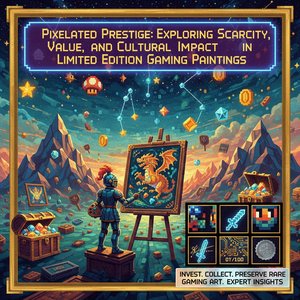 Pixelated Prestige: Exploring Scarcity, Value, and Cultural Impact in Limited Edition Gaming Paintings
The Genesis of Pixels: From In-Game Assets to Collectible Art Video game culture Video game culture or gaming culture a worldwide subculture formed by video game enthusiasts. As video games have grown more sophisticated, accessible, and popular over ...
We are entering an era where the distinction between digital innovation and classical tradition is increasingly blurred. The modern collector no longer seeks only the established icons of the past, but also finds value in the cultural artifacts of their own time. This shift has created a burgeoning market for high-end gaming art—a way to bridge the gap between the ephemeral moments of light on a screen and the permanent prestige of a gallery collection. The ability to possess a physical, hand-painted piece of a beloved digital universe offers a sense of permanence to an experience that was once thought to be fleeting.
This evolution is about more than nostalgia; it is about the preservation of a new visual language. As we move beyond the pixel and into the realm of textured, reimagined masterpieces, we are ensuring that the artistry of the digital age is given its rightful place in the history of art. Whether through the meticulous recreation of an indie landscape or the custom transformation of a personal memory into a classical portrait, the goal remains the same: to turn digital dreams into tangible treasures that can be cherished for generations.
At ArtsDot.com, we stand at the forefront of this movement, dedicated to the democratization of fine art and the elevation of modern aesthetics. Our mission is to provide a premium service where the boundaries of history can be reimagined. Through our expert artists, who hold degrees from prestigious Fine Arts academies, we offer the unique ability to "remix" art history—transforming contemporary digital inspirations into hand-painted oil masterpieces on museum-grade canvas. From bespoke commissions that turn personal milestones into 17th-century portraits to large-scale murals for luxury hospitality spaces, ArtsDot provides the bridge between the ephemeral and the eternal. We invite you to explore our vast catalog of hand-painted reproductions and discover how we continue to transform the landscapes of today into the masterpieces of tomorrow.