

 Pregledaj u prostoru
 Pošalji
 Podeli
 Detalji o delu

 Преузми
 Slični predmeti
 Rendgenski snimak
 Slajdovi
 Statistika
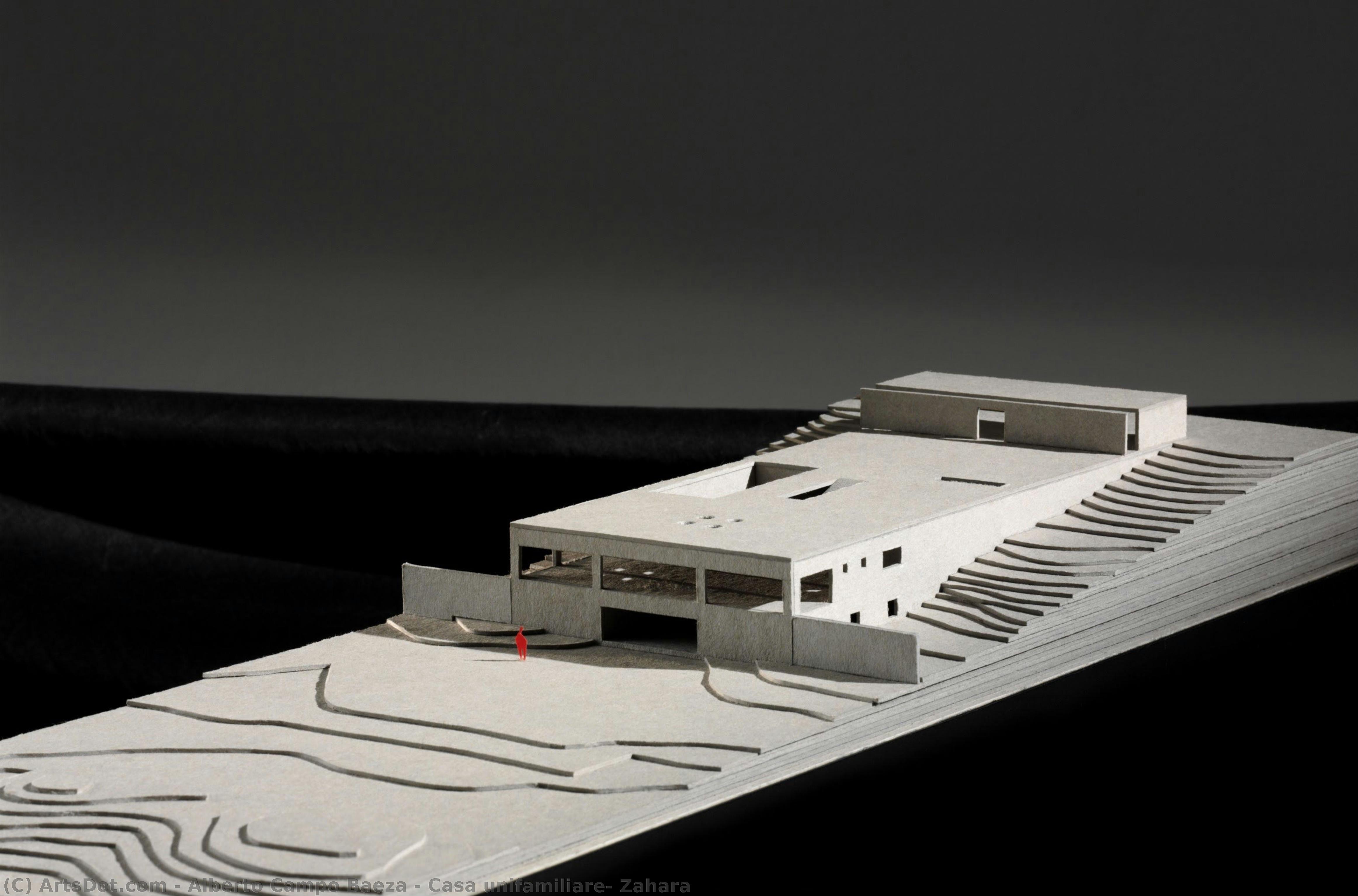
Casa unifamiliare, Zahara


 Pročitaj više
Kupite digitalnu sliku visoke rezolucije i poboljšanog kvaliteta, koja je znatno superiornija od onoga što vidite u online prikazu.
Svaka datoteka je pedantno pripremljena od strane naših stručnjaka koristeći napredne alate i profesionalnu ručnu retušu. Osiguravamo da svaka slika ima izuzetnu oštrinu, preciznu reprodukciju boja i fine detalje.
Konačna datoteka se dostavlja putem e-pošte u roku od 72 sata, optimizovana za neposrednu upotrebu u profesionalnim, izdavačkim i štamparskim okruženjima. To je isti kvalitet kojem veruju vrhunski studiji dizajna, izdavači i galerije.
Digitalna slika
Preuzmite datoteku visoke rezolucije za ličnu upotrebu, štampanje i kreativne projekte. ( Pređi na štampu Kupi ručno naslikanu sliku)
Uključeno uz svaku porudžbinu digitalne slike
Profesionalna digitalna isporuka, zagarantovana
Kada odaberete ArtsDot.com, ne dobijate samo sliku – vi primate profesionalno unapređeno digitalno umetničko delo, izrađeno sa najvećom preciznošću i uz garanciju zadovoljstva. Evo svega što automatski dolazi uz vašu porudžbinu:

Brza dostava putem e-pošte
Vaša digitalna slika visoke rezolucije biće vam poslata putem e-pošte u roku od 72 sata od poručivanja – spremna za trenutnu upotrebu.

Digitalna datoteka unapređena veštačkom inteligencijom
Vaše umetničko delo je profesionalno optimizovano korišćenjem naprednih AI alata i ručne obrade, čime se osiguravaju maksimalni detalji, oštrina i preciznost boja.

Besplatna ponovna isporuka doživotno
Slučajno ste obrisali ili izgubili svoju datoteku? Ne brinite – poslaćemo vam je ponovo u bilo kom trenutku, potpuno besplatno.

Bez troškova uvoza – zauvek
Uživajte u svojim umetničkim delima trenutno, bez carine, dažbina ili troškova dostave – digitalni download je uvek bez poreza.

Garancija vernosti boja
Uz pomoć profesionalnih alata i upravljanja bojama, osiguravamo da vaša digitalna slika što vernije odražava originalne boje.

Garancija zadovoljstva od 100 dana
Ako niste zadovoljni svojom digitalnom slikom, izvršićemo reviziju ili ćemo vam vratiti 100% novca u roku od 100 dana – bez ikakvih pitanja.

100% garancija povrata novca
Niste zadovoljni? Dobijte puni povraćaj novca u roku od 100 dana od prijema digitalne datoteke – bez suvišnih pitanja.

Popusti na velike porudžbine
Kupite 3 slike, uštedite 10% - Kupite 5 slika, uštedite 15% - Kupite 10+ slika, uštedite 20%. Odlično za kreativne projekte, galerije i agencije.
Srodna umetnička dela



Biografija umetnika
The Architect of Light: A Journey Through the World of Alberto Campo Baeza
Alberto Campo Baeza, born in Valladolid, Spain, in 1946, stands as a pivotal figure in contemporary Spanish architecture—a master sculptor of space and light. His work isn’t merely about constructing buildings; it's an exploration of essential forms, a distillation of architectural principles to their purest expression. From his early education at the Universidad Politécnica de Madrid, culminating in a PhD in 1982, Campo Baeza embarked on a path that would challenge conventional notions of design and establish him as a leading voice in minimalist architecture. His academic journey wasn’t confined by geographical boundaries; he shared his insights and philosophy through visiting professorships at esteemed institutions worldwide—ETH Zurich, Virginia Tech, Columbia University, Bauhaus University Weimar, IIT Chicago, and Kansas State University—each experience enriching his perspective and solidifying his unique approach.A Philosophy Rooted in Simplicity
At the heart of Campo Baeza’s architectural philosophy lies a deliberate rejection of ornamentation and an unwavering commitment to natural light. He believes that true beauty resides not in lavish embellishments, but in the elegant interplay of form, space, and illumination. This isn't simply an aesthetic preference; it’s a deeply held conviction that stripping away the superfluous allows for a more profound connection between the built environment and the human experience. His designs are often described as austere yet profoundly moving—spaces defined by their clarity, serenity, and timeless quality. He seeks to create buildings that resonate with a sense of quiet dignity, inviting contemplation and fostering a harmonious relationship with their surroundings. This pursuit of essentialism isn’t about deprivation; it's about focusing attention on what truly matters: the fundamental elements that shape our perception of space.Landmark Creations: A Testament to Minimalist Vision
Campo Baeza’s portfolio is a testament to his unwavering dedication to minimalist principles. Early works like the Houses Turégano and de Blas in Madrid demonstrated his commitment to simple forms and the transformative power of natural light, laying the foundation for his future explorations. Subsequent residential projects—Gaspar House, Asencio House, Guerrero House (Cádiz), Rufo House (Toledo), Moliner House (Zaragoza)—each became a unique study in spatial clarity and material honesty, adapted to diverse locations yet unified by a common aesthetic sensibility. His international breakthrough came with the Olnick Spanu House in Garrison, New York, proving the universal applicability of his style. Public projects like Centro BIT (Inca-Mallorca) showcased his ability to integrate minimalism into functional structures, while “Between Cathedrals” (Cádiz) stands as a significant public work that exemplifies his design philosophy on an urban scale. More recently, MA, the Museum of Memory of Andalucía (Granada), demonstrates his architectural vision applied to a culturally important project. Each building is not merely a structure but a carefully orchestrated experience—a dialogue between light, shadow, and form.Influences and Legacy: Shaping Modern Spanish Design
Campo Baeza’s work resonates with the broader movement of minimalism in architecture, aligning him with influential figures like David Chipperfield and John Pawson. However, his approach is distinctly his own—a nuanced interpretation of minimalist principles within the specific context of Spanish architectural traditions. He draws inspiration from a desire to return to fundamental design elements, advocating for buildings that are both functional and aesthetically pleasing through their inherent simplicity. His influence on contemporary architects in Spain is undeniable, inspiring a new generation to embrace clarity, restraint, and the expressive potential of natural light. Beyond his built works, Campo Baeza’s writings, compiled in “La idea Construida,” have become essential reading for aspiring architects, offering valuable insights into his design process and philosophical underpinnings. His numerous awards—including the First Prize for the Spanish Pavilion at the Venice Biennale (2000), the Arnold W. Brunner Memorial Prize of the American Academy of Arts and Letters (2013) and most recently The Daylight Award for Daylight in Architecture (2024)—are a testament to his enduring impact on the field.A Continuing Dialogue with Light and Space
Alberto Campo Baeza remains an active force in architecture, continuing to explore new materials, spatial configurations, and innovative solutions. His work is not static; it’s an ongoing dialogue with light, space, and the human condition—a testament to his belief that architecture has the power to elevate our lives and enrich our understanding of the world around us. He doesn't simply design buildings; he crafts experiences, creating spaces that inspire contemplation, foster connection, and celebrate the beauty of simplicity. His legacy is not just in the structures he’s created but in the enduring principles he champions—principles that will continue to shape the landscape of modern Spanish architecture for generations to come.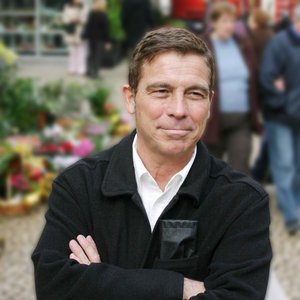
Alberto Campo Baeza
1946 - , Spain
Kratke činjenice
- Artistic Movement Or Style: Minimalism
- Artists Or Movements Influenced By This Artist:
- David Chipperfield
- John Pawson
- Date Of Birth: 1946
- Full Name: Alberto Campo Baeza
- Nationality: Spanish
- Notable Artworks:
- Casa unifamiliare, Zahara
- Houses Turégano & de Blas
- Gaspar House
- MA Museum of Memory
- Centro BIT
- Place Of Birth: Valladolid, Spain