

 Pregledaj u prostoru
 Pošalji
 Podeli
 Detalji o delu

 Преузми
 Slični predmeti
 Rendgenski snimak
 Slajdovi
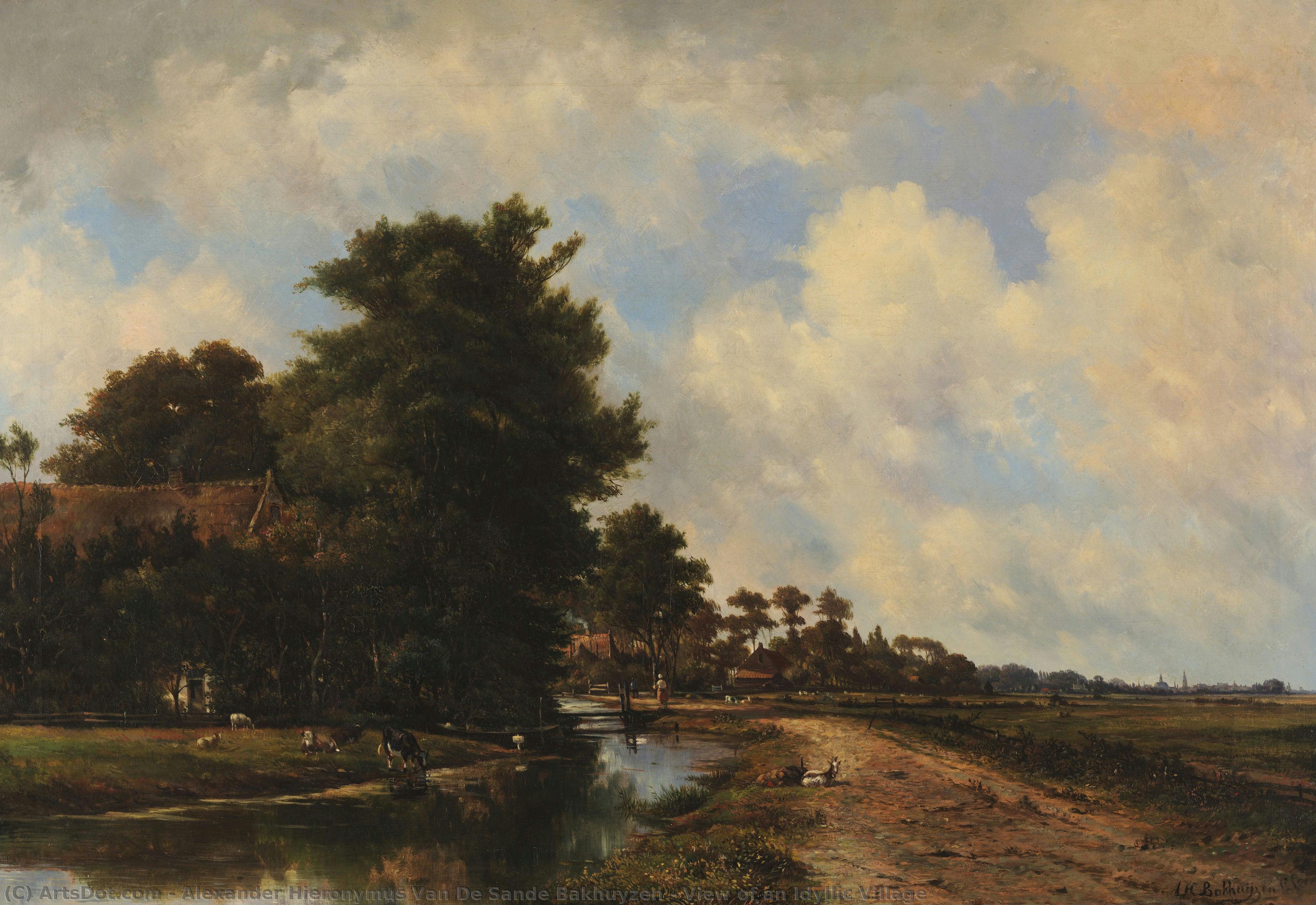
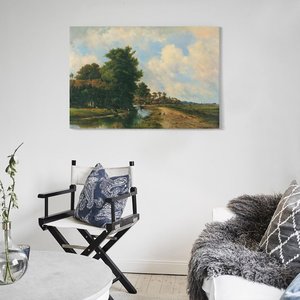
View of an Idyllic Village
 Romanticism
 66.0 x 95.0 cm
 Crocker Art Museum
 Pročitaj više
Ručno rađena uljana reprodukcija
Ručno oslikano uljanim bojama na platnu u dimenzijama i okviru po vašem izboru, izrađeno po porudžbini od strane naših umetnika. ( Kupi print Kupi digitalnu sliku)




































Izaberite jednu od naših unapred definisanih veličina koje odgovaraju originalnim proporcijama umetničkog dela.

Можете унети сопствене димензије како бисте прилагодили дело одређеном оквиру или простору. Ако одабрана величина не одговара пропорцијама оригинала, слика ће бити исечена или проширена додатним елементима који се ручно насликавају. Дигитални prikaz ће вам бити послат на одобрење пре почетка производње.
Имајте на уму да преглед на екрану не одражава стварно исецање или проширење. Само приказ (mockup) ће тачно приказати коначну композицију.
Иако су доступне прилагођене величине, препоручујемо да одаберете димензију из дефинисане листе како бисте сачували оригиналне пропорције.
Nakon narudžbine, tim ArtsDot.com će klijentu putem e-pošte poslati uputstva i dostaviti prikaz predloženog rešenja
Isporuka širom sveta () za 3/4 nedelje umesto uobičajenih 5 nedelja. (29 август). Bez kompromisa po pitanju kvaliteta.

Besplatna ekspresna dostava širom sveta

Visokokvalitetno laneno platno

Kompletno osiguranje transporta

Garancija povraćaja carine i uvoznih dažbina

Garancija vernosti boja

Politika povrata u roku od 60 dana (samo u slučaju nedostataka)

Garancija povrata novca od 100%

Popust pri grupnoj kupovini
 Opcija sa staklom dostupna je samo za dimenzije manje od 110 cm

View of an Idyllic Village
Tehnika reprodukcije
Dimenzije reprodukcije
-


Konačna cena
$ 263
Srodna umetnička dela

Biografija umetnika
Gustave Courbet: A Revolutionary of the Real
Jean Désiré Gustave Courbet, born in Ornans, France, on June 10, 1819, and tragically dying in La Tour-de-Peilz on December 31, 1877, was more than just a painter; he was a catalyst. A pivotal figure in the transition from Romanticism to Realism, Courbet fundamentally challenged artistic conventions of his time, rejecting idealized beauty for an unflinching portrayal of everyday life and the realities of the working class. His bold choices—subject matter, technique, and unwavering commitment to depicting the world as he saw it—left an indelible mark on the course of art history, influencing generations of artists to come.
Courbet’s early life was steeped in a pragmatic sensibility. Born into a prosperous farming family, his father, Eléonor-Régis Courbet, recognized his son's artistic talent and, defying societal expectations, supported his ambition to pursue painting. This familial encouragement provided the foundation for Courbet’s independent spirit and unwavering dedication to his craft. He initially studied law in Paris, but quickly abandoned this path, immersing himself entirely in the world of art. His early training involved meticulous copying of masterworks at the Louvre, a process he viewed as essential for understanding technique and composition – a deliberate contrast to the Romantic emphasis on originality.
The Salon, France’s premier annual exhibition, served as Courbet's primary venue for showcasing his work. However, the Salon jury proved stubbornly resistant to his increasingly radical style. His paintings were repeatedly rejected due to their unconventional subject matter and lack of adherence to academic standards. This rejection, rather than discouraging him, fueled his determination to forge a new path. He famously declared that he would only paint what he could see, rejecting the idealized landscapes and mythological scenes favored by the establishment.
The Rise of Realism and Courbet’s Vision
Courbet's artistic vision was rooted in a deep empathy for the marginalized and overlooked members of society. He deliberately chose subjects that were typically ignored by mainstream artists – rural laborers, peasants, and scenes of everyday life. His most celebrated works, such as *A Burial at Ornans* (1849-50) and *The Stone Breakers* (1863-64), are monumental in scale and profoundly moving in their depiction of the harsh realities faced by the working class. These paintings were not intended to be sentimental or romanticized; instead, they presented a stark and uncompromising view of poverty, labor, and social inequality.
*A Burial at Ornans*, for instance, depicts a village funeral with an astonishing lack of idealization. The figures are rendered in meticulous detail, their faces etched with grief and weariness. The painting’s sheer size—over 10 feet by 8 feet—further emphasizes the importance of the event and the collective nature of mourning. Similarly, *The Stone Breakers* portrays two elderly laborers engaged in backbreaking work, their bodies worn down by years of toil. Courbet's deliberate choice to depict these subjects on a grand scale challenged the traditional hierarchy of artistic subject matter, elevating the lives of ordinary people to the level of historical or mythological narratives.
Courbet’s approach extended beyond mere subject matter; he also revolutionized painting technique. He employed a direct and unmodulated brushstroke, rejecting the smooth, polished surfaces favored by academic painters. His colors were often muted and earthy, reflecting the tones of the landscapes and subjects he depicted. He sought to capture the essence of his subjects with immediacy and honesty, eschewing elaborate detail or decorative effects.
Major Works and Lasting Influence
Courbet’s oeuvre is remarkably diverse, encompassing landscapes, seascapes, portraits, still lifes, and historical scenes. However, several works stand out as particularly significant contributions to the Realist movement: *The Stone Breakers*, already mentioned, remains one of his most iconic paintings; *Olympia* (1863), a provocative nude that scandalized Parisian society with its unflinching gaze and rejection of conventional beauty standards; *Wheatfield with Crows* (1890), a brooding landscape imbued with an unsettling sense of foreboding; and, of course, *A Burial at Ornans*, which remains a testament to his commitment to depicting the realities of everyday life.
Courbet’s influence on subsequent generations of artists is undeniable. He paved the way for Impressionism by challenging traditional notions of representation and advocating for a more direct and subjective approach to painting. Artists like Édouard Manet, Claude Monet, and Pierre-Auguste Renoir were all deeply influenced by Courbet's radical ideas and techniques. Furthermore, his emphasis on social realism inspired movements such as Social Realism in the 20th century.
A Legacy of Authenticity
Gustave Courbet’s legacy extends far beyond his individual paintings. He fundamentally altered the relationship between art and society, demonstrating that art could be a powerful tool for social commentary and political engagement. His unwavering commitment to depicting the world as he saw it—without embellishment or idealization—established a new standard of artistic integrity. Courbet’s insistence on painting “what one sees” continues to resonate with artists today, reminding us of the importance of authenticity, honesty, and a deep connection to the subject matter.
Despite facing considerable opposition during his lifetime, Courbet's work gradually gained recognition after his death. Today, he is celebrated as one of the most important figures in modern art—a revolutionary who dared to challenge convention and redefine the boundaries of artistic expression.
alexander hieronymus van de sande bakhuyzen
1819 - 1895 , Netherlands
Osnovne informacije
- Artistic Movement Or Style: Realism
- Artists Or Movements Influenced By This Artist:
- Impressionism
- Cubism
- Artists Who Influenced This Artist:
- Velázquez
- Ribera
- Date Of Birth: June 10, 1819
- Date Of Death: December 31, 1877
- Full Name: Gustave Courbet
- Nationality: French
- Notable Artworks:
- A Burial at Ornans
- The Stone Breakers
- Olympia
- Place Of Birth: Ornans, France
Povezani članci

Glavna dela koja su definisala Romantični pejzaž: 10 remek-dela za vaš dom
Otkrijte 10 remek-dela romantičnog pejzažnog slikarstva! Uronite u svet Claude Lorraina, Caspara David Friedricha i Turnera. Ispričane priče umetnosti, inspiracija za dekoraciju doma. Kvalitetne reprodukcije na ArtsDot.com – istražite celu kolekciju online!

25 Remek-dela Džona Konstebla: Lepota Engleske na Platnu | ArtsDot
Uronite u svet Džona Konstebla! Otkrijte 25 remek-dela engleskog pejzaža, romantizma i seoske idile. Kupite reprodukcije slika vrhunskog kvaliteta za dekoraciju enterijera na ArtsDot.com.
Evoking Nature's Sublime: A Comprehensive Exploration of 19th-Century Landscape Painting
Explore the captivating world of 19th-century landscape painting! Discover renowned artists like Friedrich & Monet, key movements, and find the perfect artwork to bring nature's serenity into your home. Expert insights at ArtsDot.

Cultivating Visions: A Historical Journey Through Rural Landscapes in Art
Explore the rich history of rural landscape painting with ArtsDot. Discover Impressionist masterpieces, key artists & movements. Find your perfect serene artwork and bring nature's beauty home.
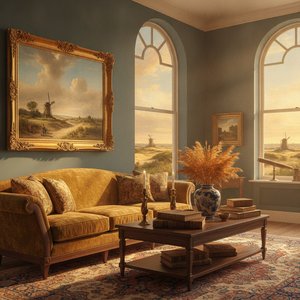
Golden Light & Dutch Skies: Bringing the Magic of Dutch Golden Age Landscapes into Your Home
Transform your home with the breathtaking light of Dutch Golden Age landscapes. Discover how hand-painted oil reproductions of masterworks like Ruisdael and Vermeer bring timeless elegance, atmosphere, and soulful texture to modern interiors. Elevate your space with museum-quality art.

