

 Pregledaj u prostoru
 Pošalji
 Podeli
 Detalji o delu

 Преузми
 Slični predmeti
 Rendgenski snimak
 Slajdovi
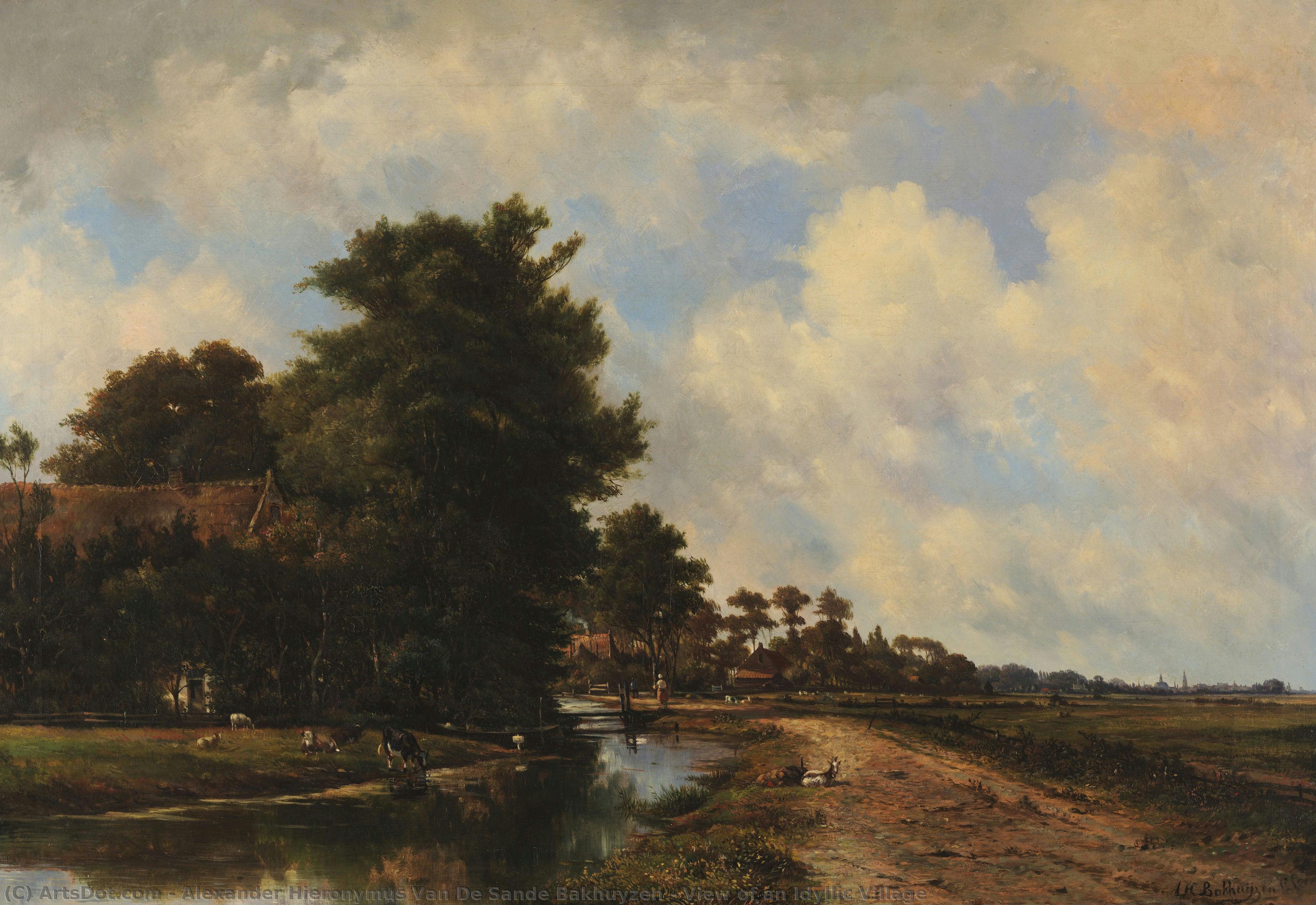
View of an Idyllic Village
 Romanticism
 66.0 x 95.0 cm
 Crocker Art Museum
 Pročitaj više
Kupite digitalnu sliku visoke rezolucije i poboljšanog kvaliteta, koja je znatno superiornija od onoga što vidite u online prikazu.
Svaka datoteka je pedantno pripremljena od strane naših stručnjaka koristeći napredne alate i profesionalnu ručnu retušu. Osiguravamo da svaka slika ima izuzetnu oštrinu, preciznu reprodukciju boja i fine detalje.
Konačna datoteka se dostavlja putem e-pošte u roku od 72 sata, optimizovana za neposrednu upotrebu u profesionalnim, izdavačkim i štamparskim okruženjima. To je isti kvalitet kojem veruju vrhunski studiji dizajna, izdavači i galerije.
Digitalna slika
Preuzmite datoteku visoke rezolucije za ličnu upotrebu, štampanje i kreativne projekte. ( Kupi print Kupi ručno naslikanu sliku)
Uključeno uz svaku porudžbinu digitalne slike
Profesionalna digitalna isporuka, zagarantovana
Kada odaberete ArtsDot.com, ne dobijate samo sliku – vi primate profesionalno unapređeno digitalno umetničko delo, izrađeno sa najvećom preciznošću i uz garanciju zadovoljstva. Evo svega što automatski dolazi uz vašu porudžbinu:

Brza dostava putem e-pošte
Vaša digitalna slika visoke rezolucije biće vam poslata putem e-pošte u roku od 72 sata od poručivanja – spremna za trenutnu upotrebu.

Digitalna datoteka unapređena veštačkom inteligencijom
Vaše umetničko delo je profesionalno optimizovano korišćenjem naprednih AI alata i ručne obrade, čime se osiguravaju maksimalni detalji, oštrina i preciznost boja.

Besplatna ponovna isporuka doživotno
Slučajno ste obrisali ili izgubili svoju datoteku? Ne brinite – poslaćemo vam je ponovo u bilo kom trenutku, potpuno besplatno.

Bez troškova uvoza – zauvek
Uživajte u svojim umetničkim delima trenutno, bez carine, dažbina ili troškova dostave – digitalni download je uvek bez poreza.

Garancija vernosti boja
Uz pomoć profesionalnih alata i upravljanja bojama, osiguravamo da vaša digitalna slika što vernije odražava originalne boje.

Garancija zadovoljstva u roku od 60 dana
Ako niste zadovoljni svojom digitalnom slikom, revidirat ćemo je ili vratiti 100% novca u roku od 60 dana – bez ikakvih pitanja.

100% garancija povrata novca
Niste zadovoljni? Obezbedite pun povrat novca u roku od 60 dana od trenutka kada ste primili svoju digitalnu datoteku – bez suvišnih pitanja.

Popusti na velike porudžbine
Kupite 3 slike, uštedite 10% - Kupite 5 slika, uštedite 15% - Kupite 10+ slika, uštedite 20%. Odlično za kreativne projekte, galerije i agencije.
Srodna umetnička dela

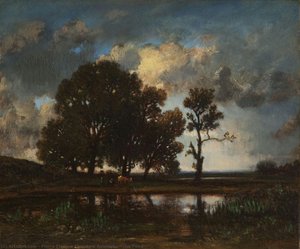
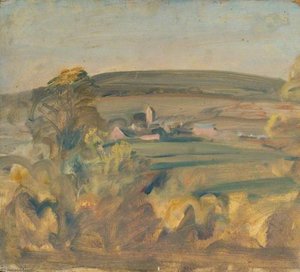
Biografija umetnika
Gustave Courbet: A Revolutionary of the Real
Jean Désiré Gustave Courbet, born in Ornans, France, on June 10, 1819, and tragically dying in La Tour-de-Peilz on December 31, 1877, was more than just a painter; he was a catalyst. A pivotal figure in the transition from Romanticism to Realism, Courbet fundamentally challenged artistic conventions of his time, rejecting idealized beauty for an unflinching portrayal of everyday life and the realities of the working class. His bold choices—subject matter, technique, and unwavering commitment to depicting the world as he saw it—left an indelible mark on the course of art history, influencing generations of artists to come.
Courbet’s early life was steeped in a pragmatic sensibility. Born into a prosperous farming family, his father, Eléonor-Régis Courbet, recognized his son's artistic talent and, defying societal expectations, supported his ambition to pursue painting. This familial encouragement provided the foundation for Courbet’s independent spirit and unwavering dedication to his craft. He initially studied law in Paris, but quickly abandoned this path, immersing himself entirely in the world of art. His early training involved meticulous copying of masterworks at the Louvre, a process he viewed as essential for understanding technique and composition – a deliberate contrast to the Romantic emphasis on originality.
The Salon, France’s premier annual exhibition, served as Courbet's primary venue for showcasing his work. However, the Salon jury proved stubbornly resistant to his increasingly radical style. His paintings were repeatedly rejected due to their unconventional subject matter and lack of adherence to academic standards. This rejection, rather than discouraging him, fueled his determination to forge a new path. He famously declared that he would only paint what he could see, rejecting the idealized landscapes and mythological scenes favored by the establishment.
The Rise of Realism and Courbet’s Vision
Courbet's artistic vision was rooted in a deep empathy for the marginalized and overlooked members of society. He deliberately chose subjects that were typically ignored by mainstream artists – rural laborers, peasants, and scenes of everyday life. His most celebrated works, such as *A Burial at Ornans* (1849-50) and *The Stone Breakers* (1863-64), are monumental in scale and profoundly moving in their depiction of the harsh realities faced by the working class. These paintings were not intended to be sentimental or romanticized; instead, they presented a stark and uncompromising view of poverty, labor, and social inequality.
*A Burial at Ornans*, for instance, depicts a village funeral with an astonishing lack of idealization. The figures are rendered in meticulous detail, their faces etched with grief and weariness. The painting’s sheer size—over 10 feet by 8 feet—further emphasizes the importance of the event and the collective nature of mourning. Similarly, *The Stone Breakers* portrays two elderly laborers engaged in backbreaking work, their bodies worn down by years of toil. Courbet's deliberate choice to depict these subjects on a grand scale challenged the traditional hierarchy of artistic subject matter, elevating the lives of ordinary people to the level of historical or mythological narratives.
Courbet’s approach extended beyond mere subject matter; he also revolutionized painting technique. He employed a direct and unmodulated brushstroke, rejecting the smooth, polished surfaces favored by academic painters. His colors were often muted and earthy, reflecting the tones of the landscapes and subjects he depicted. He sought to capture the essence of his subjects with immediacy and honesty, eschewing elaborate detail or decorative effects.
Major Works and Lasting Influence
Courbet’s oeuvre is remarkably diverse, encompassing landscapes, seascapes, portraits, still lifes, and historical scenes. However, several works stand out as particularly significant contributions to the Realist movement: *The Stone Breakers*, already mentioned, remains one of his most iconic paintings; *Olympia* (1863), a provocative nude that scandalized Parisian society with its unflinching gaze and rejection of conventional beauty standards; *Wheatfield with Crows* (1890), a brooding landscape imbued with an unsettling sense of foreboding; and, of course, *A Burial at Ornans*, which remains a testament to his commitment to depicting the realities of everyday life.
Courbet’s influence on subsequent generations of artists is undeniable. He paved the way for Impressionism by challenging traditional notions of representation and advocating for a more direct and subjective approach to painting. Artists like Édouard Manet, Claude Monet, and Pierre-Auguste Renoir were all deeply influenced by Courbet's radical ideas and techniques. Furthermore, his emphasis on social realism inspired movements such as Social Realism in the 20th century.
A Legacy of Authenticity
Gustave Courbet’s legacy extends far beyond his individual paintings. He fundamentally altered the relationship between art and society, demonstrating that art could be a powerful tool for social commentary and political engagement. His unwavering commitment to depicting the world as he saw it—without embellishment or idealization—established a new standard of artistic integrity. Courbet’s insistence on painting “what one sees” continues to resonate with artists today, reminding us of the importance of authenticity, honesty, and a deep connection to the subject matter.
Despite facing considerable opposition during his lifetime, Courbet's work gradually gained recognition after his death. Today, he is celebrated as one of the most important figures in modern art—a revolutionary who dared to challenge convention and redefine the boundaries of artistic expression.
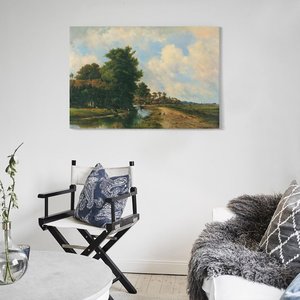
alexander hieronymus van de sande bakhuyzen
1819 - 1895 , Netherlands
Kratke činjenice
- Artistic Movement Or Style: Realism
- Artists Or Movements Influenced By This Artist:
- Impressionism
- Cubism
- Artists Who Influenced This Artist:
- Velázquez
- Ribera
- Date Of Birth: June 10, 1819
- Date Of Death: December 31, 1877
- Full Name: Gustave Courbet
- Nationality: French
- Notable Artworks:
- A Burial at Ornans
- The Stone Breakers
- Olympia
- Place Of Birth: Ornans, France

