

 Pregledaj u prostoru
 Pošalji
 Podeli
 Detalji o delu

 Преузми
 Slični predmeti
 Rendgenski snimak
 Slajdovi
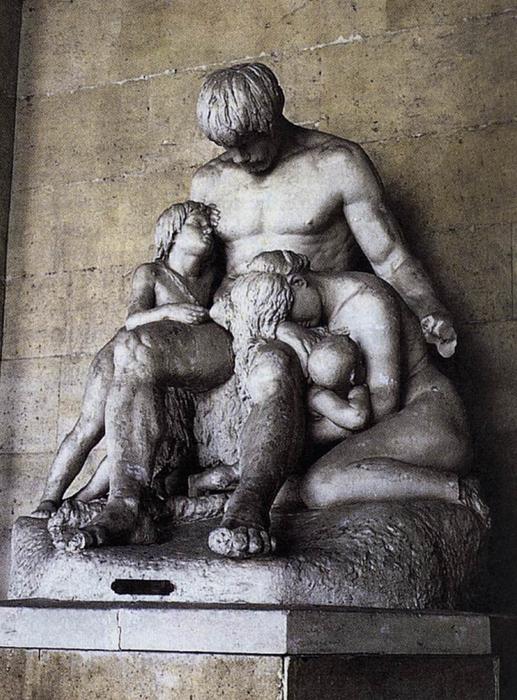
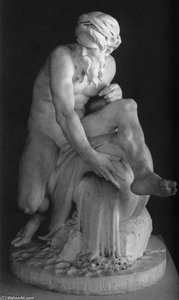
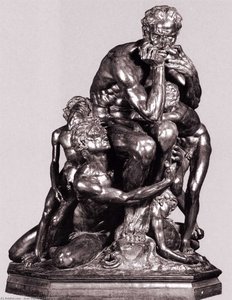
Cain and his Children Accursed of God


 Pročitaj više
Ručno rađena uljana reprodukcija
Ručno oslikano uljanim bojama na platnu u dimenzijama i okviru po vašem izboru, izrađeno po porudžbini od strane naših umetnika. ( Kupi print Kupi digitalnu sliku)




































Izaberite jednu od naših unapred definisanih veličina koje odgovaraju originalnim proporcijama umetničkog dela.

Можете унети сопствене димензије како бисте прилагодили дело одређеном оквиру или простору. Ако одабрана величина не одговара пропорцијама оригинала, слика ће бити исечена или проширена додатним елементима који се ручно насликавају. Дигитални prikaz ће вам бити послат на одобрење пре почетка производње.
Имајте на уму да преглед на екрану не одражава стварно исецање или проширење. Само приказ (mockup) ће тачно приказати коначну композицију.
Иако су доступне прилагођене величине, препоручујемо да одаберете димензију из дефинисане листе како бисте сачували оригиналне пропорције.
Nakon narudžbine, tim ArtsDot.com će klijentu putem e-pošte poslati uputstva i dostaviti prikaz predloženog rešenja
Isporuka širom sveta () za 3/4 nedelje umesto uobičajenih 5 nedelja. (31 август). Bez kompromisa po pitanju kvaliteta.

Besplatna ekspresna dostava širom sveta

Visokokvalitetno laneno platno

Kompletno osiguranje transporta

Garancija povraćaja carine i uvoznih dažbina

Garancija vernosti boja

Politika povrata u roku od 60 dana (samo u slučaju nedostataka)

Garancija povrata novca od 100%

Popust pri grupnoj kupovini
 Opcija sa staklom dostupna je samo za dimenzije manje od 110 cm

Cain and his Children Accursed of God
Tehnika reprodukcije
Dimenzije reprodukcije
-


Konačna cena
$ 263
Srodna umetnička dela

Biografija umetnika
A Life Bridging Worlds: Antoine Étex and the French Artistic Transition
Antoine Étex, born in Paris in 1808 and passing away in Chaville in 1888, occupies a fascinating, if sometimes overlooked, position within the landscape of 19th-century French art. He was an artist of remarkable versatility—a sculptor first and foremost, but also a painter and architect—who embodied the shifting currents that moved France from the formality of Neoclassicism toward the emotional intensity of Romanticism. Étex’s career wasn't defined by radical innovation, but rather by a skillful synthesis of tradition and emerging sensibilities, making his work a compelling reflection of its era. His early aptitude for the arts led him to formal training in sculpture, a discipline that would remain central to his artistic identity throughout his life, instilling within him a meticulous technique and deep understanding of classical forms.Early Recognition and Monumental Commissions
Étex first presented his work to the public at the prestigious Paris Salon in 1833, immediately signaling his arrival as a talent to watch. Two pieces were exhibited that year: a marble reproduction of *Death of Hyacinthus* and a plaster cast titled *Cain and His Race Cursed by God*. These early works demonstrated not only technical proficiency but also an ability to imbue mythological narratives and biblical scenes with dramatic weight and emotional resonance. However, it was a commission from Adolphe Thiers, then Minister of Public Works, that truly propelled Étex into the forefront of French artistic life. He was entrusted with creating the sculptural groups of *Peace* and *War* intended to adorn the east facade of the Arc de Triomphe. Completed between 1833 and 1837, these monumental sculptures were more than just decorative elements; they were statements of national identity and civic virtue, and their successful execution cemented Étex’s reputation as a leading sculptor of his generation. The scale and ambition of this project established him as an artist capable of handling large-scale public works with both technical skill and artistic vision.A Diverse Oeuvre: Sculpture, Painting, and Architecture
While best known for the Arc de Triomphe sculptures, Étex’s creative output was remarkably diverse. His oeuvre encompassed a wide range of sculptural groups exploring mythological and religious themes, demonstrating his continued engagement with classical subject matter. Beyond sculpture, he also undertook architectural projects, designing tombs and monuments that showcased his understanding of spatial relationships and decorative detail. Perhaps surprisingly to some, Étex also produced paintings, such as *Eurydice* and *The Martyrdom of Saint Sebastian*, revealing a versatility across different media that speaks to the breadth of his artistic interests. His style is characterized by a compelling blend of Neoclassical precision—evident in the anatomical accuracy and careful modeling of his figures—and Romantic expressiveness, which manifests in the dramatic narratives and heightened emotionality of his compositions. He didn’t abandon classical forms entirely, but infused them with a new sense of dynamism and psychological depth.A Poignant Tribute: The Tomb of Théodore Géricault
Among Étex's most poignant achievements is the tomb he designed for fellow artist Théodore Géricault in Père Lachaise Cemetery. This memorial stands as a powerful testament to both artistic skill and personal respect. It features a bronze figure of Géricault himself, gazing thoughtfully into the distance, alongside a low-relief depiction of his controversial masterpiece, *The Raft of the Medusa*. The choice to include this specific work is particularly significant; it acknowledges Géricault’s bold departure from academic conventions and his unflinching portrayal of human suffering. Étex's tomb isn’t merely a marker of death but a celebration of artistic courage and a poignant dialogue between two generations of French artists. It demonstrates Étex’s ability to capture complex emotions and translate them into enduring sculptural form.Legacy and Historical Significance
Antoine Étex was not solely dedicated to the practical execution of art; he also engaged with its intellectual underpinnings, authoring essays on subjects related to artistic theory and practice. This demonstrates a thoughtful engagement with the broader artistic discourse of his time. While perhaps not as widely celebrated today as some of his contemporaries, Étex’s contributions remain vital for understanding the development of 19th-century French sculpture and art. His work reflects the transitional period between Neoclassicism and Romanticism, bridging the gap between classical tradition and modern expression. He influenced subsequent generations of sculptors who sought to combine technical mastery with emotional depth, leaving behind a legacy that continues to resonate within the history of French art. His influence can be seen in the continued exploration of narrative sculpture and the integration of dramatic storytelling into monumental public works.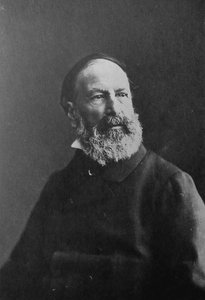
Antoine Étex
1808 - 1888 , France
Osnovne informacije
- Artistic Movement Or Style: Neoclassical, Romanticism
- Date Of Birth: March 20, 1808
- Date Of Death: July 14, 1888
- Full Name: Antoine Étex
- Nationality: French
- Notable Artworks:
- Peace
- War
- Géricault's Tomb
- Blanche de Castille
- Eurydice
- The Martyrdom of Saint Sebastian
- Place Of Birth: Paris, France

