

 Pregledaj u prostoru
 Pošalji
 Podeli
 Detalji o delu

 Преузми
 Slični predmeti
 Rendgenski snimak
 Slajdovi
 Stats
StatsRebel Cat

 Pročitaj više
Ručno rađena uljana reprodukcija
Ručno oslikano uljanim bojama na platnu u dimenzijama i okviru po vašem izboru, izrađeno po porudžbini od strane naših umetnika. ( Switch to Print Switch to Digital Image)




































Izaberite jednu od naših unapred definisanih veličina koje odgovaraju originalnim proporcijama umetničkog dela.

Можете унети сопствене димензије како бисте прилагодили дело одређеном оквиру или простору. Ако одабрана величина не одговара пропорцијама оригинала, слика ће бити исечена или проширена додатним елементима који се ручно насликавају. Дигитални prikaz ће вам бити послат на одобрење пре почетка производње.
Имајте на уму да преглед на екрану не одражава стварно исецање или проширење. Само приказ (mockup) ће тачно приказати коначну композицију.
Иако су доступне прилагођене величине, препоручујемо да одаберете димензију из дефинисане листе како бисте сачували оригиналне пропорције.
Nakon narudžbine, tim ArtsDot.com će klijentu putem e-pošte poslati uputstva i dostaviti prikaz predloženog rešenja
Isporuka širom sveta () za 3/4 nedelje umesto uobičajenih 5 nedelja. (8 септембар). Bez kompromisa po pitanju kvaliteta.

Besplatna ekspresna dostava širom sveta

Visokokvalitetno laneno platno

Kompletno osiguranje transporta

Garancija povraćaja carine i uvoznih dažbina

Garancija vernosti boja

Politika povraćaja u roku od 100 dana (isključivo u slučaju nedostataka)

Garancija povrata novca od 100%

Popust pri grupnoj kupovini
 Opcija sa staklom dostupna je samo za dimenzije manje od 110 cm

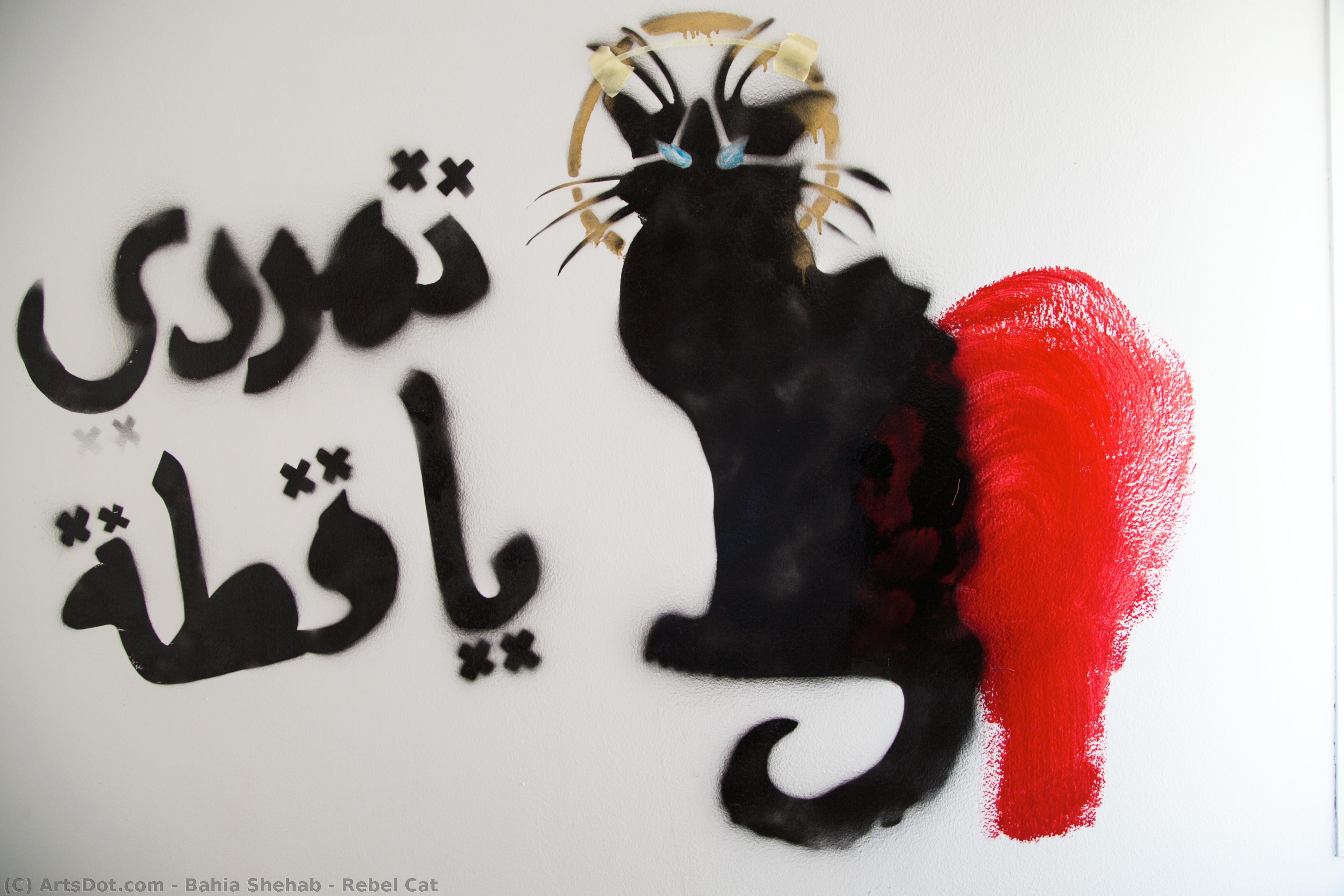
Rebel Cat
Tehnika reprodukcije
Dimenzije reprodukcije
-


Konačna cena
$ 263
A Bold Fusion of Calligraphy and Contemporary Art
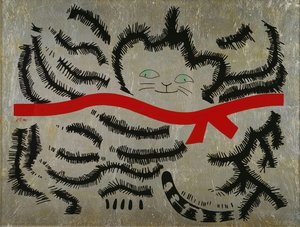
Bahia Shehab’s "Rebel Cat" is a striking mixed-media artwork that seamlessly blends traditional Islamic calligraphy with contemporary illustrative techniques. The piece centers around a powerful depiction of a black cat, rendered in bold, stylized Arabic script and punctuated by vibrant red accents against a stark white background. This isn't merely a portrait; it’s a symbolic representation imbued with cultural significance and a palpable sense of defiance. The composition immediately draws the eye, its dynamic energy stemming from the contrast between the dark feline form and the fiery red brushstrokes that define its essence.Artistic Technique & Materials
Shehab's technique is a fascinating marriage of disciplines. She employs freehand calligraphy as the foundational element, skillfully integrating Arabic script into the cat’s silhouette and surrounding space. This isn't simply decorative lettering; it contributes to the overall form and meaning of the piece. The vibrant red paint, likely acrylic or a similar medium, is applied with expressive brushwork, creating texture and adding a layer of dynamism that contrasts beautifully with the more structured calligraphy. The materials used – white canvas/paper, black ink or pigment, and the striking red paint – contribute to the artwork’s visual impact, ensuring clarity and vibrancy in reproduction. The flat perspective emphasizes the graphic nature of the work, lending it a modern feel.Cultural Context & Symbolism
The choice of subject matter is deeply rooted in Arabic culture. The cat, specifically referencing the phrase “Tamri Kayfa” (meaning "How are you?"), transcends its literal representation to become a symbol of connection and inquiry. The name itself, "Rebel Cat," hints at a spirit of independence and nonconformity. Furthermore, the color red carries significant weight in Arab culture, often symbolizing passion, energy, and even danger or rebellion – perfectly aligning with the cat’s defiant persona. Shehab's work frequently addresses social and political issues within the Arab world, and "Rebel Cat" can be interpreted as a visual commentary on challenging norms and embracing individuality. Her broader artistic practice, as evidenced by her other works like “Rebel Cats,” demonstrates a commitment to using art as a vehicle for activism and cultural exploration.Emotional Impact & Artistic Legacy
“Rebel Cat” evokes a powerful emotional response – boldness, defiance, and a sense of playful energy. The striking contrast in color and the dynamic brushstrokes create a visually arresting piece that commands attention. Bahia Shehab’s work has gained prominence since its emergence during the 2011 revolution, reflecting her ability to capture the spirit of change and resilience within contemporary Arab society. As a multidisciplinary artist, designer, historian, creative director, educator, and activist, Shehab's unique perspective enriches her art with layers of meaning, making "Rebel Cat" not just an aesthetically pleasing piece but also a thought-provoking commentary on identity, culture, and social change.Srodna umetnička dela
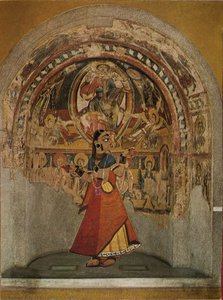
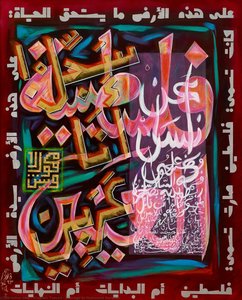
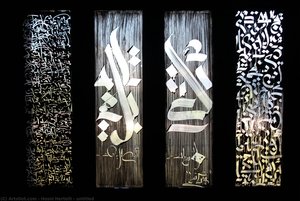
Biografija umetnika
A Voice Forged in Calligraphy and Revolution
Bahia Shehab isn’t simply an artist; she is a cultural cartographer, meticulously charting the intersections of identity, heritage, and social justice through a powerfully unique visual language. Born in Beirut in 1977, her journey led her back to Egypt, where she has become a pivotal figure in contemporary Arab art. Her work doesn’t merely depict the complexities of the region—it *is* a product of them, born from a deep engagement with its history and an unwavering commitment to its future. Shehab's multidisciplinary approach – encompassing roles as designer, historian, creative director, educator, and activist – allows her to navigate these complex terrains with remarkable depth and nuance. Her art is not confined to galleries; it breathes in the streets of Cairo, resonating with a public hungry for expression and change.From Ancient Scripts to Modern Protest
Shehab’s artistic foundation lies firmly rooted in the exquisite tradition of Islamic calligraphy. However, she doesn't approach this heritage as a static relic to be preserved but rather as a dynamic tool to be reimagined. She masterfully blends centuries-old techniques with modern graphic design principles, infusing them with potent political messaging. This isn’t simply about aesthetics; it’s about reclaiming and recontextualizing a visual vocabulary that has long been central to Arab identity. Her influences are diverse, drawing inspiration from the intricate patterns and symbolic meanings embedded within historical Islamic art, the vibrant energy of Egyptian street culture, and the critical insights of feminist thought. She sees in these sources not just artistic precedents but also pathways for dialogue and resistance. The streets of Cairo, with their layered visual narratives, became a crucial canvas for her work, particularly during the tumultuous period of the 2011 revolution.The Power of ‘No’ and Beyond
Central to understanding Shehab's artistic vision is recognizing the power she invests in Arabic script. For her, it isn’t merely a decorative element but a vehicle for conveying profound messages—a means of giving voice to the marginalized and challenging oppressive structures. Her groundbreaking project, “A Thousand Times No,” exemplifies this approach. Initially conceived as an exploration of the historical variations of the Arabic ‘no,’ the work took on new urgency during the Egyptian uprising. Shehab transformed this seemingly simple negation into a powerful symbol of defiance, spray-painting it across Cairo’s walls in countless forms, each iteration resonating with specific grievances and aspirations. This act wasn't just artistic expression; it was an intervention—a reclaiming of public space and a declaration of resistance. Beyond “A Thousand Times No,” her work consistently tackles themes of political oppression, social inequality, and the challenges faced by women in Arab societies, employing bold typography and striking visual compositions to amplify her message.Recognition and Legacy
Bahia Shehab’s impact extends far beyond the borders of Egypt. Her street art interventions sparked crucial dialogues and inspired social change within the region and internationally. Exhibitions worldwide have brought Arab contemporary art to a global audience, challenging conventional narratives and fostering cross-cultural understanding. Recognition has come in many forms, including features in prestigious publications like Polaris Catalogue (2019) and, notably, being the first Arab woman to receive the UNESCO-Sharjah Prize for Arab Culture. She is also a TED Global Fellow and Senior Fellow, platforms that have allowed her to share her vision with an even wider audience. Her current role as Professor of Practice in Design at The American University in Cairo further solidifies her legacy, shaping the next generation of artists and designers who are committed to using their creativity for social impact. Bahia Shehab’s work is a testament to the enduring power of art to challenge injustice, preserve cultural heritage, and inspire hope—a vital voice within the contemporary Arab art scene and beyond.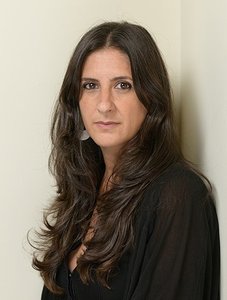
Bahia Shehab
1977 - , Lebanon
Osnovne informacije
- Artistic Movement Or Style: Contemporary Arab art
- Artists Who Influenced This Artist: ['Islamic calligraphy artists']
- Date Of Birth: 1977
- Full Name: Bahia Shehab
- Nationality: Egyptian-Lebanese
- Notable Artworks:
- Rebel Cat
- Some people...
- How Big is the Idea
- Place Of Birth: Beirut, Lebanon
Povezani članci

Crimson Threads of Narrative: Exploring Symbolism & Representation in Artworks Featuring the Red Dress
Explore the rich symbolism of the red dress in art history! From ancient power displays to iconic portraits like Cézanne’s 'Madame Cezanne', discover the cultural and artistic significance behind this captivating color. Expert analysis & insights.
The Magic of Collage: How to Layer Texture and Story into Your Home Decor
Elevate your interiors with the magic of collage. Discover expert tips on layering texture, 3D elements, and personal narratives through mixed media art to create a soulful, sophisticated home decor experience.
Mark Rothko: 25 Remek-dela Apstraktne Ekspresije za Vaš Dom | ArtsDot
Istražite 25 remek-dela Marka Rothka – ikona apstraktne ekspresije. Otkrijte priče, tehnike i emocije iza ovih veličanstvenih slika. Reprodukcije vrhunskog kvaliteta za vaš dom na ArtsDot.com!
Henri Matisse: 25 Remek-dela koji definišu boju i modernu umetnost | ArtsDot
Uronite u svet Henri Matissea! Istražite 25 remek-dela Fauvizma i moderne umetnosti. Otkrijte priče iza slika, tehnike i inspiraciju slavnog francuskog slikara. Reprodukcije vrhunskog kvaliteta dostupne na ArtsDot.com.
Pop Art Revolution: How Mass Media and Consumer Culture Redefined the Modern Masterpiece
Discover how Pop Art transformed the modern masterpiece by embracing mass media and consumer culture. Explore the vibrant history of icons like Warhol and Lichtenstein, and learn how to bring this bold, colorful energy into your home with expert art inspiration.