

 Pregledaj u prostoru
 Pošalji
 Podeli
 Detalji o delu

 Преузми
 Slični predmeti
 Rendgenski snimak
 Slajdovi
 Statistika
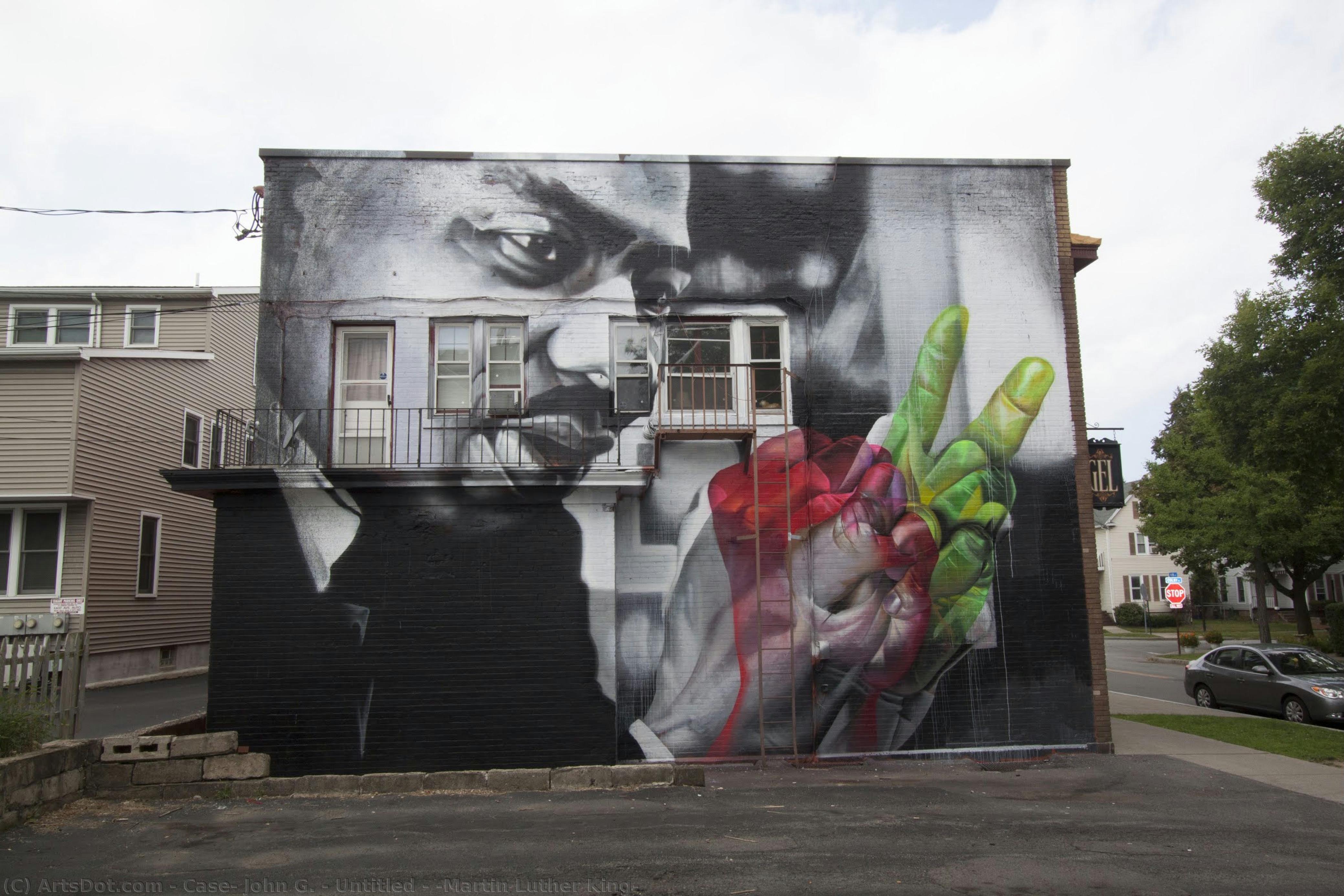
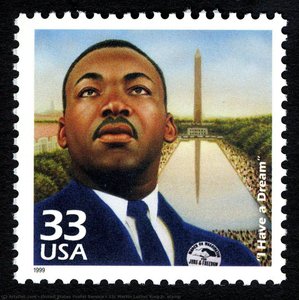
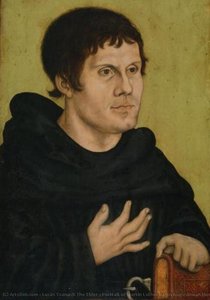
Untitled - (Martin Luther King)

 Pročitaj više
Ručno rađena uljana reprodukcija
Ručno oslikano uljanim bojama na platnu u dimenzijama i okviru po vašem izboru, izrađeno po porudžbini od strane naših umetnika. ( Pređi na štampu Pređi na digitalnu sliku)




































Izaberite jednu od naših unapred definisanih veličina koje odgovaraju originalnim proporcijama umetničkog dela.

Можете унети сопствене димензије како бисте прилагодили дело одређеном оквиру или простору. Ако одабрана величина не одговара пропорцијама оригинала, слика ће бити исечена или проширена додатним елементима који се ручно насликавају. Дигитални prikaz ће вам бити послат на одобрење пре почетка производње.
Имајте на уму да преглед на екрану не одражава стварно исецање или проширење. Само приказ (mockup) ће тачно приказати коначну композицију.
Иако су доступне прилагођене величине, препоручујемо да одаберете димензију из дефинисане листе како бисте сачували оригиналне пропорције.
Nakon narudžbine, tim ArtsDot.com će klijentu putem e-pošte poslati uputstva i dostaviti prikaz predloženog rešenja
Isporuka širom sveta () za 3/4 nedelje umesto uobičajenih 5 nedelja. (11 септембар). Bez kompromisa po pitanju kvaliteta.

Besplatna ekspresna dostava širom sveta

Visokokvalitetno laneno platno

Kompletno osiguranje transporta

Garancija povraćaja carine i uvoznih dažbina

Garancija vernosti boja

Politika povraćaja u roku od 100 dana (isključivo u slučaju nedostataka)

Garancija povrata novca od 100%

Popust pri grupnoj kupovini
 Opcija sa staklom dostupna je samo za dimenzije manje od 110 cm

Untitled - (Martin Luther King)
Tehnika reprodukcije
Dimenzije reprodukcije
-


Konačna cena
$ 263
Srodna umetnička dela

Biografija umetnika
The Pioneering Lens of John G. Case: Capturing Victorian America
John G. Case, born in Boston, Massachusetts in 1830, stands as a significant, though often overlooked, figure in the early development of American photography. His career unfolded during a period of rapid technological advancement and burgeoning artistic exploration within the medium, a time when photography was transitioning from scientific curiosity to recognized art form. While not a household name like some of his contemporaries, Case’s work provides a compelling window into 19th-century life, particularly in New England, and demonstrates a keen eye for both portraiture and landscape. His story is one of partnership, adaptation, and ultimately, establishing a lasting visual record of a changing nation.Early Collaborations and the Rise of Silsbee & Case
Case’s professional journey began in the bustling photographic scene of Boston in the early 1860s. He quickly recognized the power of collaboration, forming a partnership with George M. Silsbee and William H. Getchell as “Silsbee, Case & Co.” This venture proved pivotal, allowing him to gain experience and access to resources crucial for establishing a foothold in the competitive market. The studio specialized in portraiture, catering to Boston’s growing middle class eager to document their families and social standing. The early work of Silsbee & Case reflects the prevailing aesthetic of the time – carefully posed subjects, meticulous attention to detail, and a focus on conveying respectability and status. However, even within these conventional parameters, hints of Case's individual style began to emerge: a subtle sensitivity to light and shadow, and an ability to capture a sense of personality beyond mere physical likeness. The partnership dissolved after a few years, but the foundation for Case’s future success had been firmly laid.Case & Getchell and the Pursuit of Artistic Expression
Following his time with Silsbee, Case re-entered into another collaboration, this time with William H. Getchell as “Case & Getchell” from approximately 1862 to 1864. This period saw a broadening of their photographic scope. While portraiture remained important, they increasingly turned their attention towards landscape photography, documenting the scenic beauty of New England and beyond. This shift suggests Case’s growing artistic ambition – a desire to move beyond simply recording appearances and to explore the expressive potential of the medium itself. The landscapes produced by Case & Getchell are characterized by a romantic sensibility, often featuring dramatic skies, picturesque vistas, and a careful balance between detail and atmosphere. They were not merely topographical records; they were interpretations of nature imbued with emotion and aesthetic intent.A Solo Studio and the Legacy of “Kodak Girl”
By the late 1860s, Case established his own independent studio in Boston. This marked a turning point in his career, allowing him complete creative control over his work. He continued to produce high-quality portraits, but also embraced new technologies and techniques as they emerged. Perhaps his most enduring image – and one that has cemented his place in photographic history – is the photograph known as “Kodak Girl.” Taken around 1880, it depicts a young woman casually operating a Kodak camera, a revolutionary device that democratized photography by making it accessible to amateurs. The image is not simply a demonstration of new technology; it’s a powerful symbol of changing social roles and the increasing freedom afforded to women in the late Victorian era. “Kodak Girl” became an iconic advertisement for Eastman Kodak, and its widespread circulation helped popularize photography as a leisure activity.Historical Significance and Enduring Appeal
John G. Case’s contributions to American photography extend beyond any single image. He was a skilled practitioner who adapted to the evolving technological landscape while maintaining a consistent artistic vision. His work provides invaluable insights into 19th-century portraiture, landscape aesthetics, and social dynamics. His early partnerships were instrumental in establishing photographic studios that catered to a growing clientele, and his later solo endeavors demonstrated a commitment to innovation and artistic expression. The enduring appeal of images like “Kodak Girl” lies not only in their historical significance but also in their ability to capture a sense of time, place, and the human spirit. Case’s legacy is one of quiet mastery, a testament to the power of photography to document, interpret, and ultimately, shape our understanding of the past. He died in Boston in 1891, leaving behind a rich visual archive that continues to fascinate and inspire.
case, john g.
1830 - 1891 , United States of America
Osnovne informacije
- Artistic Movement Or Style: Photography
- Date Of Birth: 1830
- Date Of Death: 1891
- Full Name: John G. Case
- Nationality: American
- Notable Artworks: ['Kodak Girl']
- Place Of Birth: Boston, USA
Povezani članci

25 Remek-dela Džona Singera Sargenta: Portreti Elegancije i Svetlosti | ArtsDot
Uronite u svet Džona Singera Sargenta! Otkrijte 25 remek-dela impresionizma i realizma, od portreta Madame X do fascinantnih akvarela. Inspiracija za dekoraciju enterijera & luksuzne reprodukcije slika na ArtsDot.com.

Od džungolskih prizora do zlatnog geometrijskog dizajna: vodič kroz najtraženije stilove murala danas
Otkrijte najtraženije stilove murala za hotelske prostore! Vodič stručnjaka sa savetima o dizajnu, tehnikama izrade i održavanju. Kreirajte jedinstveni ambijent uz personalizovane zidne slike.

Sidrišta u Dizajnu Enterijera Hotela: Sveobuhvatni Priručnik za Kreativno Korišćenje Murala
Sveobuhvatni priručnik za kreativno korišćenje murala u hotelima! Eksperti saveti o dizajnu, materijalima i tehnikama. Transformišite prostor hotela u luksuzno utočište uz prelepa sidrišta.

25 Remek-dela Džona Konstebla: Lepota Engleske na Platnu | ArtsDot
Uronite u svet Džona Konstebla! Otkrijte 25 remek-dela engleskog pejzaža, romantizma i seoske idile. Kupite reprodukcije slika vrhunskog kvaliteta za dekoraciju enterijera na ArtsDot.com.

Преображај простора: Улога мурала у редефинисању кухиња и купатила – Естетика, материјали и трендови савременог дизајна
Претворите кухињу и купатило у инспиративне просторе уз мурале! Савети стручњака, трендови, материјали и професионална изведба. Остварите савршен дизајн ентеријера уз квалитет и креативност.