

 Pregledaj u prostoru
 Pošalji
 Podeli
 Detalji o delu

 Преузми
 Slični predmeti
 Rendgenski snimak
 Slajdovi
 Statistika
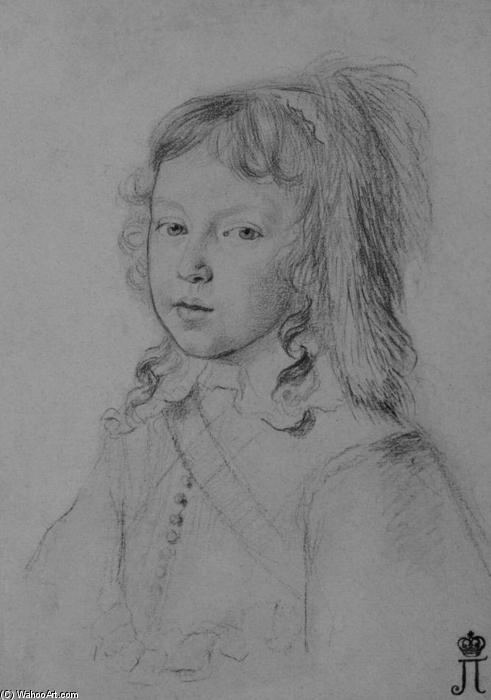
Portrait of Louis XIV as a Child
 Etching
- WallArt
- Baroque Realism
 1644
1644- Early Modern
 210.0 x 150.0 cm
 Hermitage Museum
 Pročitaj više
Giclee štampa / Umetnički otisak
Giclée štampa ili print na platnu muzejskog kvaliteta uz brzu proizvodnju i fleksibilne opcije završne obrade. ( Kupi ručno naslikanu sliku Pređi na digitalnu sliku)




P118B $10

P118H $10

P118W $10

P438Z $10

P508JH $12

P508YH $12

P805H $10

P805Z $10

P919BZ $10

P919G $10

P919XJ $10

P959ZH $10

P968JZ $12

W106C $8

W218G $10

W218JH $8

W218Y $10

W307PJ $10

W316G $10

W316PJ $8

W316Y $10

W398PJ $8

W4111J $10

W500HY $15

W500JH $15

W692G $12

W849H $8

W940BG $15

W953PJ $8




Izaberite jednu od naših unapred definisanih veličina koje odgovaraju originalnim proporcijama umetničkog dela.

Možete uneti sopstvene dimenzije kako biste umetničko delo prilagodili specifičnom okviru ili prostoru. Ako odabrani format ne odgovara proporcijama originalne slike, mi ćemo ili iscrtati deo dela ili proširiti sliku pomoću ogledane ivice ili jednobojnog popunjavanja. Digitalni prikaz će vam biti poslat na odobrenje pre početka proizvodnje.
Imajte na umu da pregled na ekranu ne odražava stvarno iscrtavanje ili proširivanje. Samo će prikaz (mockup) precizno pokazati finalnu kompoziciju.
Iako su prilagođene dimenzije dostupne, preporučujemo da odaberete dimenziju sa unapred definisane liste kako biste očuvali originalne proporcije.
Dostava širom sveta () za 2 nedelje umesto uobičajenih 4/5 nedelja. (10 септембар)

Besplatna ekspresna dostava širom sveta

Visokokvalitetno laneno platno

Kompletno osiguranje transporta

Garancija povraćaja carine i uvoznih dažbina

Garancija vernosti boja

Politika povraćaja u roku od 100 dana (isključivo u slučaju nedostataka)

Garancija povrata novca od 100%

Popust pri grupnoj kupovini
 Opcija sa staklom dostupna je samo za dimenzije manje od 110 cm

Portrait of Louis XIV as a Child
Giclee štampa / Umetnički otisak
Dimenzije reprodukcije
-


Konačna cena
$ 62
Portrait of Louis XIV as a Child: A Study in Baroque Precision
The drawing by Claude Mellan, “Portrait of Louis XIV as a Child,” transcends mere representation; it embodies the meticulous spirit of Baroque art and offers a glimpse into the formative years of one of France’s most iconic monarchs. Executed in 1644, this monochrome engraving—now housed at The Metropolitan Museum of Art—captures not just an image but also a carefully constructed narrative about power, innocence, and royal lineage. Mellan's masterful technique speaks volumes about the artistic conventions of his time, demonstrating a profound understanding of both visual language and psychological nuance.- Composition & Style: The portrait adheres to the established Baroque aesthetic—a centralized composition prioritizing frontal presentation and emphasizing regal dignity. Mellan’s style is characterized by exceptional realism, achieved through painstaking observation and skillful rendering of textures and contours. Unlike later Romantic portraits that sought to convey emotion, this piece prioritizes clarity and composure, reflecting the idealized image of Louis XIV projected during his youth.
- Technique: Mellan employed etching—a process involving transferring an image onto a metal plate and incising lines into its surface—followed by applying ink and wiping away excess material to reveal the engraved design. This technique allowed for incredible detail and tonal gradation, capturing subtle nuances of light and shadow that would have been impossible with fresco or oil paint. The artist’s use of hatching and crosshatching is particularly noteworthy, creating a palpable sense of volume and depth within the seemingly simple depiction of the boy’s face.
- Historical Context: Louis XIV ascended to the throne at just five years old, marking the beginning of his reign—often termed “The Sun King”—which would dominate European politics for decades. Portraits like this served as crucial instruments in legitimizing royal authority and projecting an image of youthful virtue alongside regal grandeur. Mellan’s work reflects the broader cultural preoccupation with portraying monarchs as embodiments of divine grace and moral excellence.
- Symbolism & Emotional Impact: The boy's direct gaze—a hallmark of Baroque portraiture—immediately establishes a connection between the viewer and subject, conveying intelligence and solemnity. His slightly tilted head adds dynamism to the formal pose, hinting at inner contemplation. Furthermore, the elaborate clothing—likely silk brocade—symbolizes Louis XIV’s noble status and reinforces his position as heir to the throne. The overall effect is one of quiet confidence and unwavering resolve, capturing a moment of formative influence that would shape the course of French history.
- Materials Used: Mellan utilized an etching plate crafted from zinc or copper—a material favored for its durability and ability to produce fine lines—and applied ink composed of pigment mixed with resin. The resulting engraving showcases remarkable precision and tonal subtlety, demonstrating Mellan’s mastery of printmaking technique and cementing his place as a pivotal figure in Baroque artistic tradition.
Srodna umetnička dela
Biografija umetnika
A Life Etched in Line: The World of Claude Mellan
Claude Mellan, a name perhaps less instantly recognizable than some of his Baroque contemporaries, nevertheless occupies a significant and unique position within 17th-century French art. Born in Abbeville in 1598, the son of a customs official, Mellan dedicated nearly seventy years to the meticulous crafts of drawing, engraving, and painting—though it is primarily through his extraordinary engravings that his legacy endures. His life unfolded against a backdrop of evolving artistic tastes, shifting royal patronage, and burgeoning scientific inquiry, all of which subtly informed his distinctive style and innovative techniques. While early training remains somewhat shrouded in mystery, the seeds of his artistic vocation were clearly sown in Paris by 1619, evidenced by extant prints from that period. This initial foray into printmaking signaled an active engagement with the Parisian art world, setting the stage for a career marked by both technical brilliance and intellectual curiosity.Roman Refinement and Vouet’s Influence
A pivotal chapter in Mellan's artistic development began with his relocation to Rome in 1624. This journey was not merely a geographical shift but a deliberate immersion into the heart of European art. Initially apprenticed to Francesco Villamena, a respected engraver, Mellan quickly absorbed the fundamentals of the craft. However, it was his subsequent association with Simon Vouet, a prominent French painter already established in Rome, that proved truly transformative. Vouet, recognizing Mellan’s inherent talent, championed the importance of drawing as the bedrock of both engraving and painting. This emphasis on draughtsmanship instilled within Mellan a dedication to precise observation and anatomical accuracy—qualities that would become hallmarks of his work. Under Vouet's guidance, Mellan was exposed to the prevailing classical ideals, absorbing the principles of composition, form, and narrative that characterized Roman Baroque art. He began producing reproductive engravings after designs by other artists, but also ventured into original compositions, demonstrating a growing confidence in his own artistic voice.The Innovation of Parallel Lines: A Revolutionary Technique
Upon returning to Paris around 1637, following a sojourn in Aix-en-Provence with the polymath Nicolas-Claude Fabri de Peiresc, Mellan embarked on a path of radical innovation. Dissatisfied with the conventional cross-hatching technique favored by many engravers, he pioneered a method utilizing exclusively parallel lines of varying width and density to create tonal effects. This was not simply a stylistic preference; it represented a fundamental rethinking of how light and shadow could be rendered through engraving. The result was an aesthetic characterized by remarkable softness, clarity, and subtlety—particularly well-suited for depicting individual figures and smaller subjects. His most celebrated achievement in this technique is undoubtedly “The Face of Christ (Sudarium of Saint Veronica)” created in 1649. This astonishing work depicts the image of Christ almost entirely from a continuous, spiraling line – an unparalleled feat of technical skill and artistic vision that continues to captivate viewers with its ethereal beauty and spiritual intensity.Portraiture, Patronage, and Lasting Significance
Mellan’s reputation flourished in Paris as a sought-after portraitist. He received commissions from members of the royal Bourbon family and other prominent figures, creating both drawings and engravings that captured their likenesses with remarkable fidelity. These portraits offer valuable insights into his artistic process; often, the drawings exhibit greater stylistic freedom than the finished engravings, revealing a nuanced approach to capturing character and personality. Beyond portraiture, Mellan continued to produce religious subjects, allegorical scenes, and landscapes, demonstrating the breadth of his artistic interests. His work reflects a delicate balance between classical ideals and a distinctly personal style—a synthesis that secured his place as a significant figure in 17th-century French art. Anatole de Montaiglon cataloged approximately 400 engravings and around 100 drawings attributed to Mellan, attesting to the prolific nature of his output. Though often overshadowed by more flamboyant Baroque masters, Claude Mellan’s contribution lies not only in his technical mastery but also in his unique artistic vision—a legacy etched forever in line and light. His innovative use of parallel lines revolutionized engraving techniques, influencing subsequent generations of artists and leaving an indelible mark on the history of printmaking.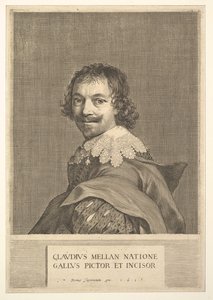
Claude Mellan
1598 - 1688 , France
Osnovne informacije
- Artistic Movement Or Style: Baroque
- Artists Or Movements Influenced By This Artist: Engraving techniques
- Artists Who Influenced This Artist:
- Simon Vouet
- Francesco Villamena
- Date Of Birth: 1598
- Date Of Death: 1688
- Full Name: Claude Mellan
- Nationality: French
- Notable Artworks:
- Face of Christ
- Young Woman with Dagger
- Portrait of James Howell
- Place Of Birth: Abbeville, France
Povezani članci
Etching: A Historical Survey of Technique, Aesthetic Qualities & Enduring Artistic Significance
Explore the rich history of etching, from its origins to Rembrandt's masterful innovations. Discover the technique, aesthetic qualities & enduring legacy of this captivating art form. Expert insights for collectors and enthusiasts.

Giclée Prints: Archival Quality & Aesthetic Nuances for the Discerning Collector
Explore the world of giclée prints with ArtsDot. Learn about archival quality, aesthetic nuances & investment potential. Expert guidance for discerning art collectors seeking museum-quality reproductions and lasting value.

Barok Majstor dela: Top 10 Umjetničkih Remeka za Vaš Dom
Otkrijte 10 remek dela koja su definisala baroknu umetnost! Karavagio, Bernini i više – istražite priče iza ovih ikoničnih slika. Inspiracija za vaš dom? Pogledajte kolekciju na ArtsDot.com!
The Intricate World of Etching: A Historical Survey of Technique, Aesthetic Evolution, and Enduring Artistic Impact
Explore the rich history of etching, from its origins to modern practice. Discover techniques, key artists like Rembrandt, and insights for collectors. A comprehensive guide by ArtsDot.
Etching Masters: 10 Legendary Prints That Revolutionized Art | ArtsDot
Journey through 10 legendary etching masterpieces by Rembrandt, Dürer & Goya. Explore the history of printmaking and discover timeless art for your home. Find museum-quality reproductions at ArtsDot.com.