

 Pregledaj u prostoru
 Pošalji
 Podeli
 Detalji o delu

 Преузми
 Slični predmeti
 Rendgenski snimak
 Slajdovi
 Statistika
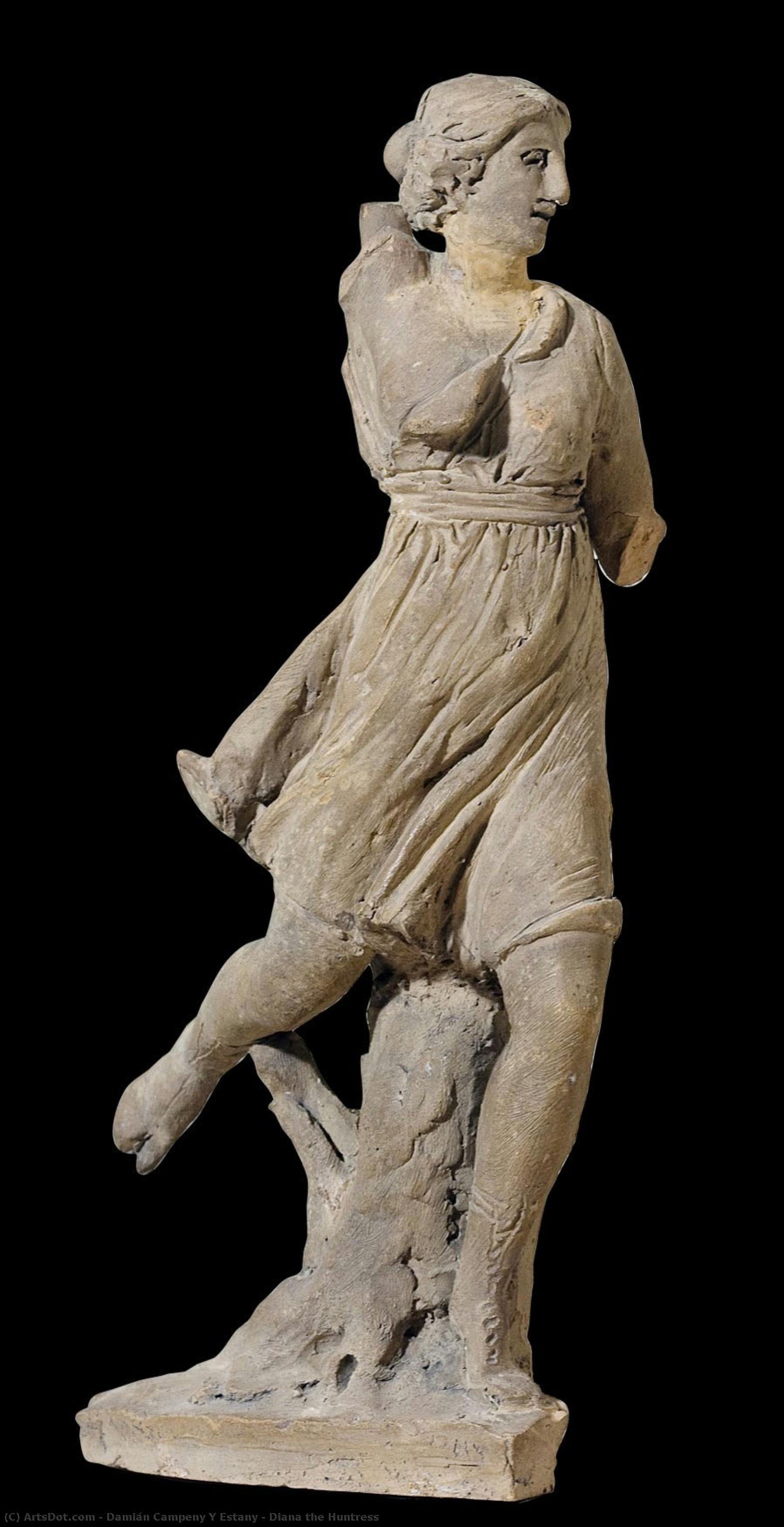
Diana the Huntress
 1810
1810 115.0 x 220.0 cm
 Museu Nacional d'Art de Catalunya
 Pročitaj više
Ručno rađena uljana reprodukcija
Ručno oslikano uljanim bojama na platnu u dimenzijama i okviru po vašem izboru, izrađeno po porudžbini od strane naših umetnika. ( Pređi na štampu Pređi na digitalnu sliku)




































Izaberite jednu od naših unapred definisanih veličina koje odgovaraju originalnim proporcijama umetničkog dela.

Можете унети сопствене димензије како бисте прилагодили дело одређеном оквиру или простору. Ако одабрана величина не одговара пропорцијама оригинала, слика ће бити исечена или проширена додатним елементима који се ручно насликавају. Дигитални prikaz ће вам бити послат на одобрење пре почетка производње.
Имајте на уму да преглед на екрану не одражава стварно исецање или проширење. Само приказ (mockup) ће тачно приказати коначну композицију.
Иако су доступне прилагођене величине, препоручујемо да одаберете димензију из дефинисане листе како бисте сачували оригиналне пропорције.
Nakon narudžbine, tim ArtsDot.com će klijentu putem e-pošte poslati uputstva i dostaviti prikaz predloženog rešenja
Isporuka širom sveta () za 3/4 nedelje umesto uobičajenih 5 nedelja. (13 септембар). Bez kompromisa po pitanju kvaliteta.

Besplatna ekspresna dostava širom sveta

Visokokvalitetno laneno platno

Kompletno osiguranje transporta

Garancija povraćaja carine i uvoznih dažbina

Garancija vernosti boja

Politika povraćaja u roku od 100 dana (isključivo u slučaju nedostataka)

Garancija povrata novca od 100%

Popust pri grupnoj kupovini
 Opcija sa staklom dostupna je samo za dimenzije manje od 110 cm

Diana the Huntress
Tehnika reprodukcije
Dimenzije reprodukcije
-


Konačna cena
$ 263
Srodna umetnička dela




Biografija umetnika
Damià Campeny i Estrany: A Master of Catalan Baroque
Damià Campeny i Estrany (1771-1855) stands as a pivotal figure in the artistic landscape of 18th and early 19th century Catalonia, a period marked by both fervent neoclassical ideals and the enduring legacy of the Baroque. Born in Mataró, a coastal town north of Barcelona, Campeny’s life unfolded against a backdrop of political upheaval – the Napoleonic Wars and subsequent restoration – profoundly shaping his artistic trajectory and ultimately establishing him as one of the most significant sculptors of the Catalan Baroque revival. His work represents a fascinating synthesis of Italianate influences, local traditions, and a deeply personal vision, resulting in a body of art that continues to captivate viewers with its dramatic intensity and emotional resonance. Campeny’s early artistic development was heavily influenced by the prevailing trends of the time. He initially studied under his father, also a sculptor, absorbing fundamental techniques and developing a solid grounding in classical forms. However, it was his travels to Italy – particularly Rome – during the 1800s that proved transformative. These experiences exposed him to the masterpieces of Bernini, Caravaggio, and other Baroque giants, igniting within him a passion for dramatic lighting, dynamic composition, and the exploration of human emotion through sculpture. He meticulously studied their techniques, absorbing not just the formal elements but also the spirit of theatricality and narrative that characterized their work. Upon his return to Catalonia, Campeny immediately began applying these lessons, injecting them into the local artistic context.- Key Influences: Italian Baroque sculpture (Bernini, Caravaggio), Neoclassicism
- Technique: Masterful use of marble carving, dramatic lighting effects, dynamic poses
- Subject Matter: Mythological scenes, religious narratives, portraits – often imbued with a sense of drama and pathos
Major Works and Artistic Style
Campeny’s artistic style is immediately recognizable by its dramatic intensity and theatrical flair. He eschewed the cool detachment of Neoclassicism in favor of a more emotionally charged approach, employing bold contrasts of light and shadow to heighten the impact of his figures. His sculptures are rarely static; instead, they seem caught in moments of intense action or profound emotion – a fleeing figure, a moment of despair, a triumphant gesture. This dynamism is achieved through carefully sculpted drapery that flows with an almost palpable energy, further enhancing the sense of movement and drama. Among his most celebrated works are “Death of Cleopatra” (1804), a monumental marble sculpture depicting the queen’s final moments, and "The Rape of Deianira by the Centaur Nessus," both powerfully rendered with meticulous detail and imbued with a palpable sense of horror and tragedy. These pieces, along with his depictions of Diana the Huntress, showcase Campeny's ability to transform classical myths into emotionally resonant narratives. His work frequently draws upon themes of love, loss, betrayal, and redemption, reflecting the turbulent social and political climate of his time. His sculptures for the Palau de la Llotja in Barcelona are particularly noteworthy, demonstrating a masterful understanding of architectural integration and public art.- Notable Works: “Death of Cleopatra,” “The Rape of Deianira by the Centaur Nessus,” Diana the Huntress
- Techniques: Dramatic chiaroscuro (contrast between light and dark), dynamic drapery, expressive poses
Historical Context and Catalan Identity
Campeny’s work is inextricably linked to the broader artistic and cultural context of Catalonia in the early 19th century. Following the Napoleonic Wars, Catalonia experienced a period of political instability and national awakening. Artists like Campeny played a crucial role in shaping a distinctly Catalan identity through their art, drawing inspiration from local traditions while simultaneously engaging with European artistic trends. His sculptures often incorporated elements of Catalan folklore and mythology, subtly reinforcing regional pride and cultural heritage. Furthermore, Campeny’s career coincided with the rise of Romanticism, an artistic movement that emphasized emotion, individualism, and the sublime. His dramatic compositions and emotionally charged figures align perfectly with the core tenets of Romanticism, reflecting a growing interest in exploring the darker aspects of human experience. He wasn't simply replicating Italian models; he was adapting them to his own cultural context, imbuing them with a uniquely Catalan sensibility.Legacy and Significance
Damià Campeny i Estrany’s legacy extends far beyond his immediate artistic achievements. He is considered one of the most important sculptors of the Catalan Baroque revival, profoundly influencing subsequent generations of artists in the region. His work continues to be exhibited and studied today, demonstrating its enduring appeal and artistic merit. His ability to seamlessly blend classical influences with local traditions resulted in a body of art that remains both visually stunning and emotionally resonant – a testament to his skill as a sculptor and his profound understanding of human nature. He stands as a powerful symbol of Catalan artistic identity, embodying the spirit of innovation, passion, and cultural pride.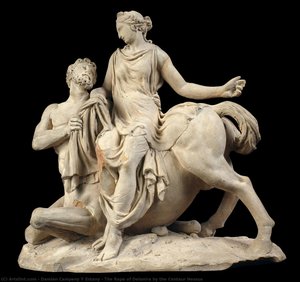
damián campeny y estany
1771 - 1855
Osnovne informacije
- Artistic Movement Or Style: Neoclassicism
- Artists Or Movements Influenced By This Artist: ['European Baroque art']
- Artists Who Influenced This Artist: ['Italian sculptors']
- Date Of Birth: 1771
- Date Of Death: 1855
- Full Name: Damià Campeny i Estrany
- Nationality: Spanish
- Notable Artworks:
- Death of Cleopatra
- Rape of Deianira
- Diana the Huntress
- Place Of Birth: Mataró, Spain