

 Pregledaj u prostoru
 Pošalji
 Podeli
 Detalji o delu

 Преузми
 Slični predmeti
 Rendgenski snimak
 Slajdovi
 Statistika
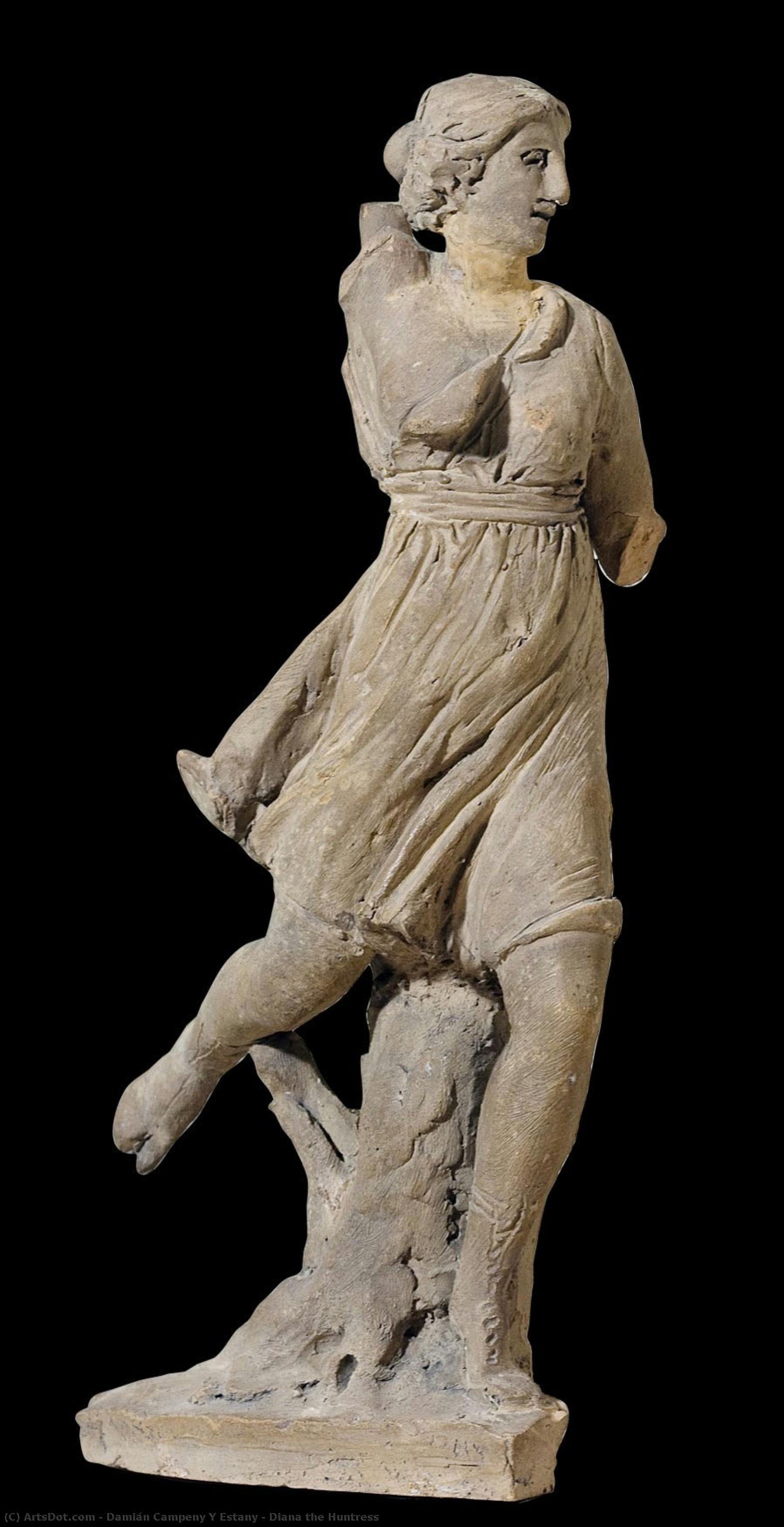
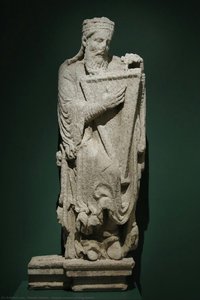
Diana the Huntress
 1810
1810 115.0 x 220.0 cm
 Museu Nacional d'Art de Catalunya
 Pročitaj više
Kupite digitalnu sliku visoke rezolucije i poboljšanog kvaliteta, koja je znatno superiornija od onoga što vidite u online prikazu.
Svaka datoteka je pedantno pripremljena od strane naših stručnjaka koristeći napredne alate i profesionalnu ručnu retušu. Osiguravamo da svaka slika ima izuzetnu oštrinu, preciznu reprodukciju boja i fine detalje.
Konačna datoteka se dostavlja putem e-pošte u roku od 72 sata, optimizovana za neposrednu upotrebu u profesionalnim, izdavačkim i štamparskim okruženjima. To je isti kvalitet kojem veruju vrhunski studiji dizajna, izdavači i galerije.
Digitalna slika
Preuzmite datoteku visoke rezolucije za ličnu upotrebu, štampanje i kreativne projekte. ( Pređi na štampu Kupi ručno naslikanu sliku)
Uključeno uz svaku porudžbinu digitalne slike
Profesionalna digitalna isporuka, zagarantovana
Kada odaberete ArtsDot.com, ne dobijate samo sliku – vi primate profesionalno unapređeno digitalno umetničko delo, izrađeno sa najvećom preciznošću i uz garanciju zadovoljstva. Evo svega što automatski dolazi uz vašu porudžbinu:

Brza dostava putem e-pošte
Vaša digitalna slika visoke rezolucije biće vam poslata putem e-pošte u roku od 72 sata od poručivanja – spremna za trenutnu upotrebu.

Digitalna datoteka unapređena veštačkom inteligencijom
Vaše umetničko delo je profesionalno optimizovano korišćenjem naprednih AI alata i ručne obrade, čime se osiguravaju maksimalni detalji, oštrina i preciznost boja.

Besplatna ponovna isporuka doživotno
Slučajno ste obrisali ili izgubili svoju datoteku? Ne brinite – poslaćemo vam je ponovo u bilo kom trenutku, potpuno besplatno.

Bez troškova uvoza – zauvek
Uživajte u svojim umetničkim delima trenutno, bez carine, dažbina ili troškova dostave – digitalni download je uvek bez poreza.

Garancija vernosti boja
Uz pomoć profesionalnih alata i upravljanja bojama, osiguravamo da vaša digitalna slika što vernije odražava originalne boje.

Garancija zadovoljstva od 100 dana
Ako niste zadovoljni svojom digitalnom slikom, izvršićemo reviziju ili ćemo vam vratiti 100% novca u roku od 100 dana – bez ikakvih pitanja.

100% garancija povrata novca
Niste zadovoljni? Dobijte puni povraćaj novca u roku od 100 dana od prijema digitalne datoteke – bez suvišnih pitanja.

Popusti na velike porudžbine
Kupite 3 slike, uštedite 10% - Kupite 5 slika, uštedite 15% - Kupite 10+ slika, uštedite 20%. Odlično za kreativne projekte, galerije i agencije.
Srodna umetnička dela




Biografija umetnika
Damià Campeny i Estrany: A Master of Catalan Baroque
Damià Campeny i Estrany (1771-1855) stands as a pivotal figure in the artistic landscape of 18th and early 19th century Catalonia, a period marked by both fervent neoclassical ideals and the enduring legacy of the Baroque. Born in Mataró, a coastal town north of Barcelona, Campeny’s life unfolded against a backdrop of political upheaval – the Napoleonic Wars and subsequent restoration – profoundly shaping his artistic trajectory and ultimately establishing him as one of the most significant sculptors of the Catalan Baroque revival. His work represents a fascinating synthesis of Italianate influences, local traditions, and a deeply personal vision, resulting in a body of art that continues to captivate viewers with its dramatic intensity and emotional resonance. Campeny’s early artistic development was heavily influenced by the prevailing trends of the time. He initially studied under his father, also a sculptor, absorbing fundamental techniques and developing a solid grounding in classical forms. However, it was his travels to Italy – particularly Rome – during the 1800s that proved transformative. These experiences exposed him to the masterpieces of Bernini, Caravaggio, and other Baroque giants, igniting within him a passion for dramatic lighting, dynamic composition, and the exploration of human emotion through sculpture. He meticulously studied their techniques, absorbing not just the formal elements but also the spirit of theatricality and narrative that characterized their work. Upon his return to Catalonia, Campeny immediately began applying these lessons, injecting them into the local artistic context.- Key Influences: Italian Baroque sculpture (Bernini, Caravaggio), Neoclassicism
- Technique: Masterful use of marble carving, dramatic lighting effects, dynamic poses
- Subject Matter: Mythological scenes, religious narratives, portraits – often imbued with a sense of drama and pathos
Major Works and Artistic Style
Campeny’s artistic style is immediately recognizable by its dramatic intensity and theatrical flair. He eschewed the cool detachment of Neoclassicism in favor of a more emotionally charged approach, employing bold contrasts of light and shadow to heighten the impact of his figures. His sculptures are rarely static; instead, they seem caught in moments of intense action or profound emotion – a fleeing figure, a moment of despair, a triumphant gesture. This dynamism is achieved through carefully sculpted drapery that flows with an almost palpable energy, further enhancing the sense of movement and drama. Among his most celebrated works are “Death of Cleopatra” (1804), a monumental marble sculpture depicting the queen’s final moments, and "The Rape of Deianira by the Centaur Nessus," both powerfully rendered with meticulous detail and imbued with a palpable sense of horror and tragedy. These pieces, along with his depictions of Diana the Huntress, showcase Campeny's ability to transform classical myths into emotionally resonant narratives. His work frequently draws upon themes of love, loss, betrayal, and redemption, reflecting the turbulent social and political climate of his time. His sculptures for the Palau de la Llotja in Barcelona are particularly noteworthy, demonstrating a masterful understanding of architectural integration and public art.- Notable Works: “Death of Cleopatra,” “The Rape of Deianira by the Centaur Nessus,” Diana the Huntress
- Techniques: Dramatic chiaroscuro (contrast between light and dark), dynamic drapery, expressive poses
Historical Context and Catalan Identity
Campeny’s work is inextricably linked to the broader artistic and cultural context of Catalonia in the early 19th century. Following the Napoleonic Wars, Catalonia experienced a period of political instability and national awakening. Artists like Campeny played a crucial role in shaping a distinctly Catalan identity through their art, drawing inspiration from local traditions while simultaneously engaging with European artistic trends. His sculptures often incorporated elements of Catalan folklore and mythology, subtly reinforcing regional pride and cultural heritage. Furthermore, Campeny’s career coincided with the rise of Romanticism, an artistic movement that emphasized emotion, individualism, and the sublime. His dramatic compositions and emotionally charged figures align perfectly with the core tenets of Romanticism, reflecting a growing interest in exploring the darker aspects of human experience. He wasn't simply replicating Italian models; he was adapting them to his own cultural context, imbuing them with a uniquely Catalan sensibility.Legacy and Significance
Damià Campeny i Estrany’s legacy extends far beyond his immediate artistic achievements. He is considered one of the most important sculptors of the Catalan Baroque revival, profoundly influencing subsequent generations of artists in the region. His work continues to be exhibited and studied today, demonstrating its enduring appeal and artistic merit. His ability to seamlessly blend classical influences with local traditions resulted in a body of art that remains both visually stunning and emotionally resonant – a testament to his skill as a sculptor and his profound understanding of human nature. He stands as a powerful symbol of Catalan artistic identity, embodying the spirit of innovation, passion, and cultural pride.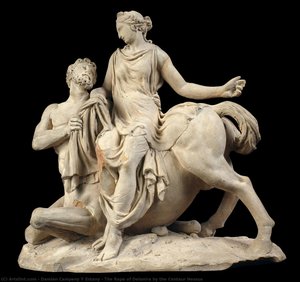
damián campeny y estany
1771 - 1855
Kratke činjenice
- Artistic Movement Or Style: Neoclassicism
- Artists Or Movements Influenced By This Artist: ['European Baroque art']
- Artists Who Influenced This Artist: ['Italian sculptors']
- Date Of Birth: 1771
- Date Of Death: 1855
- Full Name: Damià Campeny i Estrany
- Nationality: Spanish
- Notable Artworks:
- Death of Cleopatra
- Rape of Deianira
- Diana the Huntress
- Place Of Birth: Mataró, Spain