

 Pregledaj u prostoru
 Pošalji
 Podeli
 Detalji o delu

 Преузми
 Slični predmeti
 Rendgenski snimak
 Slajdovi
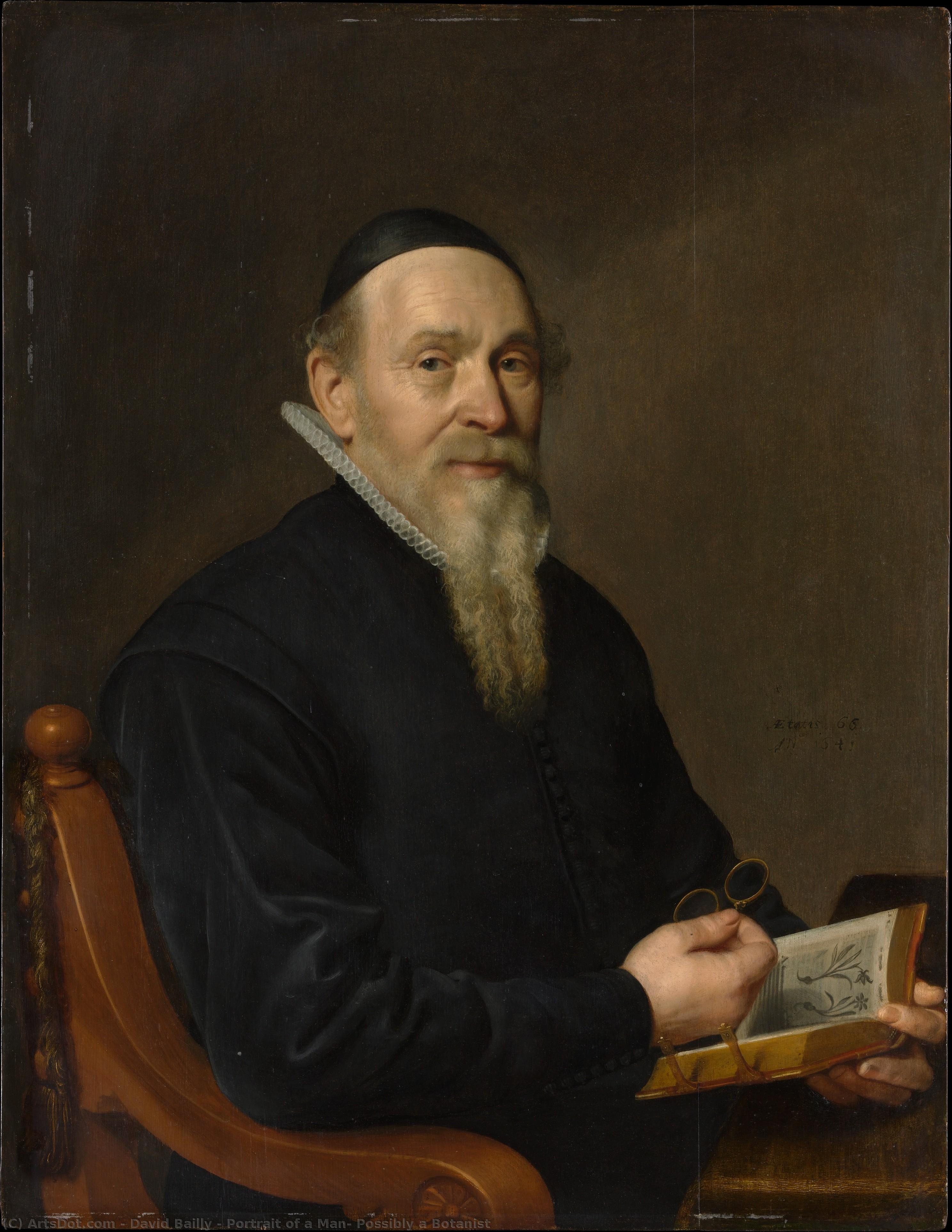
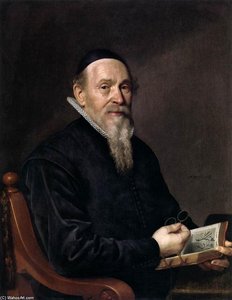
Portrait of a Man, Possibly a Botanist
 Oil
Oil- WallArt
- Dutch Golden Age
 1641
1641- Early Modern
 84.0 x 62.0 cm
 Metropolitan Museum of Art
 Pročitaj više
Ručno rađena uljana reprodukcija
Ručno oslikano uljanim bojama na platnu u dimenzijama i okviru po vašem izboru, izrađeno po porudžbini od strane naših umetnika. ( Kupi print Kupi digitalnu sliku)




P118B $10

P118H $10

P118W $10

P438Z $10

P508JH $12

P508YH $12

P805H $10

P805Z $10

P919BZ $10

P919G $10

P919XJ $10

P959ZH $10

P968JZ $12

W106C $8

W218G $10

W218JH $8

W218Y $10

W307PJ $10

W316G $10

W316PJ $8

W316Y $10

W398PJ $8

W4111J $10

W500HY $15

W500JH $15

W692G $12

W849H $8

W940BG $15

W953PJ $8




Izaberite jednu od naših unapred definisanih veličina koje odgovaraju originalnim proporcijama umetničkog dela.

Можете унети сопствене димензије како бисте прилагодили дело одређеном оквиру или простору. Ако одабрана величина не одговара пропорцијама оригинала, слика ће бити исечена или проширена додатним елементима који се ручно насликавају. Дигитални prikaz ће вам бити послат на одобрење пре почетка производње.
Имајте на уму да преглед на екрану не одражава стварно исецање или проширење. Само приказ (mockup) ће тачно приказати коначну композицију.
Иако су доступне прилагођене величине, препоручујемо да одаберете димензију из дефинисане листе како бисте сачували оригиналне пропорције.
Nakon narudžbine, tim ArtsDot.com će klijentu putem e-pošte poslati uputstva i dostaviti prikaz predloženog rešenja
Isporuka širom sveta () za 3/4 nedelje umesto uobičajenih 5 nedelja. (29 август). Bez kompromisa po pitanju kvaliteta.

Besplatna ekspresna dostava širom sveta

Visokokvalitetno laneno platno

Kompletno osiguranje transporta

Garancija povraćaja carine i uvoznih dažbina

Garancija vernosti boja

Politika povrata u roku od 60 dana (samo u slučaju nedostataka)

Garancija povrata novca od 100%

Popust pri grupnoj kupovini
 Opcija sa staklom dostupna je samo za dimenzije manje od 110 cm

Portrait of a Man, Possibly a Botanist
Tehnika reprodukcije
Dimenzije reprodukcije
-


Konačna cena
$ 263
A Window into Leiden’s Golden Age
In the heart of the Dutch Golden Age, a period defined by unparalleled intellectual fervor and artistic brilliance, David Bailly captured more than just a likeness; he captured an era. His 1641 masterpiece, Portrait of a Man, Possibly a Botanist, serves as a profound window into the scholarly soul of Leiden. This captivating oil painting invites viewers to step back into a time when the pursuit of knowledge was a sacred endeavor. The sitter, an elderly gentleman with a gaze that suggests deep contemplation, sits enveloped in the quiet dignity of his station. Through Bailly’s masterful hand, we encounter a man whose very presence resonates with the weight of wisdom and the curiosity of a scientific mind.
The painting is a triumph of chiaroscuro, where the dramatic interplay between light and shadow breathes life into the composition. Soft, directional light sculpts the contours of the man’s weathered face and the heavy folds of his dark attire, creating a sense of three-dimensional presence that feels almost tactile. This technique does more than provide depth; it creates an atmosphere of intimacy and reverence, drawing the observer into the private, silent world of the scholar. The smooth, purposeful brushstrokes characteristic of Bailly’s mature style lend a luminous quality to the pigments, ensuring that even the darkest shadows possess a subtle, inner glow.
Symbolism and the Language of Discovery
Beyond the mere depiction of a person, the work is rich with the symbolic language of the seventeenth-century scientific revolution. The man holds an open book, a deliberate gesture that serves as the focal point of his identity. Within its pages, Bailly has meticulously rendered two detailed depictions of narcissus flowers. This subtle inclusion is far from accidental; it acts as a botanical signature, suggesting the sitter’s devotion to the study of nature. In this era, botany was not merely a hobby but a vital branch of scientific inquiry, and the presence of these delicate blooms transforms the portrait into a tribute to the observant eye.
The composition itself speaks to the stability and intellectual rigor of the period. The seated posture, the heavy furniture, and the scholarly props all contribute to a narrative of permanence and established truth. For the modern collector or interior designer, this painting offers a profound emotional anchor. It brings a sense of historical gravity and quiet sophistication to any space, making it an ideal centerpiece for a library, study, or a curated gallery wall where themes of heritage and intellect are celebrated.
An Enduring Legacy for the Discerning Collector
To possess a reproduction of this caliber is to invite the spirit of the Dutch masters into one's home. David Bailly’s ability to merge the precision of scientific observation with the emotional depth of portraiture makes this work a timeless treasure. Whether you are drawn to the intricate textures of the man's clothing, the delicate botanical details, or the evocative mood of the Golden Age, this painting offers an unparalleled opportunity for aesthetic enrichment.
For those seeking to inspire guests or create a sanctuary of thought, this artwork stands as a testament to the enduring power of art to bridge the centuries. It is not merely a decoration, but a conversation piece that celebrates the human thirst for understanding and the eternal beauty found in the natural world.
Srodna umetnička dela


Biografija umetnika
David Bailly: A Life in Dutch Golden Age Art
Early Life and Training (1584-1608)
- Birth and Family: David Bailly was born in Leiden, Netherlands, in 1584. His father, Peter Bailly, was a Flemish immigrant who worked as a calligrapher and fencing master.
- Early Artistic Education: He initially received drawing instruction from his father and the copper engraver Jacques de Gheyn. This foundational training instilled in him a strong draftsmanship.
- Apprenticeships: Bailly further honed his skills through apprenticeships with Adriaan Verburg, a surgeon-painter in Leiden, and Cornelius van der Voort, a portrait painter in Amsterdam. These experiences exposed him to different artistic techniques and subject matter.
The Grand Tour and Early Career (1608-1613)
- Continental Travels: In the winter of 1608, Bailly embarked on a ‘Grand Tour,’ traveling through Frankfurt, Nuremberg, Augsburg, Hamburg, Tyrol, and Venice before reaching Rome. This journey was crucial for his artistic development.
- Italian Influence: He spent five months in Venice working as a journeyman, absorbing the influences of Italian Renaissance and Venetian art. His return voyage included commissions from German princes, including the Duke of Brunswick.
Artistic Development and Style (1613-1657)
- Diverse Subject Matter: Upon returning to the Netherlands in 1613, Bailly began painting a variety of subjects, including still lifes and portraits. He became known for his self-portraits and depictions of students and professors at the University of Leiden.
- Vanitas Paintings: A significant portion of his oeuvre consists of *vanitas* paintings – symbolic works that reflect on the transience of life, often featuring flowers, candles, and other ephemeral objects. These paintings demonstrate a philosophical depth alongside artistic skill.
- Portraiture Style: His portrait style is characterized by realism and attention to detail, capturing the likenesses and personalities of his sitters with sensitivity.
Major Achievements and Guild Membership
- Guild Leadership: In 1648, Bailly was elected headman of the Leiden Guild of St. Luke, a testament to his standing within the artistic community.
- Teaching Legacy: He served as a teacher and mentor to his nephews, Harmen and Pieter Steenwijck, passing on his knowledge and skills to the next generation.
Influences and Historical Significance
- Artistic Influences: Bailly was influenced by the Italian masters he encountered during his Grand Tour, as well as by Dutch predecessors in portraiture and still life painting.
- Impact on Dutch Art: He contributed to the flourishing of art during the Dutch Golden Age, particularly through his insightful *vanitas* paintings that reflected the era’s preoccupation with mortality and spirituality.
- Legacy: While not as widely recognized today as some of his contemporaries, David Bailly remains an important figure in the history of Dutch art, representing a blend of technical skill, intellectual depth, and artistic innovation.
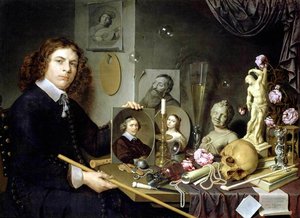
David Bailly
1584 - 1657 , Netherlands
Osnovne informacije
- Birth Date: 1584
- Birth Place: Leiden, Netherlands
- Death Date: 1657
- Influenced:
- Harmen Steenwijck
- Pieter Steenwijck
- Influenced By:
- Adriaan Verburg
- Cornelius van der Voort
- Jacques de Gheyn
- Movement: Dutch Golden Age painting
- Name: David Bailly
- Nationality: Dutch
- Notable Works:
- Self-Portrait with Vanitas Symbols
- Portrait of Anthony de Wale
Povezani članci

Zlatno doba Holandske umetnosti: Top 10 remek dela za vaš dom
Otkrijte remek dela Holandskog zlatnog doba! Uronite u svet Rembrandta, Vermeera i drugih majstora. 10 ikoničnih slika koje su definisale umetnost. Inspiracija za vaš dom i kolekciju - ekskluzivne reprodukcije na ArtsDot.com!

Golden Age Reflections: Dutch Baroque Painting & Cultural Innovation
Explore the Dutch Golden Age of painting! Discover key artists like Vermeer & ter Borch, their innovative techniques, and the rich cultural context behind these Baroque masterpieces. Learn about collecting & appreciating this iconic art period.

Illuminating Innovation: Exploring the Dutch Golden Age of Painting
Explore the Dutch Golden Age of painting with ArtsDot. Discover Rembrandt, Vermeer & other Masters. Learn about key characteristics, iconic artworks, and lasting influence. Expert insights for collectors & enthusiasts.

Illuminating Realism: Exploring the Dutch Golden Age of Painting (1600-1700)
Explore the Dutch Golden Age of painting (1600-1700) with ArtsDot. Discover Rembrandt, Vermeer & other masters. Learn about techniques, history & find museum-quality reproductions.
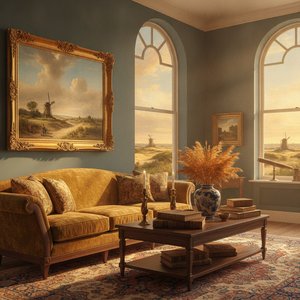
Golden Light & Dutch Skies: Bringing the Magic of Dutch Golden Age Landscapes into Your Home
Transform your home with the breathtaking light of Dutch Golden Age landscapes. Discover how hand-painted oil reproductions of masterworks like Ruisdael and Vermeer bring timeless elegance, atmosphere, and soulful texture to modern interiors. Elevate your space with museum-quality art.

