

 Pošalji
 Podeli
 Detalji o delu

 Преузми
 Slični predmeti
 Slajdovi
 Statistika
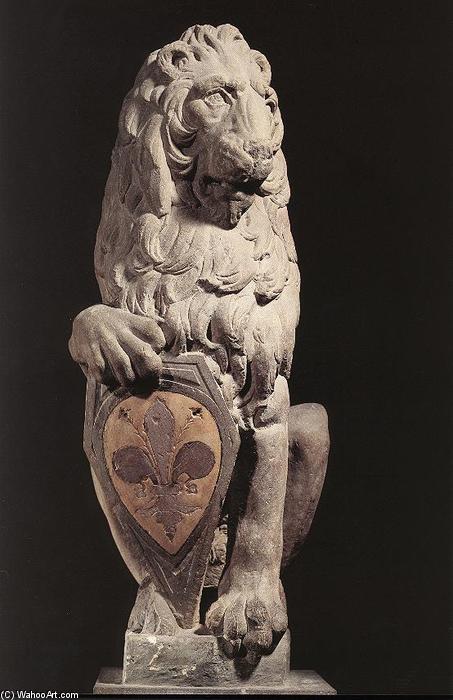
Marzocco


 Pročitaj više
Ručno rađena uljana reprodukcija
Ručno oslikano uljanim bojama na platnu u dimenzijama i okviru po vašem izboru, izrađeno po porudžbini od strane naših umetnika. ( Pređi na štampu Pređi na digitalnu sliku)




































Izaberite jednu od naših unapred definisanih veličina koje odgovaraju originalnim proporcijama umetničkog dela.

Можете унети сопствене димензије како бисте прилагодили дело одређеном оквиру или простору. Ако одабрана величина не одговара пропорцијама оригинала, слика ће бити исечена или проширена додатним елементима који се ручно насликавају. Дигитални prikaz ће вам бити послат на одобрење пре почетка производње.
Имајте на уму да преглед на екрану не одражава стварно исецање или проширење. Само приказ (mockup) ће тачно приказати коначну композицију.
Иако су доступне прилагођене величине, препоручујемо да одаберете димензију из дефинисане листе како бисте сачували оригиналне пропорције.
Nakon narudžbine, tim ArtsDot.com će klijentu putem e-pošte poslati uputstva i dostaviti prikaz predloženog rešenja
Isporuka širom sveta () za 3/4 nedelje umesto uobičajenih 5 nedelja. (11 септембар). Bez kompromisa po pitanju kvaliteta.

Besplatna ekspresna dostava širom sveta

Visokokvalitetno laneno platno

Kompletno osiguranje transporta

Garancija povraćaja carine i uvoznih dažbina

Garancija vernosti boja

Politika povraćaja u roku od 100 dana (isključivo u slučaju nedostataka)

Garancija povrata novca od 100%

Popust pri grupnoj kupovini
 Opcija sa staklom dostupna je samo za dimenzije manje od 110 cm

Marzocco
Tehnika reprodukcije
Dimenzije reprodukcije
-


Konačna cena
$ 263
The Spirit of Florence Captured in Stone
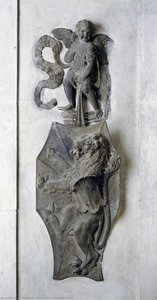
In the heart of the Renaissance, amidst the political tremors and cultural rebirth of 15th-century Florence, Donatello breathed life into stone to create one of the city's most enduring icons. The Marzocco is not merely a sculpture of a lion; it is a profound embodiment of Florentine resilience and civic pride. Created around 1418–1420, this masterpiece emerged during a period of intense transition, as the city navigated the complexities of papal influence and local ambition. Through the Marzocco, Donatello captured the very essence of a republic standing defiant, transforming a heraldic symbol into a monumental presence that commands respect and evokes a sense of timeless strength.
The sculpture depicts the legendary heraldic lion of Florence, seated with a majestic and watchful dignity. As one gazes upon the work, the lion’s head is turned slightly, its eyes meeting the viewer in a direct, soulful connection that bridges the centuries. In front of this powerful beast lies a shield adorned with the fleur-de-lis, the unmistakable emblem of Florence. This composition does more than showcase an animal; it presents a guardian. The lion’s muscular build and steady posture suggest a sentinel ever-vigilant over the city's liberties, making the piece an ideal focal point for those who appreciate art that conveys authority, stability, and historical depth.
Mastery of Form and Renaissance Realism
Donatello’s technical brilliance is on full display in the meticulous treatment of the pietra serena, the fine-grained gray sandstone characteristic of Florentine architecture. Departing from the delicate, often ornamental International Gothic style, Donatello embraced a burgeoning classical realism. He utilized painstaking carving and polishing techniques to achieve a surface so smooth it seems to possess a tactile warmth. Every detail has been considered with an artist's devotion to anatomical accuracy; the lion’s mane is rendered with such precision that individual strands of hair appear to catch the light, creating a rhythmic texture that contrasts beautifully with the lion's powerful, rounded musculature.
The interplay of light and shadow across the sculpture’s surface adds a dramatic, sculptural dimension that is particularly striking in high-quality reproductions. The way the shadows settle into the deep grooves of the mane and the contours of the shield provides a sense of three-dimensional weight and permanence. For the discerning collector or interior designer, this work offers a sophisticated aesthetic balance—the rugged strength of the stone paired with the refined elegance of Renaissance craftsmanship. It is a piece that brings an atmosphere of classical intellect and enduring grace to any curated space.
A Timeless Legacy for the Modern Collector
To possess a reproduction of the Marzocco is to invite a piece of the Florentine soul into one's environment. Beyond its historical significance, the sculpture serves as a powerful decorative element that transcends mere ornamentation. Its neutral, earthy tones and classical silhouette allow it to integrate seamlessly into diverse interior styles, from the grandeur of traditional libraries to the minimalist sophistication of modern galleries. It acts as a conversation piece, sparking discussions about the dawn of the Renaissance and the enduring human desire for identity and strength.
Whether you are an art historian captivated by Donatello's revolutionary approach or a designer seeking to infuse a room with historical gravitas, the Marzocco offers unparalleled inspiration. It remains a testament to the moment when art moved away from the stylized and toward the human, capturing a spirit of triumph that continues to resonate in the modern world. Owning this imagery is an homage to the enduring power of beauty, resilience, and the masterful hand of a true Renaissance master.
Srodna umetnička dela
Biografija umetnika
rani život i karijera
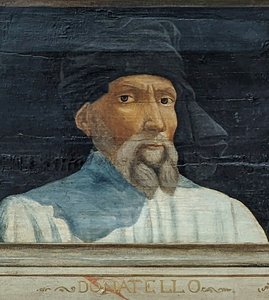
Donato di Niccolò di Betto Bardi, širom sveta poznat kao Donatello, rođen je u Firenci, u Italiji, oko 1386. godine. Njegovo proučavanje klasične skulpture duboko je oblikovalo razvoj njegovog autentičnog stila ranog renesansa, donoseći novu viziju umetnosti i kulture koja će vremenom postati sam obeležje firentinske renesanse.ključna dela i inovacije
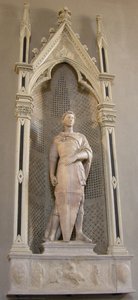
Donatellovo najslavnije delo, David, predstavlja prvu slobodnostostoctanu mušku nagu skulpturu još od antičkog doba. Ovaj rad, koji je naručila moćna porodica Mediči, postavio je nove standarde prikazujući njegov inovativni stil i vrhunsku tehničku veštinu. Među drugim značajnim remek-delima izdvajaju se:- Sveti Luis Tuluški (sada u muzeju bazilike Santa Croce), koji krasi klasični okvir koji je sam Donatello dizajnirao.
- Žrtvovanje Isaka, stvoreno za zvonik Santa Maria del Fiore u Firenci, odlikovano snažnim portretnim detaljima.
- Krast (1425) za Santa Croce, koji je prikazao Hrista u trenutku neizmerne patnje.
umetnički stil i nasleđe
Donatellov umetnički put može se podeliti na šire faze, počevši od razvoja izražajnosti do klasične monumentalnosti. Iako njegovo delo u početku nije odmah prihvaćeno od strane zajednice, ono je vremenom postalo najpopularnije, snažno utičući na druge italijanske dvore i evropske umetnike. ključni umetnički pokreti:privatni život i način rada
Donatello je bio poznat kao ljubazan i voljen čovek, ali je pokazivao nedostatke u poslovnom delu svoje karijere. Često je prihvatao više porudžbina nego što je mogao da obradi, zbog čega su dela često kasnila ili su mu ih drugi vajari prepuštali da završe. značajna umetnička dela i umetnici:- Leonardo da Vinci: Javisanje (detalj)
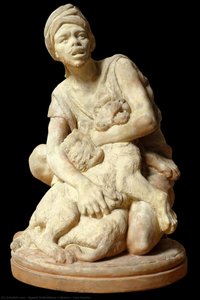
- Amico Aspertini: Statua Pana / Lav koji grize konja
- Michelangelo Buonarroti: Tondo Pitt
muzeji i umetničke kolekcije:
- Museo della Collegiata (Empoli, Italija): skriveni dragulj renesanse, koji čuva dela umetnika kao što su Francesco Botticini i Raffaello Botticini.
- pokret rane italijanske renesanse
Donato
1386 - 1466 , Italija
Osnovne informacije
- Artistic Movement Or Style: Rana renesansa
- Artists Or Movements Influenced By This Artist:
- Italijanska renesansa
- Rana renesansa
- Firentinska renesansa
- Artists Who Influenced This Artist: ['Klasična skulptura']
- Date Of Birth: oko 1386.
- Date Of Death: 1466.
- Full Name: Donatelo di Nikolo
- Nationality: Italijan
- Notable Artworks:
- David
- Sveti Luis iz Tuluze
- Isakov žrtvovanje
- Razapinje
- Place Of Birth: Firenca, Italija
Povezani članci

Bronze Age to Modern Masters: 10 Sculptures That Redefined Art | ArtsDot
Journey through art history with 10 legendary bronze sculptures – from Michelangelo's David to Rodin’s Thinker. Explore the stories, techniques & timeless beauty of these masterpieces. Find museum-quality reproductions & elevate your home decor on ArtsDot.com.

The Enduring Form: Sculpture Across History, Technique & Emotional Resonance
Explore the rich history of sculpture with ArtsDot. Discover key techniques, influential artists & investment potential for discerning collectors. Expert insights into valuing and collecting timeless masterpieces.

The Enduring Form: Exploring Themes & Techniques in Sculpture Across Historical Periods
Explore the rich history of sculpture from ancient masterpieces to contemporary innovations. Discover key techniques, influential artists & investment potential for discerning art collectors.

Bronze Sculptures That Defined Art History | ArtsDot
Journey through art history with our Top 10 bronze sculptures! Explore masterpieces by Rodin, Michelangelo & more. Discover stories behind iconic statues and find museum-quality reproductions for your home decor at ArtsDot.com.
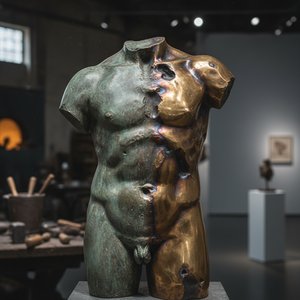
Nasleđe bronze: Istorija, tehnike i savremene interpretacije skulpture – vodič za kolekcionare
Istražite bogatu istoriju bronze i tehnike livenja skulptura. Saveti za kolekcionare, investiciono vrednovanje i savremene interpretacije aluminijumske bronze. ArtsDot – stručnjaci za umetnost.