

 Pošalji
 Podeli
 Detalji o delu

 Преузми
 Slični predmeti
 Slajdovi
 Statistika
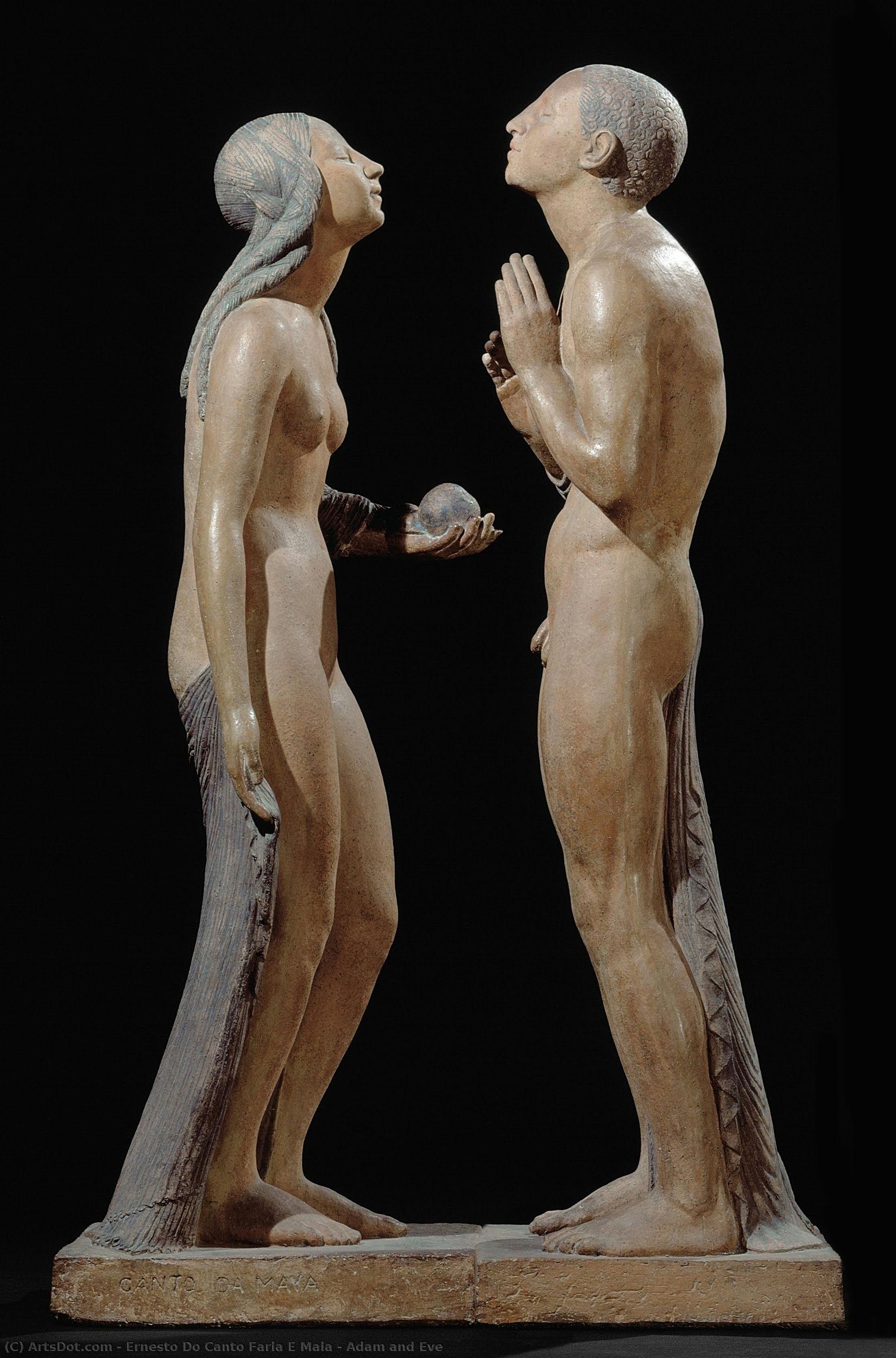
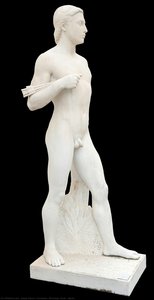
Adam and Eve
 Terracotta
- Art Deco
 1929
1929 159.0 x 54.0 cm
 Nacionalni muzej savremene umetnosti - Museu do Chiado
 Pročitaj više
Ručno rađena uljana reprodukcija
Ručno oslikano uljanim bojama na platnu u dimenzijama i okviru po vašem izboru, izrađeno po porudžbini od strane naših umetnika. ( Pređi na štampu Pređi na digitalnu sliku)




































Izaberite jednu od naših unapred definisanih veličina koje odgovaraju originalnim proporcijama umetničkog dela.

Можете унети сопствене димензије како бисте прилагодили дело одређеном оквиру или простору. Ако одабрана величина не одговара пропорцијама оригинала, слика ће бити исечена или проширена додатним елементима који се ручно насликавају. Дигитални prikaz ће вам бити послат на одобрење пре почетка производње.
Имајте на уму да преглед на екрану не одражава стварно исецање или проширење. Само приказ (mockup) ће тачно приказати коначну композицију.
Иако су доступне прилагођене величине, препоручујемо да одаберете димензију из дефинисане листе како бисте сачували оригиналне пропорције.
Nakon narudžbine, tim ArtsDot.com će klijentu putem e-pošte poslati uputstva i dostaviti prikaz predloženog rešenja
Isporuka širom sveta () za 3/4 nedelje umesto uobičajenih 5 nedelja. (9 септембар). Bez kompromisa po pitanju kvaliteta.

Besplatna ekspresna dostava širom sveta

Visokokvalitetno laneno platno

Kompletno osiguranje transporta

Garancija povraćaja carine i uvoznih dažbina

Garancija vernosti boja

Politika povraćaja u roku od 100 dana (isključivo u slučaju nedostataka)

Garancija povrata novca od 100%

Popust pri grupnoj kupovini
 Opcija sa staklom dostupna je samo za dimenzije manje od 110 cm

Adam and Eve
Tehnika reprodukcije
Dimenzije reprodukcije
-


Konačna cena
$ 263
Srodna umetnička dela

Biografija umetnika
The Sculptural Legacy of Ernesto Canto da Maia
In the vibrant tapestry of twentieth-century European modernism, few figures embody the transition from classical sensitivity to the bold geometries of the Art Deco era as gracefully as Ernesto do Canto Faria e Maia. Born in 1890 in the serene landscapes of Porto Santo, Portugal, his artistic journey was one of profound movement and geographical breadth. Though his roots were deeply embedded in the Portuguese tradition, his creative spirit wandered between the lush landscapes of the Azores, the intellectual pulse of Lisbon, and the avant-garde epicenter of Paris. This cosmopolitan upbringing allowed him to absorb the shifting currents of European aesthetics, blending a delicate, emotive touch with the emerging structural rigor that would define his most celebrated periods.
The evolution of Canto da Maia’s style reflects the turbulent yet transformative history of the early twentieth century. During the interwar years, he became a prominent voice within the first generation of Portuguese modernists, navigating an era where the elegance of Art Deco began to reshape the visual language of the continent. His work during this time was characterized by a unique ability to balance symbolic depth with formal clarity. As his career progressed into the 1930s, however, his artistic trajectory encountered the complex political landscape of the Estado Novo regime. This period saw him undertaking significant national commissions, where his hand moved toward large-scale, monumental sculptures designed to evoke a sense of heroic history and national identity.
Mastery of Form and Symbolic Depth
Canto da Maia’s mastery lay in his ability to breathe life into static medium, whether through the subtle nuances of a portrait or the imposing presence of a public monument. His repertoire was remarkably diverse, ranging from intimate studies of the human form to grand, commemorative works. One of his most profound achievements is the series known as The Chosen Ones, a collection of twelve pieces that showcases his capacity for narrative and spiritual resonance. This work, now preserved within the prestigious Centro de Arte Moderna Gulbenkian in Lisbon, serves as a testament to his ability to capture the human condition through a modernist lens.
Beyond his monumental efforts, his smaller-scale works, such as his evocative Study of Head, reveal a sculptor deeply attuned to the psychological weight of his subjects. His technique often bridged the gap between the organic and the stylized, a hallmark of the transition from late Symbolism to the streamlined aesthetics of modernism. This duality allowed him to remain relevant across decades of shifting tastes, maintaining a sense of poetic intimacy even when working on a grand, civic scale.
Historical Significance and Enduring Influence
The historical importance of Ernesto Canto da Maia extends far beyond the borders of Portugal. His presence in the international art scene, particularly through his time in Paris, helped integrate Portuguese modernism into the broader European dialogue. The enduring value of his contribution is evidenced by the placement of his works in some of the world's most esteemed institutions:
- Centro de Arte Moderna Gulbenkian (Lisbon, Portugal)
- Soares dos Reis National Museum (Porto, Portugal)
- The Government Art Collection (London, United Kingdom)
As a pioneer of the first generation of Portuguese modernists, Canto da Maia left an indelible mark on the sculptural landscape. His ability to navigate the delicate balance between personal artistic expression and the demands of national commemoration makes him a pivotal figure in understanding the complexities of twentieth-century art. Today, his legacy continues to inspire scholars and art lovers alike, standing as a bridge between the classical traditions of the past and the bold, structural innovations of the modern age.

ernesto do canto faria e maia
1890 - 1981 , Portugal
Osnovne informacije
- Artistic Movement Or Style: Modernist Art Deco
- Artists Who Influenced This Artist:
- Amadeo de Souza Cardoso
- Jorge Nicholson Moore Barradas
- Date Of Birth: 1890
- Date Of Death: 1981
- Full Name: Ernesto do Canto Faria e Maia
- Nationality: Portuguese
- Notable Artworks:
- Study of Head
- Chosen Ones Series
- Place Of Birth: Ponta Delgada, Portugal
Povezani članci

The Enduring Form: Sculpture Across History, Technique & Emotional Resonance
Explore the rich history of sculpture with ArtsDot. Discover key techniques, influential artists & investment potential for discerning collectors. Expert insights into valuing and collecting timeless masterpieces.

Bronze Age to Modern Masters: 10 Sculptures That Redefined Art | ArtsDot
Journey through art history with 10 legendary bronze sculptures – from Michelangelo's David to Rodin’s Thinker. Explore the stories, techniques & timeless beauty of these masterpieces. Find museum-quality reproductions & elevate your home decor on ArtsDot.com.

Bronze Sculptures That Defined Art History | ArtsDot
Journey through art history with our Top 10 bronze sculptures! Explore masterpieces by Rodin, Michelangelo & more. Discover stories behind iconic statues and find museum-quality reproductions for your home decor at ArtsDot.com.

The Enduring Form: Exploring Themes & Techniques in Sculpture Across Historical Periods
Explore the rich history of sculpture from ancient masterpieces to contemporary innovations. Discover key techniques, influential artists & investment potential for discerning art collectors.
Paul Manship: Reassessing the Master of American Art Deco Sculpture
Explore the captivating world of Paul Manship, a leading figure in American Art Deco sculpture. Discover his iconic works like Prometheus, influence on modernism, and investment potential. Expert insights for collectors.