

 Pošalji
 Podeli
 Detalji o delu

 Преузми
 Slični predmeti
 Slajdovi
 Statistika
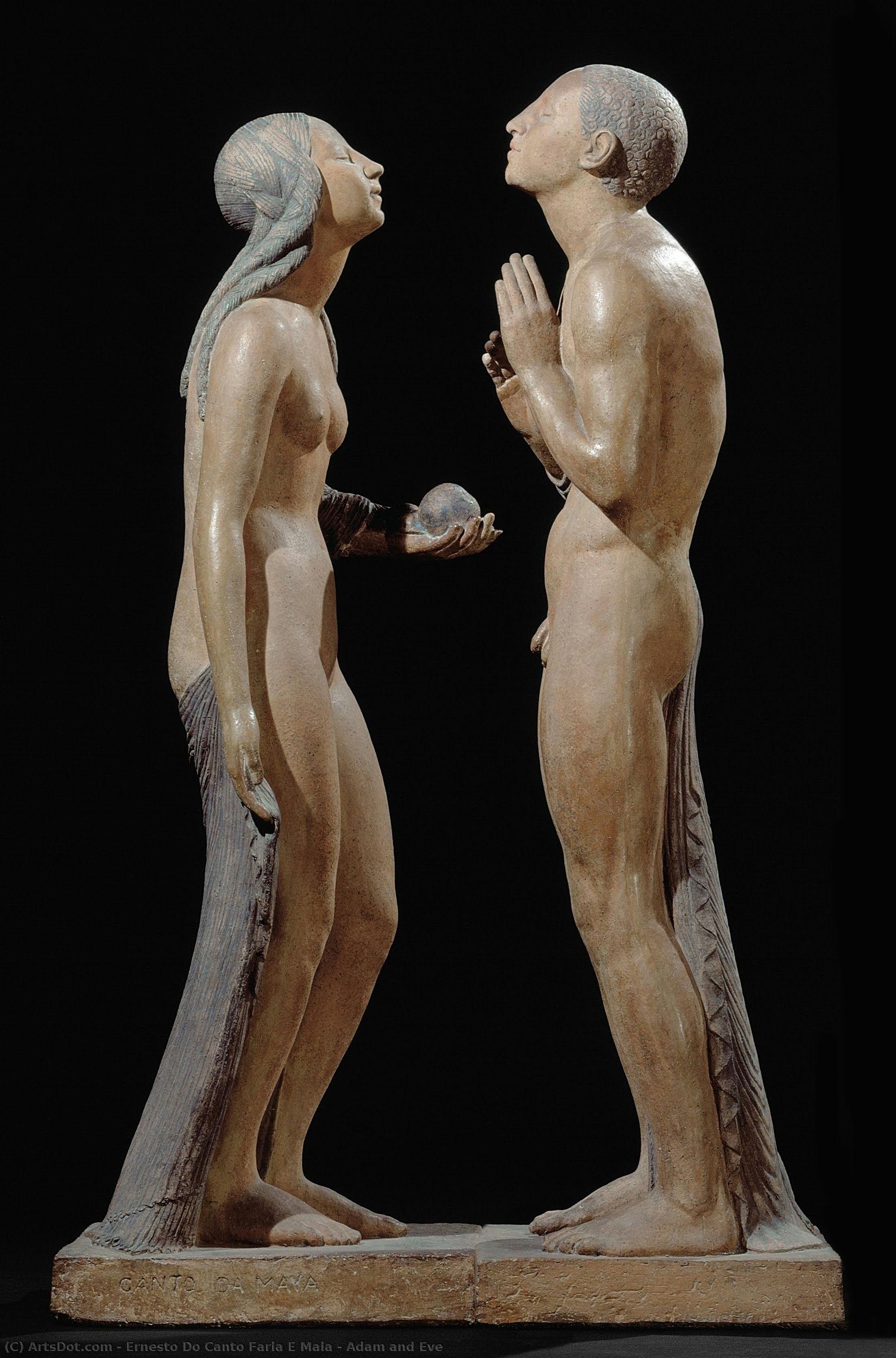
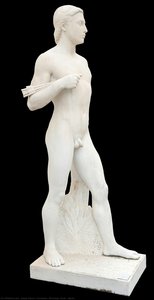
Adam and Eve
 Terracotta
- Art Deco
 1929
1929 159.0 x 54.0 cm
 Nacionalni muzej savremene umetnosti - Museu do Chiado
 Pročitaj više
Kupite digitalnu sliku visoke rezolucije i poboljšanog kvaliteta, koja je znatno superiornija od onoga što vidite u online prikazu.
Svaka datoteka je pedantno pripremljena od strane naših stručnjaka koristeći napredne alate i profesionalnu ručnu retušu. Osiguravamo da svaka slika ima izuzetnu oštrinu, preciznu reprodukciju boja i fine detalje.
Konačna datoteka se dostavlja putem e-pošte u roku od 72 sata, optimizovana za neposrednu upotrebu u profesionalnim, izdavačkim i štamparskim okruženjima. To je isti kvalitet kojem veruju vrhunski studiji dizajna, izdavači i galerije.
Digitalna slika
Preuzmite datoteku visoke rezolucije za ličnu upotrebu, štampanje i kreativne projekte. ( Pređi na štampu Kupi ručno naslikanu sliku)
Uključeno uz svaku porudžbinu digitalne slike
Profesionalna digitalna isporuka, zagarantovana
Kada odaberete ArtsDot.com, ne dobijate samo sliku – vi primate profesionalno unapređeno digitalno umetničko delo, izrađeno sa najvećom preciznošću i uz garanciju zadovoljstva. Evo svega što automatski dolazi uz vašu porudžbinu:

Brza dostava putem e-pošte
Vaša digitalna slika visoke rezolucije biće vam poslata putem e-pošte u roku od 72 sata od poručivanja – spremna za trenutnu upotrebu.

Digitalna datoteka unapređena veštačkom inteligencijom
Vaše umetničko delo je profesionalno optimizovano korišćenjem naprednih AI alata i ručne obrade, čime se osiguravaju maksimalni detalji, oštrina i preciznost boja.

Besplatna ponovna isporuka doživotno
Slučajno ste obrisali ili izgubili svoju datoteku? Ne brinite – poslaćemo vam je ponovo u bilo kom trenutku, potpuno besplatno.

Bez troškova uvoza – zauvek
Uživajte u svojim umetničkim delima trenutno, bez carine, dažbina ili troškova dostave – digitalni download je uvek bez poreza.

Garancija vernosti boja
Uz pomoć profesionalnih alata i upravljanja bojama, osiguravamo da vaša digitalna slika što vernije odražava originalne boje.

Garancija zadovoljstva od 100 dana
Ako niste zadovoljni svojom digitalnom slikom, izvršićemo reviziju ili ćemo vam vratiti 100% novca u roku od 100 dana – bez ikakvih pitanja.

100% garancija povrata novca
Niste zadovoljni? Dobijte puni povraćaj novca u roku od 100 dana od prijema digitalne datoteke – bez suvišnih pitanja.

Popusti na velike porudžbine
Kupite 3 slike, uštedite 10% - Kupite 5 slika, uštedite 15% - Kupite 10+ slika, uštedite 20%. Odlično za kreativne projekte, galerije i agencije.
Srodna umetnička dela

Biografija umetnika
The Sculptural Legacy of Ernesto Canto da Maia
In the vibrant tapestry of twentieth-century European modernism, few figures embody the transition from classical sensitivity to the bold geometries of the Art Deco era as gracefully as Ernesto do Canto Faria e Maia. Born in 1890 in the serene landscapes of Porto Santo, Portugal, his artistic journey was one of profound movement and geographical breadth. Though his roots were deeply embedded in the Portuguese tradition, his creative spirit wandered between the lush landscapes of the Azores, the intellectual pulse of Lisbon, and the avant-garde epicenter of Paris. This cosmopolitan upbringing allowed him to absorb the shifting currents of European aesthetics, blending a delicate, emotive touch with the emerging structural rigor that would define his most celebrated periods.
The evolution of Canto da Maia’s style reflects the turbulent yet transformative history of the early twentieth century. During the interwar years, he became a prominent voice within the first generation of Portuguese modernists, navigating an era where the elegance of Art Deco began to reshape the visual language of the continent. His work during this time was characterized by a unique ability to balance symbolic depth with formal clarity. As his career progressed into the 1930s, however, his artistic trajectory encountered the complex political landscape of the Estado Novo regime. This period saw him undertaking significant national commissions, where his hand moved toward large-scale, monumental sculptures designed to evoke a sense of heroic history and national identity.
Mastery of Form and Symbolic Depth
Canto da Maia’s mastery lay in his ability to breathe life into static medium, whether through the subtle nuances of a portrait or the imposing presence of a public monument. His repertoire was remarkably diverse, ranging from intimate studies of the human form to grand, commemorative works. One of his most profound achievements is the series known as The Chosen Ones, a collection of twelve pieces that showcases his capacity for narrative and spiritual resonance. This work, now preserved within the prestigious Centro de Arte Moderna Gulbenkian in Lisbon, serves as a testament to his ability to capture the human condition through a modernist lens.
Beyond his monumental efforts, his smaller-scale works, such as his evocative Study of Head, reveal a sculptor deeply attuned to the psychological weight of his subjects. His technique often bridged the gap between the organic and the stylized, a hallmark of the transition from late Symbolism to the streamlined aesthetics of modernism. This duality allowed him to remain relevant across decades of shifting tastes, maintaining a sense of poetic intimacy even when working on a grand, civic scale.
Historical Significance and Enduring Influence
The historical importance of Ernesto Canto da Maia extends far beyond the borders of Portugal. His presence in the international art scene, particularly through his time in Paris, helped integrate Portuguese modernism into the broader European dialogue. The enduring value of his contribution is evidenced by the placement of his works in some of the world's most esteemed institutions:
- Centro de Arte Moderna Gulbenkian (Lisbon, Portugal)
- Soares dos Reis National Museum (Porto, Portugal)
- The Government Art Collection (London, United Kingdom)
As a pioneer of the first generation of Portuguese modernists, Canto da Maia left an indelible mark on the sculptural landscape. His ability to navigate the delicate balance between personal artistic expression and the demands of national commemoration makes him a pivotal figure in understanding the complexities of twentieth-century art. Today, his legacy continues to inspire scholars and art lovers alike, standing as a bridge between the classical traditions of the past and the bold, structural innovations of the modern age.

ernesto do canto faria e maia
1890 - 1981 , Portugal
Kratke činjenice
- Artistic Movement Or Style: Modernist Art Deco
- Artists Who Influenced This Artist:
- Amadeo de Souza Cardoso
- Jorge Nicholson Moore Barradas
- Date Of Birth: 1890
- Date Of Death: 1981
- Full Name: Ernesto do Canto Faria e Maia
- Nationality: Portuguese
- Notable Artworks:
- Study of Head
- Chosen Ones Series
- Place Of Birth: Ponta Delgada, Portugal