

 Pregledaj u prostoru
 Pošalji
 Podeli
 Detalji o delu

 Преузми
 Slični predmeti
 Rendgenski snimak
 Slajdovi
 Statistika
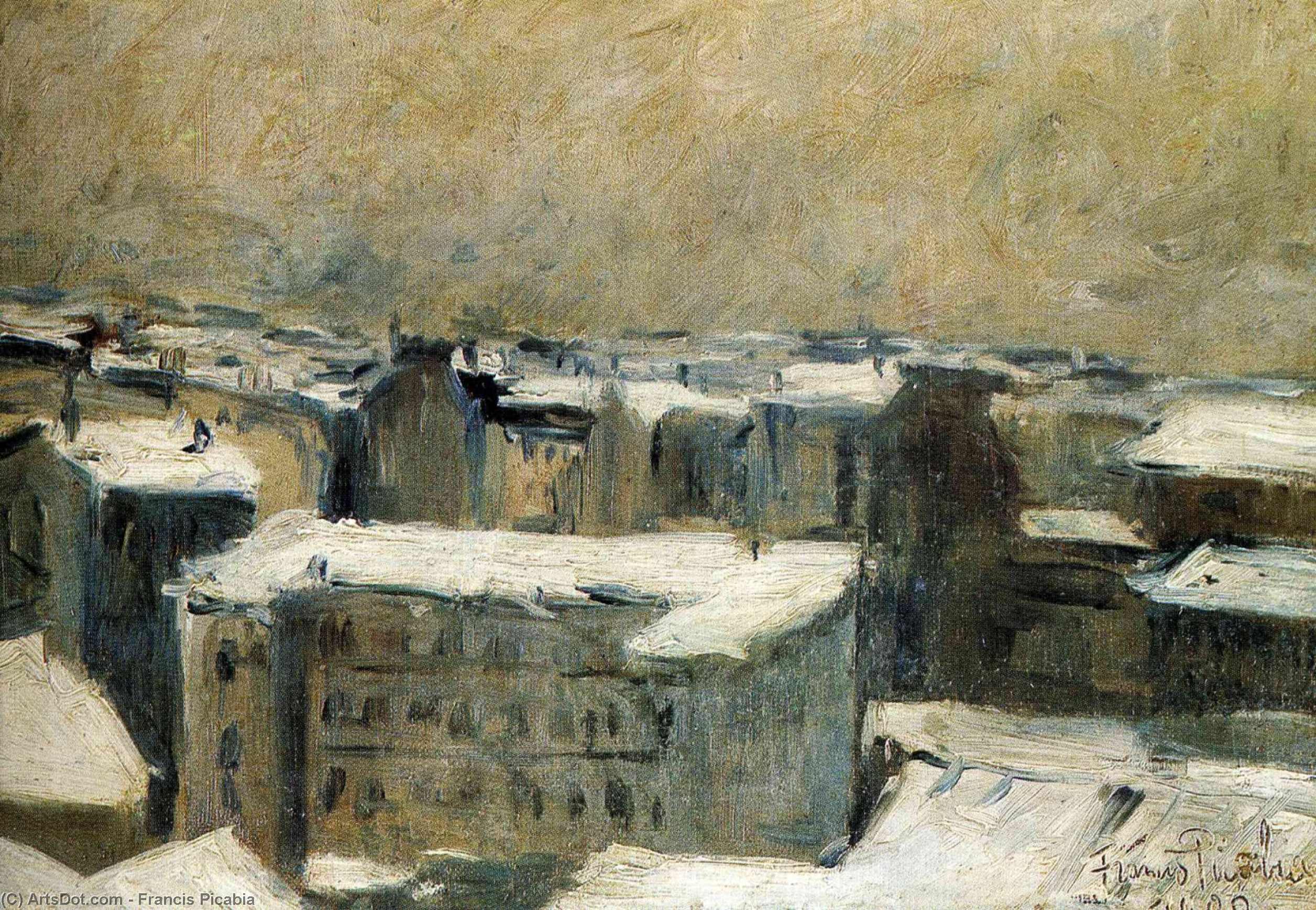
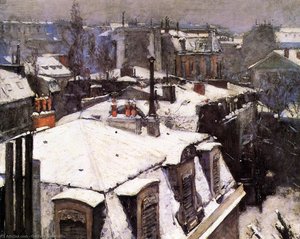
Roofs of Paris
 Oil On Canvas
- WallArt
- Dadaism
 1900
1900- Modern
 28.0 x 41.0 cm
 Pročitaj više
Giclee štampa / Umetnički otisak
Giclée štampa ili print na platnu muzejskog kvaliteta uz brzu proizvodnju i fleksibilne opcije završne obrade. ( Kupi ručno naslikanu sliku Pređi na digitalnu sliku)




P118B $10

P118H $10

P118W $10

P438Z $10

P508JH $12

P508YH $12

P805H $10

P805Z $10

P919BZ $10

P919G $10

P919XJ $10

P959ZH $10

P968JZ $12

W106C $8

W218G $10

W218JH $8

W218Y $10

W307PJ $10

W316G $10

W316PJ $8

W316Y $10

W398PJ $8

W4111J $10

W500HY $15

W500JH $15

W692G $12

W849H $8

W940BG $15

W953PJ $8




Izaberite jednu od naših unapred definisanih veličina koje odgovaraju originalnim proporcijama umetničkog dela.

Možete uneti sopstvene dimenzije kako biste umetničko delo prilagodili specifičnom okviru ili prostoru. Ako odabrani format ne odgovara proporcijama originalne slike, mi ćemo ili iscrtati deo dela ili proširiti sliku pomoću ogledane ivice ili jednobojnog popunjavanja. Digitalni prikaz će vam biti poslat na odobrenje pre početka proizvodnje.
Imajte na umu da pregled na ekranu ne odražava stvarno iscrtavanje ili proširivanje. Samo će prikaz (mockup) precizno pokazati finalnu kompoziciju.
Iako su prilagođene dimenzije dostupne, preporučujemo da odaberete dimenziju sa unapred definisane liste kako biste očuvali originalne proporcije.
Dostava širom sveta () za 2 nedelje umesto uobičajenih 4/5 nedelja. (9 септембар)

Besplatna ekspresna dostava širom sveta

Visokokvalitetno laneno platno

Kompletno osiguranje transporta

Garancija povraćaja carine i uvoznih dažbina

Garancija vernosti boja

Politika povraćaja u roku od 100 dana (isključivo u slučaju nedostataka)

Garancija povrata novca od 100%

Popust pri grupnoj kupovini
 Opcija sa staklom dostupna je samo za dimenzije manje od 110 cm

Roofs of Paris
Giclee štampa / Umetnički otisak
Dimenzije reprodukcije
-


Konačna cena
$ 62
A Winter's Hush in the Heart of France
In the quietude of a snow-dusted morning, Francis Picabia captures a moment of profound stillness in "Roofs of Paris." Created in 1900, this evocative oil on canvas invites the viewer to step into a world where the bustling energy of the French capital has been softened by a delicate layer of frost. The painting presents a breathtakingly serene cityscape, where the iconic architecture of Paris is draped in white, and the sky hangs heavy with an overcast, pearlescent light. As one gazes upon the scene, there is an immediate sense of tranquility; the coldness of the winter air is palpable, yet it is balanced by a poetic grace that transforms a simple urban landscape into a dreamlike sanctuary of peace.
The composition is masterfully orchestrated to guide the eye through the frozen streets. Amidst the blanketed rooftops, tiny figures are scattered like notes on a musical score, some wandering through the snowy lanes while others linger near the edges of buildings. This sense of human presence, though quiet and subdued, adds a layer of narrative depth, suggesting the shared experience of winter's embrace. Even the subtle inclusion of birds—one soaring through the misty sky and another perched silently upon a ledge—reinforces the theme of nature reclaiming the urban space in a moment of seasonal slumber.
The Mastery of Light and Early Avant-Garde Spirit
While Picabia would later become a legendary provocateur of the Dadaism movement, "Roofs of Paris" showcases his early command over atmosphere and texture. The technique is characterized by deliberate, expressive brushstrokes that lend a tactile quality to the snow and stone. Using a muted, sophisticated color palette, the artist avoids the jarring contrasts often found in later modernism, opting instead for a harmonious blend of greys, soft whites, and subtle earth tones. This approach creates a sense of depth and atmosphere that is reminiscent of the great masters, yet it possesses a unique, proto-modernist sensitivity to light and shadow.
For the discerning collector or interior designer, this piece offers more than just visual beauty; it provides an emotional anchor for a room. The painting’s ability to evoke both solitude and serenity makes it a versatile masterpiece for high-end decor. Whether placed in a contemporary gallery setting or a classic study, a high-quality reproduction of "Roofs of Paris" serves as a window into the turn of the century, bringing the timeless elegance of Parisian winters into the modern home. It is an investment in atmosphere, offering a permanent sense of calm and a sophisticated nod to the rich history of French art.
Srodna umetnička dela
Biografija umetnika
A Life Forged in Avant-Garde Fire: The World of Francis Picabia
Francis Picabia, a name synonymous with the restless spirit of early 20th-century art, was more than just a painter; he was a provocateur, a poet, a typographer, and a relentless explorer of artistic boundaries. Born in Paris in 1879 to a French mother and a Cuban father steeped in diplomatic circles, Picabia’s life was marked by both privilege and a profound dissatisfaction with convention. This duality fueled his artistic journey, propelling him through Cubism, Dada, Surrealism, and beyond, leaving an indelible mark on the landscape of modern art. His early years were shadowed by tragedy – the loss of his mother to tuberculosis when he was just five – but also nurtured by a father who encouraged his burgeoning talent. Inheriting a substantial fortune allowed Picabia the freedom to dedicate himself entirely to artistic pursuits, a luxury that enabled him to relentlessly experiment and challenge established norms. He wasn’t merely interested in *what* art looked like; he questioned its very purpose and meaning.
From Impressionistic Beginnings to Cubist Revolution
Picabia's initial forays into the art world were rooted in the prevailing styles of the time, particularly Impressionism. He painted Parisian landscapes and riverbanks with a technical proficiency that nonetheless left him feeling unfulfilled. Critics found his work derivative, lacking originality, prompting a crucial turning point. This dissatisfaction spurred him to seek new avenues of expression, leading him towards the revolutionary ideas brewing within the Cubist movement around 1909. Joining the Puteaux Group – a collective including Marcel Duchamp and Guillaume Apollinaire – proved pivotal. He immersed himself in the deconstruction of form, the fragmentation of perspective, and the exploration of geometric abstraction. This period saw a significant shift in his aesthetic, moving away from representational accuracy towards a more conceptual approach to painting. His canvases began to pulse with a new energy, reflecting the intellectual ferment of the era. The influence of Duchamp was particularly strong, fostering a shared spirit of iconoclasm and a willingness to dismantle artistic traditions.
Dada’s Provocateur: Machines, Satire, and the Rejection of Reason
The outbreak of World War I served as a catalyst for Picabia's most radical phase – his embrace of Dadaism. Disgusted by the senseless violence and societal hypocrisy he witnessed, he rejected reason, logic, and traditional artistic values altogether. A move to New York in 1915 placed him at the heart of an emerging American Dada scene alongside Duchamp and Man Ray. It was here that Picabia truly honed his unique brand of Dadaist expression. He began creating a series of “machine drawings,” depicting fantastical mechanical contraptions – often imbued with sexual undertones – that served as biting critiques of modern society’s obsession with technology and industrialization. These works weren't simply depictions of machines; they were allegories for the dehumanizing forces at play in the world around him. His satirical wit, combined with a masterful command of line and form, made these drawings particularly potent. He published *The Little Review*, a Dadaist journal that further disseminated his provocative ideas and challenged conventional artistic norms. Universal Prostitution, a complex drawing created during this period, exemplifies his willingness to confront taboo subjects and dismantle societal expectations.
A Shifting Kaleidoscope: Surrealism and Beyond
Picabia’s artistic journey was characterized by constant evolution and a refusal to be pigeonholed. While deeply involved with Dada, he briefly flirted with Surrealism in the 1920s, exploring the realm of dreams and the subconscious. However, even this association proved temporary. He quickly grew disillusioned with what he perceived as the rigid dogma of the Surrealist movement, preferring to maintain his independence and continue charting his own course. Throughout the latter part of his career, Picabia continued to experiment with various styles and techniques, incorporating elements of figuration, abstraction, and even transparency into his work. His later paintings often featured biomorphic forms and a vibrant palette, reflecting a renewed interest in organic shapes and sensual textures. He remained a restless innovator until his death in 1953, leaving behind a body of work that continues to challenge and inspire artists today.
Legacy: A Pioneer of Modern Artistic Freedom
Francis Picabia’s influence on modern art is undeniable. His relentless experimentation, his rejection of convention, and his willingness to embrace contradiction paved the way for generations of artists who followed. He was a true pioneer of artistic freedom, demonstrating that art could be anything – a political statement, a philosophical inquiry, a personal expression, or simply a playful exploration of form and color. His work anticipated many of the key developments in 20th-century art, from Pop Art to Conceptualism. He challenged the very definition of what constituted “art,” forcing viewers to question their own assumptions and preconceptions. Today, Picabia’s paintings are celebrated for their intellectual rigor, their visual dynamism, and their enduring relevance. His legacy lies not only in his individual masterpieces but also in his unwavering commitment to artistic innovation and his refusal to be bound by the limitations of tradition.
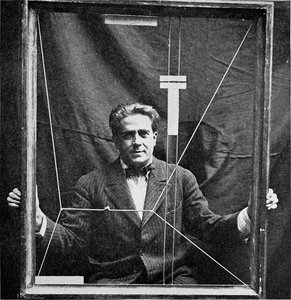
Францис Пикабаја
1879 - 1953 , Француска
Osnovne informacije
- Artistic Movement Or Style: Kubizam, Dada, Surrealizam
- Artists Or Movements Influenced By This Artist: ['Dada']
- Artists Who Influenced This Artist:
- Marcel Duchamp
- Alfred Sisley
- Date Of Birth: January 22, 1879
- Date Of Death: November 30, 1953
- Full Name: Francis Picabia
- Nationality: Francuski
- Notable Artworks: ['Universal Prostitution']
- Place Of Birth: Paris, France
Povezani članci
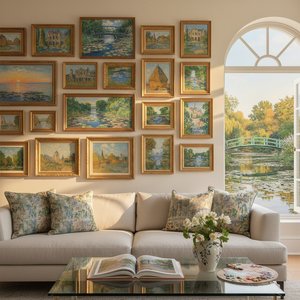
Claude Monet: 25 Remek-dela Impresionizma za Vaš Dom | ArtsDot
Uronite u svet Claudea Moneta sa 25 remek-dela impresionizma! Otkrijte priče iza poznatih slika, tehnike i inspiraciju. Reprodukcije vrhunskog kvaliteta za luksuzni dekor doma na ArtsDot.com.
The Subdued Resonance: Exploring Emotional Depth & Artistic Nuance within Muted Color Palettes
Explore the captivating world of muted colors in art & design! Discover historical context, psychological effects, techniques, and inspiration for creating serene spaces. Elevate your aesthetic with ArtsDot.
The Subdued Palette: Emotional Resonance & Aesthetic Impact of Muted Tones in Art
Explore the captivating world of muted tones in art! Discover Tonalism's history, Whistler’s influence & how subtle color palettes evoke emotion. Find serene landscapes and expert advice for integrating these timeless pieces into your home with ArtsDot.
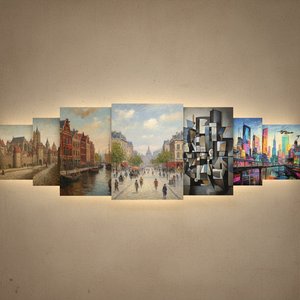
Urban Visions: A Historical & Artistic Exploration of the Cityscape in Painting
Explore the evolution of cityscape painting from historical maps to Impressionist masterpieces. Discover artists like Caillebotte, Utrillo & Matsumoto Shunsuke. Find museum-quality reproductions at ArtsDot.
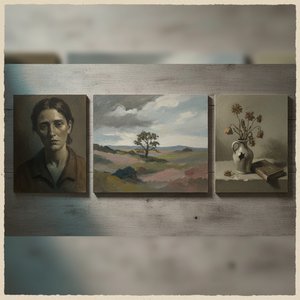
The Subdued Palette: Exploring Emotional Resonance & Aesthetic Impact in Muted Artworks
Explore the power of muted colors in art! Discover the history, psychology & techniques behind serene palettes. Find inspiration & expert advice for creating emotionally resonant spaces with ArtsDot.