 Pregledaj u prostoru
 Pošalji
 Podeli
 Detalji o delu

 Преузми
 Slični predmeti
 Rendgenski snimak
 Slajdovi
 Statistika
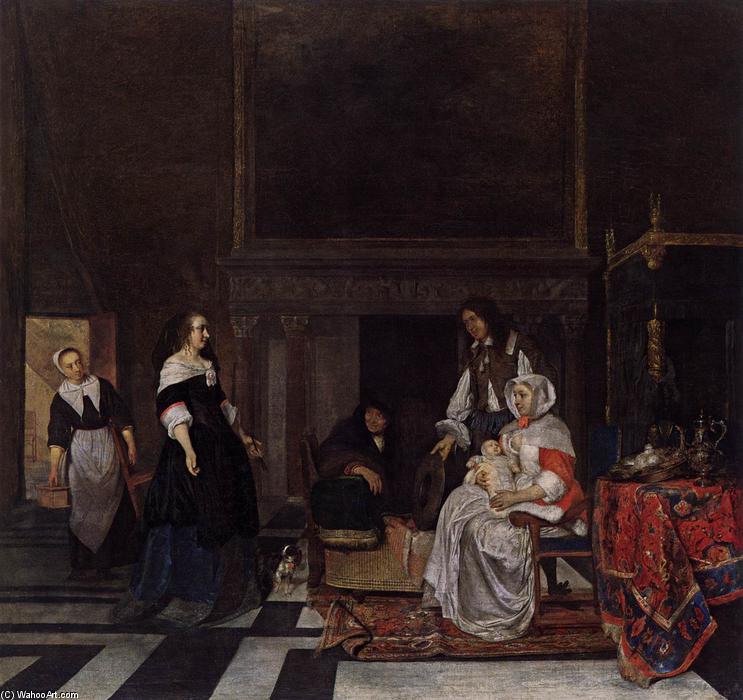
The Visit to the Nursery
 Dutch Golden Age
 1661
1661 78.0 x 81.0 cm
 Metropolitan Museum of Art
 Pročitaj više
Ručno rađena uljana reprodukcija
Ručno oslikano uljanim bojama na platnu u dimenzijama i okviru po vašem izboru, izrađeno po porudžbini od strane naših umetnika. ( Pređi na štampu Pređi na digitalnu sliku)




P118B $10

P118H $10

P118W $10

P438Z $10

P508JH $12

P508YH $12

P805H $10

P805Z $10

P919BZ $10

P919G $10

P919XJ $10

P959ZH $10

P968JZ $12

W106C $8

W218G $10

W218JH $8

W218Y $10

W307PJ $10

W316G $10

W316PJ $8

W316Y $10

W398PJ $8

W4111J $10

W500HY $15

W500JH $15

W692G $12

W849H $8

W940BG $15

W953PJ $8




Izaberite jednu od naših unapred definisanih veličina koje odgovaraju originalnim proporcijama umetničkog dela.

Можете унети сопствене димензије како бисте прилагодили дело одређеном оквиру или простору. Ако одабрана величина не одговара пропорцијама оригинала, слика ће бити исечена или проширена додатним елементима који се ручно насликавају. Дигитални prikaz ће вам бити послат на одобрење пре почетка производње.
Имајте на уму да преглед на екрану не одражава стварно исецање или проширење. Само приказ (mockup) ће тачно приказати коначну композицију.
Иако су доступне прилагођене величине, препоручујемо да одаберете димензију из дефинисане листе како бисте сачували оригиналне пропорције.
Nakon narudžbine, tim ArtsDot.com će klijentu putem e-pošte poslati uputstva i dostaviti prikaz predloženog rešenja
Isporuka širom sveta () za 3/4 nedelje umesto uobičajenih 5 nedelja. (9 септембар). Bez kompromisa po pitanju kvaliteta.

Besplatna ekspresna dostava širom sveta

Visokokvalitetno laneno platno

Kompletno osiguranje transporta

Garancija povraćaja carine i uvoznih dažbina

Garancija vernosti boja

Politika povraćaja u roku od 100 dana (isključivo u slučaju nedostataka)

Garancija povrata novca od 100%

Popust pri grupnoj kupovini
 Opcija sa staklom dostupna je samo za dimenzije manje od 110 cm

The Visit to the Nursery
Tehnika reprodukcije
Dimenzije reprodukcije
-


Konačna cena
$ 263
A Moment of Domestic Tranquility: Exploring Gabriel Metsu’s “The Visit to the Nursery”
Gabriel Metsu's "The Visit to the Nursery," painted in 1661, is more than just a depiction of a post-natal scene; it’s a meticulously crafted tableau of Dutch Golden Age society, brimming with subtle symbolism and an exquisite sense of realism. This intimate portrait captures a pivotal moment – the arrival of a new life – within the carefully constructed world of a wealthy Amsterdam family, offering a rare glimpse into the rituals and social dynamics of the era. The painting’s enduring appeal lies not just in its technical brilliance but also in its ability to evoke a profound sense of warmth, connection, and quiet contemplation.
Metsu, a remarkably eclectic artist known for his avoidance of stylistic consistency, masterfully employs a technique that blends elements reminiscent of both Rembrandt and Gerard Ter Borch. His brushwork is deceptively smooth, creating an illusion of depth and texture – the rich velvet of the upholstered chairs, the delicate folds of the women’s clothing, and the subtle sheen on the fruit displayed on the table are all rendered with astonishing precision. The lighting, diffused and warm, contributes significantly to the painting's serene atmosphere, bathing the scene in a soft glow that emphasizes the familial bonds at its center.
The Setting: A Chamber of Refined Simplicity
The setting itself is a crucial element of the composition. Rather than a grand, ostentatious room, Metsu presents us with an imagined chamber – a carefully constructed space that draws inspiration from the impressive Town Hall council chamber in Amsterdam’s Royal Palace. This deliberate choice elevates the scene beyond a simple domestic portrait; it subtly suggests the family's social standing and their connection to civic life. The presence of the marble fireplace, the seascape above, and the overall sense of spaciousness all contribute to an atmosphere of refined elegance and understated luxury.
The room’s design is not merely decorative; it’s laden with symbolic meaning. The inclusion of a large table laden with fruit – apples, pears, and grapes – represents abundance, fertility, and the promise of new life. The carefully arranged furniture, including several chairs and a dining table, speaks to the family's comfortable lifestyle and their commitment to hospitality. Even the dog, nestled amongst the figures, adds to the scene’s sense of domestic harmony.
Characters and Their Roles: A Dance of Social Protocol
The painting depicts a “kraambezoek,” or cradle visit – a customary ritual in 17th-century Dutch society where well-wishers would pay their respects to a new mother and her child. The figures are rendered with remarkable psychological depth, each conveying a distinct emotion and role within the social drama. The central woman, presumably the mother, is seated on the floor, cradling her infant, radiating an aura of gentle serenity. Around her gather several other women – likely friends or relatives – engaged in conversation, offering gifts and well wishes. Jan Vos (1610–1667), who served as “house poet” to the Hinlopen family, included a poem about the painting in the 1662 edition of his collected works.
The subtle gestures and expressions of the figures – a hand offering a gift, a glance exchanged between two women, a gentle smile directed at the infant – reveal a complex web of social relationships and unspoken expectations. Metsu’s ability to capture these nuances is what elevates “The Visit to the Nursery” beyond a mere representation of a scene; it becomes a poignant meditation on human connection and the rituals that bind us together.
A Legacy of Quiet Observation
Gabriel Metsu's "The Visit to the Nursery" stands as a testament to his remarkable talent for capturing the essence of everyday life in 17th-century Holland. His meticulous attention to detail, combined with his profound understanding of human psychology and social dynamics, has created a painting that continues to resonate with viewers today. It’s a work that invites us to pause, reflect, and appreciate the quiet beauty of domestic tranquility – a timeless reminder of the enduring power of family, connection, and the simple joys of life.
Srodna umetnička dela

Biografija umetnika
**život posvećen umetničkom istraživanju**
Gabrijel Metsu, holandski slikar iz Nizozemske, vodio je život obeležen umetničkim istraživanjem i inovacijama. Rođen 1629. godine, Metsuovo delo je oličilo duh holandskog zlatnog doba, perioda poznatog po svom obilnom umetničkom stvaralaštvu. Ova biografija istražuje život i dela ove enigmatične ličnosti, čiji doprinos svetu umetnosti i danas fascinira posmatrače.**rani život i uticaji**
Metsu je rođen 1629. godine kao sin Žaka Metsua, tapetera i slikara koji je prvobitno dolazio iz Hainauta. Ovakva eklektična pozadina verovatno je uticala na Gabrijelovo rano interesovanje za različite umetničke tehnike. Selidba porodice u Lejden, gde je Metsu odrastao, izložila ga je raznim kulturnim uticajima koji će oblikovati njegov talenat.**umetnička karijera**
Metsuova karijera bila je obeležena odbijanjem prihvatanja samo jednog stila ili tehnike, zbog čega je dobio naziv „veoma eklektični umetnik“. Njegov rad je obuhvatao istorijske slike, mrtvu prirodu, portrete i žanrovske scene. Zanimljivo je da je samo 14 od njegovih 133 dela precizno datirano, što ostavlja mnogo toga neotkrivenog o njegovom kreativnom procesu.- Uticaj Rembranta van Rijna na Metsuovo rano delo očigledan je, naročito u njegovoj upotrebi svetlosti i boje.
- Metsuovo preseljenje u Amsterdam 1655. godine označilo je značajnu promenu u njegovom stilu, sa većim naglaskom na unutrašnje enterijere i žanrovske prizore.
- Njegovo povezivanje sa umetničkom zajednicom odražava se kroz rad sa umetnicima kao što su Mihil van Mušer i Jost van Hel.
**istaknuta dela i nasleđe**
Metsuove slike često su prikazivale mlade žene, trgovačke scene i starce, crpeći inspiraciju iz popularnih simbola tog vremena. Istaknut primer je Prodavnica živine, koja demonstrira njegovu veštinu korišćenja simbolizma. Ključna dela:- Bolesno dete (oko 1664. godine), koje odražava Metsuovo divljenje Vermerovim radovima.
- Portret porodice Hinlopen, remek-delo koje spaja žanrovsko i portretno slikarstvo.
**muzeji i kolekcije**
Metsuova dela mogu se pronaći u različitim muzejima, uključujući Rijksmuseum u Amsterdamu. Za više informacija o njegovoj umetnosti i istraživanje drugih slikara holandskog zlatnog doba, posetite /sr/art/show/art-d3c627-sr/ za sveobuhvatan pregled. Zaključak: Život i umetnost Gabrijela Metsua svedočanstvo su inovativnog duha holandskog zlatnog doba. Njegov eklektični stil, iako ponekad enigmatičan, ostavio je neizbrisiv trag u svetu umetnosti. Dok nastavljamo da otkrivamo više o njegovom životu i delima, podsećani smo na duboki uticaj koji je imao na razvoj zapadne umetnosti.- Za dublje razumevanje holandskog zlatnog doba, pogledajte [https://en.wikipedia.org/wiki/dutch_golden_age_painting](https://en.wikipedia.org/wiki/dutch_golden_age_painting).
- Istražite više Metsuovih dela i dela njegovih savremenika na [https://ArtsDot.com/@/gabriel-metsu](https://ArtsDot.com/@/gabriel-metsu).
**reference:**
- The House of Orange-Nassau Historic Collection Trust (Hag, Holandija), [https://ArtsDot.com/@@/a@d3ccx5](https://AllPaintings_Store.com/@@/a@d3ccx5).
- Van Gogh muzej (Holandija) - utočište ljubitelja umetnosti, [https://ArtsDot.com/@@/a@d3c8x3](https://ArtsDot.com/@@/a@d3c8x3).
- Slikarstvo holandskog zlatnog doba, [https://en.wikipedia.org/wiki/dutch_golden_age_painting](https://en.wikipedia.org/wiki/dutch_golden_age_painting).
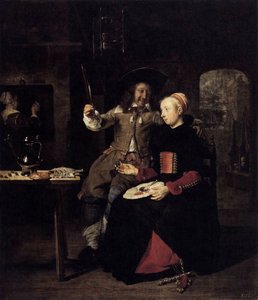
Габријел Мецу
1629 - 1667 , Недерланди
Osnovne informacije
- Artistic Movement Or Style: Zlatno doba holandske umetnosti
- Artists Or Movements Influenced By This Artist:
- Michiel van Musscher
- Joost van Geel
- Artists Who Influenced This Artist:
- Rembrandt van Rijn
- Johannes Vermeer
- Date Of Birth: 1629
- Date Of Death: 1667
- Full Name: Gabriel Metsu
- Nationality: Holanđanin
- Notable Artworks:
- Bolest deteta
- Prodavac živine
- Portret porodice Hinlopen
- Place Of Birth (City And Country): Leiden, Holandija
Povezani članci
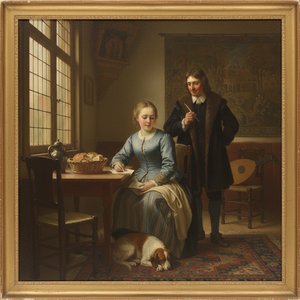
Gabriel Metsu: Illuminating Dutch Daily Life with Exquisite Detail
Explore the captivating world of Gabriel Metsu, a leading Dutch Golden Age painter. Discover his exquisite genre scenes, masterful realism, and insightful social commentary. Learn about key works & his lasting legacy.
Dante Gabriel Rossetti: 25 Remek-dela Pre-Raphaelita i Inspiracija za Vaš Dom
Istražite 25 remek-dela Dante Gabriel Rossettija, ikone Pre-Raphaelita! Otkrijte priče iza slika, simbolizam i inspiraciju za vaš dom. Kvalitetne reprodukcije na ArtsDot.com.

Zlatno doba Holandske umetnosti: Top 10 remek dela za vaš dom
Otkrijte remek dela Holandskog zlatnog doba! Uronite u svet Rembrandta, Vermeera i drugih majstora. 10 ikoničnih slika koje su definisale umetnost. Inspiracija za vaš dom i kolekciju - ekskluzivne reprodukcije na ArtsDot.com!

Illuminating Innovation: Exploring the Dutch Golden Age of Painting
Explore the Dutch Golden Age of painting with ArtsDot. Discover Rembrandt, Vermeer & other Masters. Learn about key characteristics, iconic artworks, and lasting influence. Expert insights for collectors & enthusiasts.

Golden Age Reflections: Dutch Baroque Painting & Cultural Innovation
Explore the Dutch Golden Age of painting! Discover key artists like Vermeer & ter Borch, their innovative techniques, and the rich cultural context behind these Baroque masterpieces. Learn about collecting & appreciating this iconic art period.