 Pregledaj u prostoru
 Pošalji
 Podeli
 Detalji o delu

 Преузми
 Slični predmeti
 Rendgenski snimak
 Slajdovi
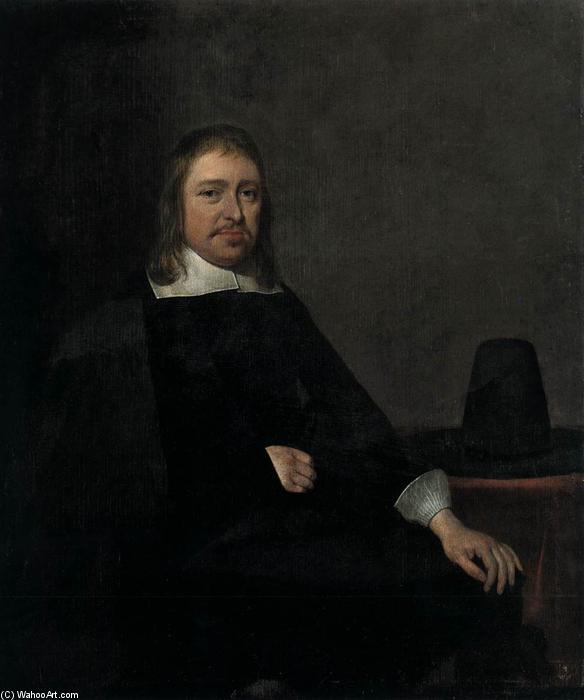
Portrait of a Seated Man


 Pročitaj više
Giclee štampa / Umetnički otisak
Giclée štampa ili print na platnu muzejskog kvaliteta uz brzu proizvodnju i fleksibilne opcije završne obrade. ( Kupi ručno naslikanu sliku Kupi digitalnu sliku)




































Izaberite jednu od naših unapred definisanih veličina koje odgovaraju originalnim proporcijama umetničkog dela.

Možete uneti sopstvene dimenzije kako biste umetničko delo prilagodili specifičnom okviru ili prostoru. Ako odabrani format ne odgovara proporcijama originalne slike, mi ćemo ili iscrtati deo dela ili proširiti sliku pomoću ogledane ivice ili jednobojnog popunjavanja. Digitalni prikaz će vam biti poslat na odobrenje pre početka proizvodnje.
Imajte na umu da pregled na ekranu ne odražava stvarno iscrtavanje ili proširivanje. Samo će prikaz (mockup) precizno pokazati finalnu kompoziciju.
Iako su prilagođene dimenzije dostupne, preporučujemo da odaberete dimenziju sa unapred definisane liste kako biste očuvali originalne proporcije.
Dostava širom sveta () za 2 nedelje umesto uobičajenih 4/5 nedelja. (24 август)

Besplatna ekspresna dostava širom sveta

Visokokvalitetno laneno platno

Kompletno osiguranje transporta

Garancija povraćaja carine i uvoznih dažbina

Garancija vernosti boja

Politika povrata u roku od 60 dana (samo u slučaju nedostataka)

Garancija povrata novca od 100%

Popust pri grupnoj kupovini
 Opcija sa staklom dostupna je samo za dimenzije manje od 110 cm

Portrait of a Seated Man
Giclee štampa / Umetnički otisak
Dimenzije reprodukcije
-


Konačna cena
$ 62
Opis predmeta
A Window Into Dutch Dignity: Examining Gerard ter Borch’s Portrait of a Seated Man
The painting “Portrait of a Seated Man,” attributed to Gerard ter Borch (1617 – 1681), stands as a quintessential example of Dutch Golden Age portraiture—a genre that flourished during the seventeenth century and captured not merely likenesses but also profound psychological insight. More than just an image, it’s a carefully constructed tableau designed to convey status, intellect, and perhaps even a hint of melancholy, reflecting the values prevalent in Dutch society at the time.- Historical Context: Ter Borch's work emerged during a period of immense artistic innovation and economic prosperity within Holland. The Dutch Republic was a maritime powerhouse, fostering trade and intellectual curiosity—a climate that encouraged artists to explore new avenues for portraying human character. Unlike the opulent portraits favored by monarchs elsewhere in Europe, ter Borch’s commissions often focused on merchants, lawyers, and intellectuals, reflecting the burgeoning middle class.
- Style & Technique: Ter Borch distinguished himself from his contemporaries through his masterful manipulation of light and shadow—a technique known as chiaroscuro—which dominates this portrait. He employed oil paint on canvas with painstaking precision, layering thin glazes to achieve remarkable tonal subtlety. The artist’s meticulous attention to detail is evident in every brushstroke, capturing the textures of fabric, skin, and hair with astonishing accuracy.
Composition & Visual Narrative
The portrait's composition is deceptively simple: a solitary figure seated on a bench or chair, facing slightly to the left. This positioning directs the viewer’s gaze directly at the subject, fostering an immediate connection and inviting contemplation. The subtle asymmetry of the arrangement contributes to a sense of realism—a hallmark of ter Borch’s style—suggesting that he wasn't merely aiming for visual perfection but rather striving to depict a believable human presence. The inclusion of a hat beside the man reinforces his social standing, symbolizing authority and respect.Color Palette & Emotional Resonance
The subdued color palette—primarily consisting of dark browns, grays, and blacks—creates an atmosphere of quiet solemnity. However, subtle highlights on the face, collar, and cuffs introduce delicate patches of light, illuminating key features and subtly emphasizing emotion. These carefully calibrated tonal variations underscore ter Borch’s ability to evoke feelings of introspection and dignified restraint. The overall effect is one of understated elegance—a reflection of the psychological depth that characterizes the artist's oeuvre.Symbolism & Psychological Depth
Beyond its technical brilliance, “Portrait of a Seated Man” possesses significant symbolic weight. The man’s gaze directs outwards, conveying confidence and awareness—yet simultaneously hinting at inner contemplation. This duality speaks to the complexities of human experience, aligning with the humanist ideals that underpinned Dutch art during this era. Ter Borch's portraits weren't simply representations of individuals; they were explorations of character and intellect, inviting viewers to consider the sitter’s thoughts and feelings.Conclusion
“Portrait of a Seated Man” remains an enduring testament to Gerard ter Borch’s artistic vision—a masterpiece that transcends mere visual depiction to achieve profound psychological resonance. Its masterful technique, combined with its evocative composition and subtle symbolism, secures its place as one of the most compelling portraits of the Dutch Golden Age.Srodna umetnička dela


Biografija umetnika
**predstavnik holandske žanrovske slike**
Gerard ter Borch, istaknuta figura hollandskog zlatnog doba, ostavio je neizbrisiv trag u svetu umetnosti svojim žanrovskim slikama. Rođen u decembru 1617. godine i preminut 8. decembra 1681. godine, Ter Borhov život bio je svedočanstvo njegove umetničke virtuoznosti.**rani život i uticaji**
Iako njegovi rani životni tragovi nisu detaljno dokumentovani, poznato je da je intenzivno putovao širom Evrope, obuhvatajući London, Nemačku, Francusku, Španiju i Italiju. Ovo bogato iskustvo proširilo je njegove umetničke vidike, oblikujući njegov jedinstveni stil. Njegova sestra, Gesina ter Borch, takođe je sledila umetničku karijeru, čime je dodatno učvrstila porodičnu umetničku predispoziciju.**istaknuta dela i dostignuća**
Njegov opus obeležili su remek-dela poput slike Pismo, koja predstavlja vrhunac njegove veštine u dočaravanju teksture i svetlosti. Delo Galan conversation (Galan conversation), koje je gravirao Johan Georg Vil, savršeno prikazuje umetnikovu sposobnost da prenese najsuptilnije emocije. Rano delo Čovek na konju (1634) svedoči o njegovom tada još uvek otkrivajućem talentu, dok slika Dolazak Adrijana Paua u Minster (1646) predstavlja značajno delo koje ističe njegovu narativnu moć.**muzeji i kolekcije koje čuvaju radove Ter Borcha**
Njegova međunarodna važnost potvrđena je prisustvom njegovih dela u najprestižnijim svetskim galerijama. Ermitaz poseduje jednu od najvećih kolekcija sa čak šest njegovih dela. Berlinski muzej takođe čuva šest komada, slaveći Ter Borhov globalni značaj, dok se tri njegove slike nalaze u cenjenoj kolekciji Getty Centra.**nasleđe i uticaj**
Uticaj koji je Ter Borch ostavio na holandske slikare poput Gabriela Metsua, Gerita Doua, Egloona van der Neera i Tomasa Vermeera dobro je dokumentovan. Njegov inovativni pristup žanrovskoj slici učinio ga je ključnom figurom u istoriji umetnosti.- za više informacija o Ter Borhovom životu i delima, posetite https://ArtsDot.com/@/gerard-ter-borch
- istražite Muzej Boijmans Van Beuningen u Roterdamu, Holandija, koji prikazuje neke od Ter Borhovih savremenika na https://ArtsDot.com/@@/a@d3arrk-museum-boijmans-van-beuningen-rotterdam-netherlands
- saznajte više o holandskom zlatnom dobu i njegovim značajnim umetnicima na https://en.wikipedia.org/wiki/dutch_golden_age
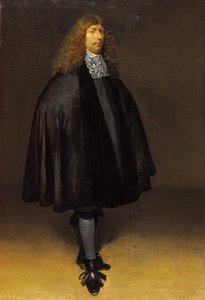
Gerard Ter Borch
1617 - 1681 , Holandija
Osnovne informacije
- Artistic Movement Or Style: Žanrovsko slikarstvo
- Artists Or Movements Influenced By This Artist: ['Diego Velázquez']
- Artists Who Influenced This Artist:
- Gabriel Metsu
- Gerrit Dou
- Eglon van der Neer
- Johannes Vermeer
- Date Of Birth: decembar 1617.
- Date Of Death: 8. decembra 1681.
- Full Name: Gerard ter Borch
- Nationality: Holandski
- Notable Artworks:
- Pismo
- Galan konverzacija
- Čovek na konju
- Dolazak Adrijana Paua u Minster
- Place Of Birth: Zvole, Holandija
Povezani članci

Rembrandt van Rijn: 25 Majstorstava Svetla i Senke za Vaš Dom | ArtsDot
Uronite u svet Rembrandta van Rijna! Otkrijte 25 najlepših dela holandskog majstora – portrete, istorijske scene i biblijska platna. Kvalitetne reprodukcije slika za dekoraciju enterijera dostupne na ArtsDot.com.

Dutch Baroque Masters: 10 Paintings That Shaped an Era | ArtsDot
Journey through the Golden Age with our guide to the Top 10 Dutch Baroque masterpieces! Explore iconic paintings by Rembrandt, Vermeer & Frans Hals. Find museum-quality art reproductions and elevate your home decor at ArtsDot.com.

Golden Age Reflections: Dutch Baroque Painting & Cultural Innovation
Explore the Dutch Golden Age of painting! Discover key artists like Vermeer & ter Borch, their innovative techniques, and the rich cultural context behind these Baroque masterpieces. Learn about collecting & appreciating this iconic art period.
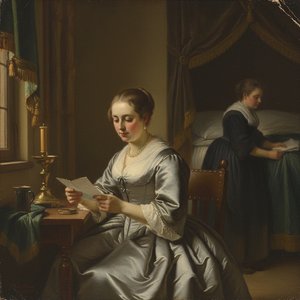
Gerard ter Borch: Intimacy & Light in the Dutch Golden Age
Explore the captivating world of Gerard ter Borch, a master of Dutch Golden Age genre painting. Discover his intimate scenes, masterful light, and lasting influence on art history. Learn more at ArtsDot.

Zlatno doba Holandske umetnosti: Top 10 remek dela za vaš dom
Otkrijte remek dela Holandskog zlatnog doba! Uronite u svet Rembrandta, Vermeera i drugih majstora. 10 ikoničnih slika koje su definisale umetnost. Inspiracija za vaš dom i kolekciju - ekskluzivne reprodukcije na ArtsDot.com!