

 Pregledaj u prostoru
 Pošalji
 Podeli
 Detalji o delu

 Преузми
 Slični predmeti
 Rendgenski snimak
 Slajdovi
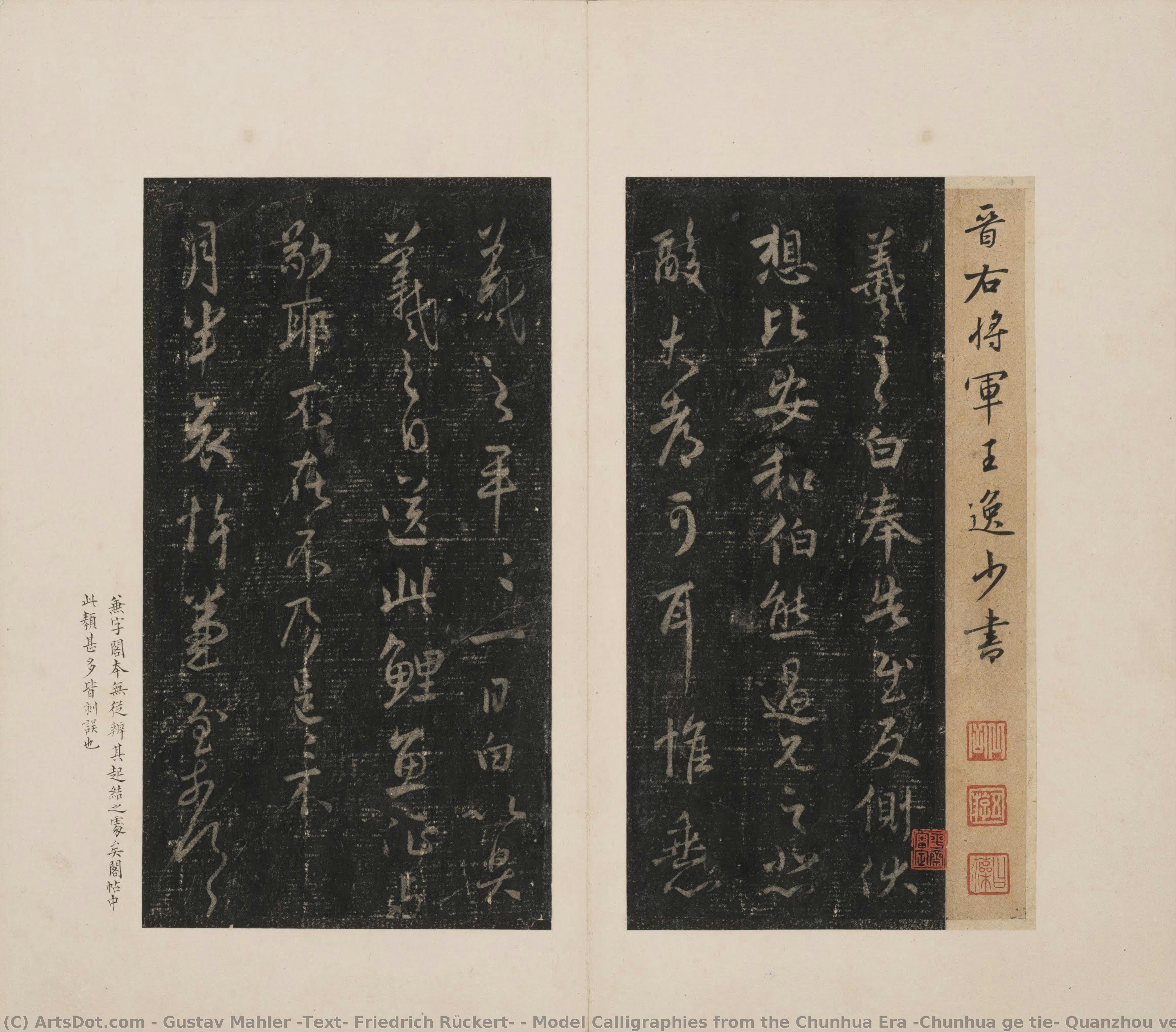
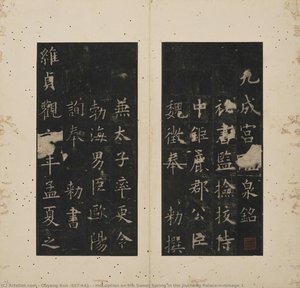
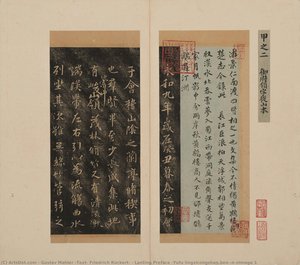
Model Calligraphies from the Chunhua Era (Chunhua ge tie) Quanzhou version, part of juan 6-8\n\nImage 1
 Traditional Chinese Art
 1100
1100 25.0 x 13.0 cm
 Pročitaj više
Ručno rađena uljana reprodukcija
Ručno oslikano uljanim bojama na platnu u dimenzijama i okviru po vašem izboru, izrađeno po porudžbini od strane naših umetnika. ( Kupi print Kupi digitalnu sliku)




































Izaberite jednu od naših unapred definisanih veličina koje odgovaraju originalnim proporcijama umetničkog dela.

Можете унети сопствене димензије како бисте прилагодили дело одређеном оквиру или простору. Ако одабрана величина не одговара пропорцијама оригинала, слика ће бити исечена или проширена додатним елементима који се ручно насликавају. Дигитални prikaz ће вам бити послат на одобрење пре почетка производње.
Имајте на уму да преглед на екрану не одражава стварно исецање или проширење. Само приказ (mockup) ће тачно приказати коначну композицију.
Иако су доступне прилагођене величине, препоручујемо да одаберете димензију из дефинисане листе како бисте сачували оригиналне пропорције.
Nakon narudžbine, tim ArtsDot.com će klijentu putem e-pošte poslati uputstva i dostaviti prikaz predloženog rešenja
Isporuka širom sveta () za 3/4 nedelje umesto uobičajenih 5 nedelja. (1 септембар). Bez kompromisa po pitanju kvaliteta.

Besplatna ekspresna dostava širom sveta

Visokokvalitetno laneno platno

Kompletno osiguranje transporta

Garancija povraćaja carine i uvoznih dažbina

Garancija vernosti boja

Politika povrata u roku od 60 dana (samo u slučaju nedostataka)

Garancija povrata novca od 100%

Popust pri grupnoj kupovini
 Opcija sa staklom dostupna je samo za dimenzije manje od 110 cm

Model Calligraphies from the Chunhua Era (Chunhua ge tie) Quanzhou version, part of juan 6-8\n\nImage 1
Tehnika reprodukcije
Dimenzije reprodukcije
-


Konačna cena
$ 263
Srodna umetnička dela
Biografija umetnika
Gustav Mahler: A Titan of Late Romantic Expression
Gustav Mahler (1860-1911) stands as one of the most influential composers of the late Romantic era, a figure whose music continues to resonate with audiences worldwide. Born in Kalisz, Austria—now Poznań, Poland—into a family of modest means rooted in Bohemian Jewish tradition, Mahler’s early life instilled within him an enduring sense of displacement and exile, shaping his artistic vision profoundly. From the outset, he possessed exceptional musical talent, nurtured by his father's encouragement and honed through rigorous study at Vienna Conservatory where he forged friendships with luminaries like Arnold Schoenberg—a connection that would prove pivotal in shaping the trajectory of 20th-century music.- Early Influences & Musical Development: Mahler’s formative years were marked by exposure to diverse musical traditions, including folk melodies and operatic grandeur. His fascination with Wagnerian drama fueled his ambition to explore grand orchestral narratives, while simultaneously cultivating a sensitivity for the subtleties of vocal expression—a duality that would characterize his compositional style throughout his career.
- The Wunderhorn Cycle & Symphonic Breakthroughs: Mahler’s breakthrough came with his masterful adaptation of Achim von Arnim and Clemens Brentano's *Des Knaben Wunderhorn*, a collection of German folk poems imbued with mythic grandeur and psychological depth. This project solidified Mahler’s stylistic signature—a fusion of orchestral power and lyrical introspection—and established him as a leading voice in the burgeoning symphonic movement. His Second Symphony, premiered in 1895, exemplifies this approach, blending dramatic intensity with moments of exquisite beauty.
Musical Style & Philosophical Vision
Mahler’s musical style is instantly recognizable for its monumental scale and emotional complexity. Unlike many composers of his time who favored formal conventions, Mahler championed a bold aesthetic that prioritized expressive nuance over rigid adherence to tradition. His symphonies—particularly Nos. 5, 6 and 8—are characterized by their sprawling structures, incorporating choral passages alongside instrumental solos, creating immersive sonic landscapes that convey profound psychological states. He deliberately eschewed the prevailing pessimism of his era, instead articulating a belief in the enduring power of human spirit—a conviction reflected in the thematic core of his Eighth Symphony, which premiered to rapturous acclaim in 1910.- The Influence of Rückert Poetry: Mahler’s artistic inspiration stemmed largely from the poetry of Friedrich Rückert, whose melancholic verses explored themes of loss, longing and existential contemplation. The Rückert-Lieder cycle—a series of five songs based on Rückert's poems—represents a cornerstone of Mahler’s oeuvre, demonstrating his ability to transform poetic imagery into musical form with unparalleled sensitivity.
- Formal Innovation & Orchestral Mastery: Mahler pushed the boundaries of orchestral technique, experimenting with innovative instrumentation and harmonic progressions that anticipated developments in modernist music. His masterful orchestration—marked by a distinctive blend of tonal color and rhythmic dynamism—continues to inspire composers today.
Legacy & Recognition
Despite initial resistance from critics and audiences alike, Mahler’s music gained widespread acclaim posthumously, securing his place as one of the most frequently performed and recorded composers of the 20th century. His symphonies—particularly Nos. 5, 6 and 8—remain staples of orchestral repertoire, captivating listeners with their emotional depth and intellectual rigor. Furthermore, Mahler’s influence extends beyond the concert hall, inspiring artists across disciplines—literature, film and visual arts—who recognize in his music a profound articulation of human experience. The Gustav Mahler Society continues to champion his legacy, ensuring that his groundbreaking contributions to musical history are remembered for generations to come.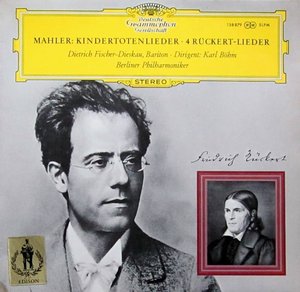
gustav mahler (text: friedrich rückert)
1860 - 1911 , Austria
Osnovne informacije
- Artistic Movement Or Style: Late Romantic
- Artists Who Influenced This Artist:
- Arnold Schoenberg
- Ludwig van Beethoven
- Date Of Birth: July 7, 1860
- Date Of Death: May 18, 1911
- Full Name: Gustav Mahler
- Nationality: Austrian
- Notable Artworks:
- Symphony No. 5
- Kindertotenlieder
- Des Knaben Wunderhorn
- Place Of Birth: Kalisz, Austria
Povezani članci
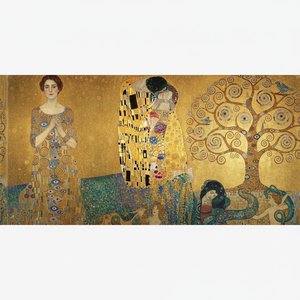
Gustav Klimt: 25 Remek-Dela Koje Očaravaju Svet – Reprodukcije za Vaš Dom
Uronite u svet Gustava Klimta! Otkrijte 25 remek-dela bečkog secesiona, od 'Poljupca' do portreta Adele Bloch-Bauer. Reprodukcije slika vrhunskog kvaliteta za luksuzni enterijer – inspiracija i dekoracija na ArtsDot.com.

Xie Zhiliu: A Legacy of Ink Wash Painting & Modern Chinese Literati Tradition
Explore the legacy of Xie Zhiliu, a master of Chinese ink wash painting & prominent figure in modern art. Discover his techniques, influences, and contributions to literati tradition. A guide for discerning collectors.

Art Nouveau: 10 Remek Dela Koja Su Definisala Pokret - Elegancija Za Vaš Dom
Otkrijte 10 remek dela Art Nouveau pokreta! Uronite u svet Alfonsa Muche, Gustava Klimta i drugih genijalaca. Istorija umetnosti, inspiracija za dekoraciju doma i reprodukcije vrhunskog kvaliteta na ArtsDot.com. Istražite celu kolekciju online!

Gustave Loiseau: Capturing the Ephemeral Light of French Landscapes
Explore the captivating landscapes of Gustave Loiseau, a key Post-Impressionist painter. Discover his unique 'en treillis' technique and artistic legacy with our comprehensive guide.

Pu Xinyu's 'Puru': A Legacy of Literati Painting & Emotional Resonance
Explore the captivating world of Pu Xinyu (Puru), the last great literati painter. Discover his imperial heritage, masterful ink wash techniques & enduring legacy – a valuable addition to any discerning art collection.

